
Are Your Non Woven Bags Wearing Out Too Soon?
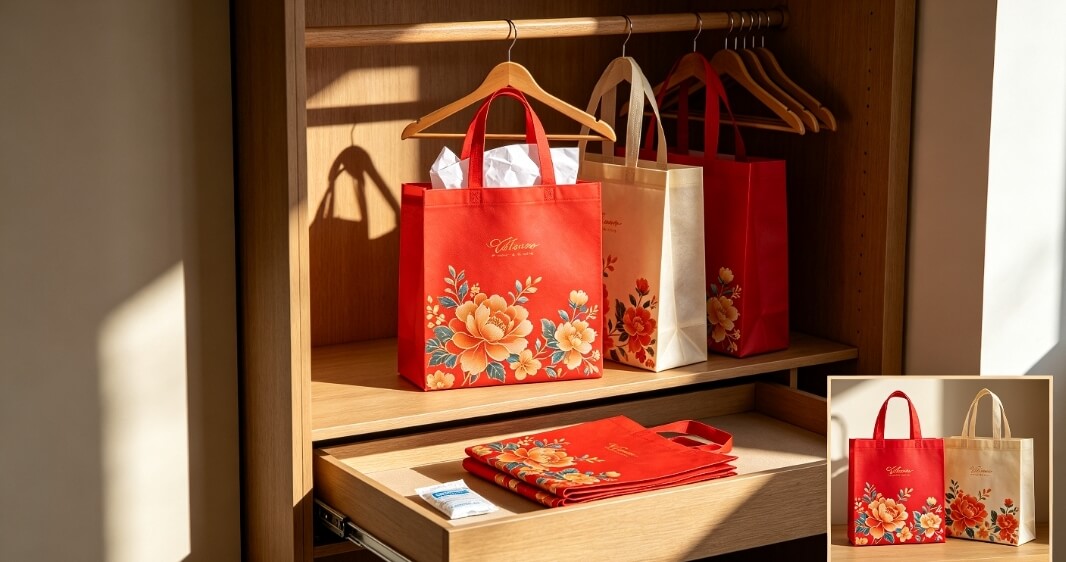
The non woven bags you buy for a few pounds at the checkout—or the free non woven fabric bag you pick up at a trade show—often start falling apart after just a few uses. The bottom comes loose, the handles stretch out, and a bag that once carried groceries starts to smell.
You might think the bag is simply poor quality. In many cases, though, non woven bags are being used and maintained incorrectly.
A 2011 life-cycle assessment by the UK Environment Agency highlighted an important point: a polypropylene non-woven bag needs to be reused at least 11 times before its carbon footprint per use falls below that of a single-use HDPE plastic bag. If it is used only once and thrown away, its energy consumption can be 17.8 times higher, while its carbon emissions can be 16.7 times higher.
In other words, the environmental value and lifespan of non woven bags depend heavily on how you use and care for them. Throwing everything into the same non woven fabric bag is one of the fastest ways to wear it out.
Here are four of the most common use cases and how to look after them properly.
🥬 Non Woven Bags for Groceries: Food Safety Comes First
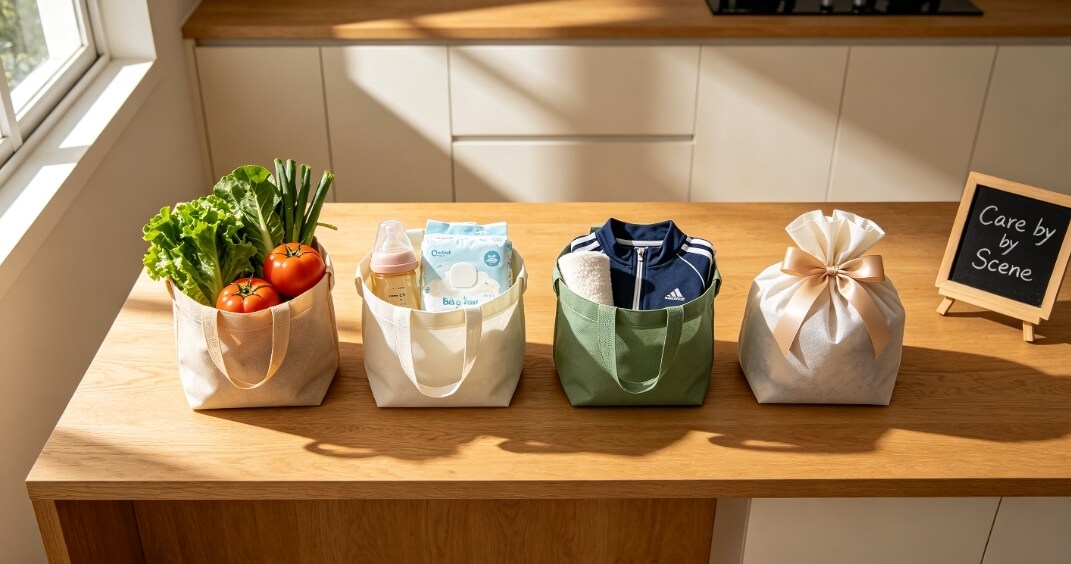
A non woven fabric bag that has carried raw meat should never go straight back to carrying fruit and vegetables without proper cleaning. Cross-contamination is one of the most overlooked risks when using non-woven bags for food.
Everyday care
- Keep raw meat, poultry and seafood separate. For extra protection, use a disposable clear produce bag inside the reusable bag.
- Once a week, wipe the bag with mild soapy water or diluted neutral detergent, paying particular attention to the bottom and folded corners.
- Let the bag dry completely before storing it. Never fold and put it away while it is still damp.
- If liquid leaks onto the bottom, empty the bag immediately, rinse it and air-dry it in the shade. Discard it if stubborn stains remain.
What to look for when buying
For a non woven fabric bag that will come into direct contact with food, look for materials that comply with GB 4806.7-2023 or have food-contact materials certified under FDA 21 CFR 177.1520 or EU Regulation (EU) No 10/2011.
Polypropylene itself is generally odourless and non-toxic, but low-quality bags may contain unwanted additives such as plasticisers or optical brighteners. Some inexpensive non-woven bags have also been found with excessive levels of plasticisers. Hot food above 80°C may also cause polypropylene to soften and potentially release trace volatile organic compounds.
⚠️ If a bag has previously carried non-food products such as cleaning products or personal-care items, wash and completely dry it before using it for food again.
👶 Baby Bags: Check the Certification, Not the Colour
When a non woven fabric bag is used for baby bottles, baby food or nappies, the main concerns are potentially harmful substances in poor-quality dyes and the effects of high temperatures on polypropylene.
Everyday care
- Prioritise products with GB/T 38082-2019 certification or a clearly labelled food-grade inner lining.
- For bags that directly hold baby food, choose a design with a pure-cotton inner layer or food-grade PE coating.
- Hand-wash, air-dry in the shade and avoid prolonged direct sunlight. Do not use the bag for food above 80°C.
- If a brightly coloured bag has a strong chemical smell, air it out for 48 hours before giving it to a child.
- Replace the bag immediately if the stitching around the handles starts coming loose or the fibres begin to shed.
How to wash without losing the shape
An 80–100 GSM non woven fabric bag is suitable for everyday, lightweight use, while bags above 120 GSM are better suited to frequent washing.
Soak the entire bag in warm water below 40°C and gently press it clean. Do not scrub printed areas, wring the bag or twist it. Lay it flat and air-dry in the shade.
🏃 Sports Bags: Sweat Odour Comes from Organic Residue
Stuff sweaty clothes and damp towels into a non woven fabric bag, leave it overnight, and that familiar smell can quickly appear.
For localised odours, wipe the affected area with a baking soda solution made from 1 cup of water and 1 teaspoon of baking soda. An activated-charcoal pouch or a small amount of dry coffee grounds left overnight can also help absorb lingering smells.
Everyday care
- After every use, open the bag and leave it somewhere well ventilated, with the opening facing down. Don't put it straight into a wardrobe.
- For sweat odour: wipe with baking soda solution → air-dry in the shade → place an activated-charcoal pouch inside.
- Avoid prolonged direct sunlight. UV exposure can accelerate the ageing and brittleness of polypropylene fibres and fade printed designs.
- Don't spray perfume or fragrance over the smell. That only masks it rather than removing the source.
- Laminated non woven fabric bag styles should not be machine-washed or soaked. Wipe them with a damp cloth and use activated charcoal to absorb odours.
- Replace the bag if you see mould, the handle stitching starts to come apart, or the fibres become brittle enough to tear easily.
🎁 Gift Bags: Protect the Shape During Storage
Gift bags aren't used every day, but when you need one, you want it to come out looking crisp, clean and presentable. For this type of non woven fabric bag, the biggest enemies are creases, sunlight and heavy pressure.
Everyday care
- For long-term storage, loosely roll the bag or fold it along its original creases. Avoid creating sharp new folds.
- Hanging it on a clothes hanger is ideal. Flat storage is the next-best option.
- Keep it away from direct sunlight. UV exposure can noticeably fade a colourful logo within a few months.
- Add silica-gel desiccant to help prevent moisture and mould.
- Don't put heavy items on top of it or store it with sharp objects.
The three rules for protecting printed designs
Don't scrub: Turn the printed side inward when washing to reduce direct friction.
Don't sun-dry: UV light is one of the biggest causes of print fading.
Don't use alcohol: Alcohol can cause some types of printed designs to peel or come off.
Different printing methods also have very different levels of durability. Screen printing uses thicker ink with strong adhesion, making it suitable for shopping bags that see frequent use. Heat transfer printing offers excellent colour reproduction and works well for premium gift bags with complex designs. Digital printing is flexible, but because the ink penetration is relatively shallow, repeated washing over time can cause slight fading.
If the print has already started cracking, you may be able to touch it up with fabric paint in a matching colour.
When to Upgrade from Non Woven Bags
Standard PP non-woven bags typically last around 2–5 years. Everyday 80–100 GSM bags can generally handle around 80–100 uses, while 120 GSM and heavier versions can last longer.
But polypropylene is still a plastic material. It can take around 20 years to break down in the natural environment, and it doesn't have the long-term, heirloom-like durability of canvas.
How to choose
- Grocery shopping, trade shows and short-term promotions → non woven bags are usually enough. Keep maintenance simple and use them frequently.
- Daily heavy loads above 10 kg, outdoor sports and long-term branded gifting → consider upgrading to polyester (PET) non-woven bags or canvas.
- Polyester non-woven material typically offers around 2–3 times the tear resistance and ageing resistance of standard PP, making it more suitable for frequent long-term use.
FAQ
Q1: Can I keep non woven bags in my car boot for emergencies?
It's not recommended. Temperatures inside a car boot can rise significantly during warm weather. For polypropylene non woven bags, heat can accelerate fibre ageing, while a warm, poorly ventilated environment can also encourage bacterial growth—especially in bags previously used for fresh food.
The better approach is to keep only bags you're about to use in the car and store them at home in a cool, dry place afterwards.
If you really need to keep a non woven fabric bag in the car, a laminated version offers better water resistance and slightly better hygiene properties. Even then, bring it home once a month for thorough airing and drying.
Q2: My non woven fabric bag became misshapen after carrying food straight from the pan. Can it be fixed?
Polypropylene softens at elevated temperatures, so exposure to food above around 80°C can cause the material to soften and deform. Once the material has physically deformed, it generally won't return completely to its original shape.
Don't try to iron it, even on a low setting. The heat could melt the fibres.
Instead, wait until the bag has cooled completely, then fill it with newspaper or clean fabric to restore its original shape. Lay it flat and allow it to dry and set in the shade. If the handles have become crooked, gently straighten them and hold them in position with a light weight for around 24 hours.
The best solution is prevention: let very hot food cool before putting it into the bag, or use an insulated inner bag as a barrier. That's also why baby and grocery bags shouldn't be used for food above 80°C.
Q3: I have more than a dozen bags for different purposes. How can I rotate them to make them last longer?
The basic idea is simple: give each bag time to dry and recover between uses.
- Assign each bag to a specific purpose. Grocery bags shouldn't carry sports clothes, and gift bags shouldn't be used for fresh food.
- Create two groups—in use and spare—with 2–3 bags in each group. Rotate them so that no single bag is constantly under stress.
- Have a monthly inspection day. Check the handle attachments, stitching and bottom folds, and fix small problems early.
- Store spare bags only when they are completely dry. Keep them away from direct sunlight and loosely stored rather than compressed inside an airtight plastic bag.
With this system, a set of three grocery bags can potentially last as long as five bags that are used heavily without rotation.
Combined with the 11-use reuse threshold, that's where the real environmental value of non woven bags comes from: not simply owning a reusable bag, but actually using it often and looking after it properly.
Are Fabric Shopping Bags Really Better for Every Trip?
Can an easy clean lunch bag Go in the Washing Machine?
Related Article


