
What not to stuff into a small gym tote
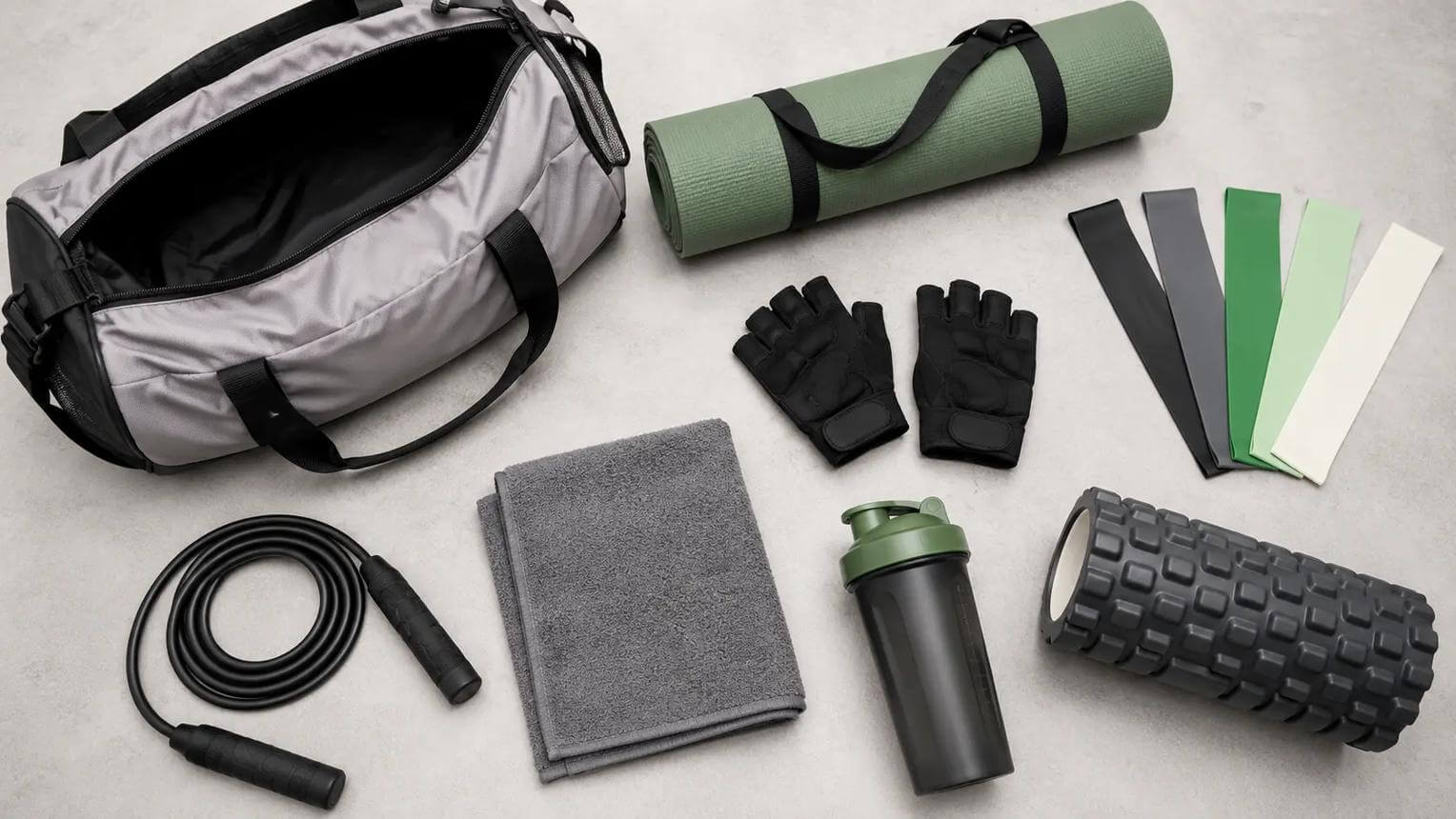
After work, you’re rushing to catch the subway, yoga mat in hand. You stuff your change of clothes, water bottle, and yoga accessories into your new, compact crossbody gym bag.
The zipper still closes, so everything seems fine. But after just a couple of subway stops, the single shoulder strap starts digging into your shoulder. When you finally open the bag at the studio, hard items have already left visible bulges in the lining, and the side seams are beginning to stretch under the pressure.
In product photos online, a gym tote or crossbody gym bag often looks sleek and practical. These bags seem perfect for commuting, heading straight to a yoga class, or fitting in a light cardio session. Many people use them instead of larger gym bags, sometimes even trying to squeeze in training shoes and a foam roller.
It’s only when the strap starts pulling, the bag loses its shape, and one shoulder begins to ache that they realize the problem: small bags have their limits. Being able to zip a bag shut doesn't mean you've packed it properly.
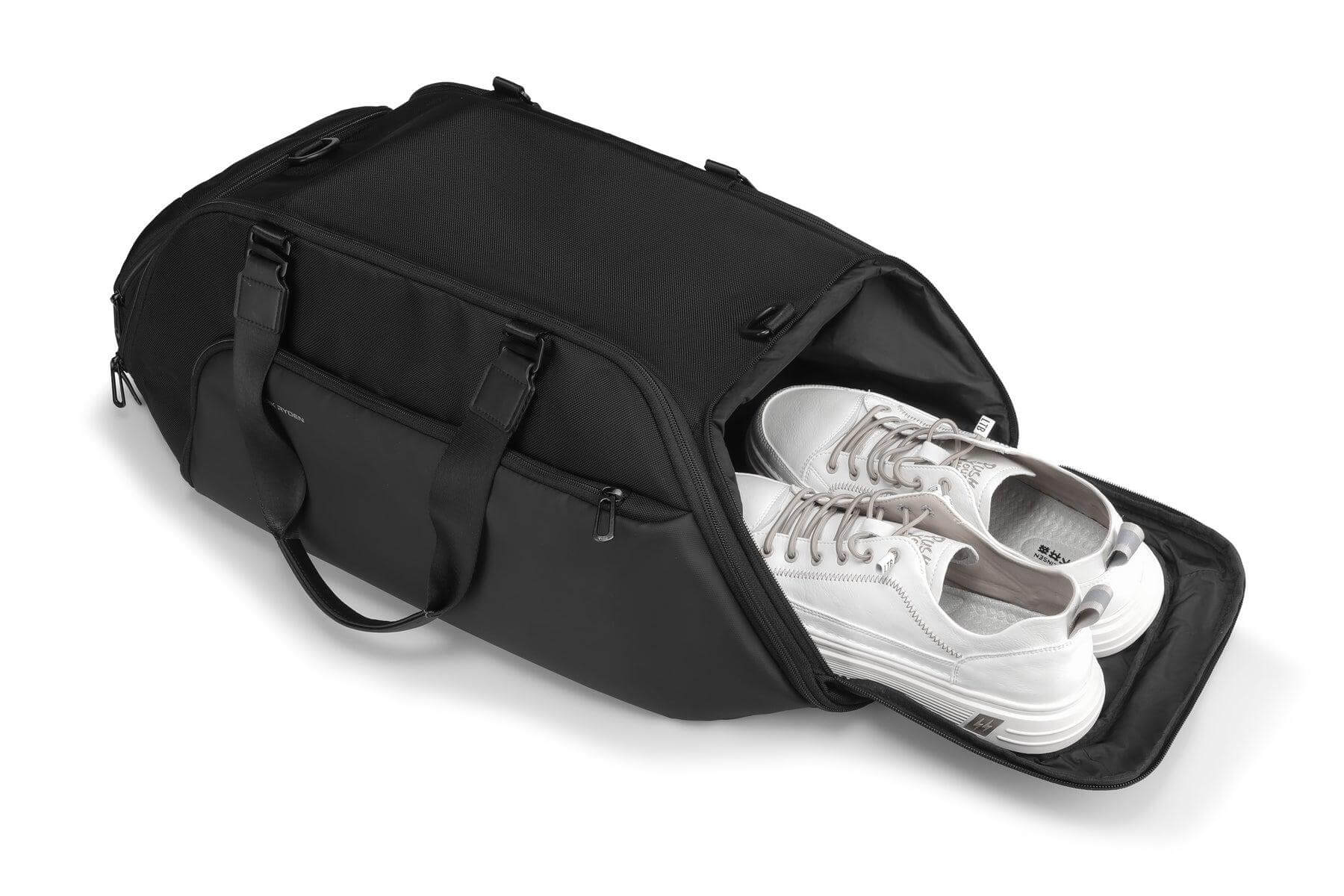
That's why many people start considering gym bags with shoe compartment designs. These bags feature a separate shoe compartment that keeps bulky, dirty footwear away from the main storage area while reducing pressure on the main compartment.
However, even these bags have their limitations. Some products advertise a shoe compartment that turns out to be much smaller than expected. Men's larger training shoes may not fit, forcing users to squeeze them into the main compartment. The result? A misshapen bag and an uneven weight distribution.
What Not to Pack in a Small Crossbody Gym Bag or Mini Gym Tote
Here, we're talking specifically about compact bags designed for yoga and light cardio, not large-capacity commuter-style gym tote bags. They're easy to identify: the bag itself is lightweight, the base has little or no reinforcement, there's only one shoulder strap, and the stitching at key stress points is relatively light.
1. Large Training Shoes and Weightlifting Shoes
Training shoes with thick soles tend to be bulky and rigid. Even if you manage to squeeze them inside, their hard structure puts constant pressure on the fabric. Over time, the lining may start to pill, while the bag's exterior can become permanently misshapen.
If you regularly carry training shoes, choose a bag with a dedicated shoe compartment rather than forcing them into a smaller bag.
2. Large Foam Rollers and Full Sets of Long Resistance Bands
A full-size foam roller can take up almost the entire length of a small bag. When resistance bands are packed together, their weight becomes concentrated in one area.
While carrying the bag, hard equipment can press uncomfortably against your waist and torso. As the bag moves with each step, the constant pulling also puts extra stress on the shoulder strap attachment points.
Many buyers report that when small bags are repeatedly subjected to concentrated loads, loose threads and weakened stitching can appear much sooner than expected.
3. Large Protein Powder Tubs and Oversized Shaker Bottles
You can certainly carry a water bottle, but it's best to avoid oversized, heavy options.
Small bags rarely have wide, well-padded shoulder straps. When a heavy item is concentrated in one spot, its movement creates repeated pulling forces. This can put more strain on the bag than carrying a similar total weight distributed evenly.
4. Multiple Thick Sweatshirts and Oversized Bath Towels
Bulky fabrics take up a surprising amount of space. Once packed, they push the bag outward and make it expand sideways.
When worn crossbody, the extra bulk can pull the entire bag away from your body, causing you to lean slightly to one side without realizing it. This may cause short-term soreness and, over time, place additional strain on your posture.
None of these items are inherently unsuitable for gym use. The problem is that their size and weight exceed what a compact crossbody gym bag or mini gym tote is designed to carry.
How to Pack a gym tote Without Overloading It
You don't have to replace your current bag just because you need to carry one or two bulky items. There are several simple, budget-friendly ways to make your existing setup work better, without buying expensive accessories.
- Shoes: Use a basic drawstring shoe bag and carry it separately by hand. Keep your small bag for lightweight essentials such as your phone, keys, and a thin towel.
- Bulky accessories: Carry your yoga mat by hand using a dedicated mat strap instead of trying to squeeze it into your bag. Put thick sweatshirts and large towels in a lightweight drawstring bag and carry them separately to free up space.
- Downsize your equipment: Switch to a mini shaker bottle and compact, foldable yoga accessories instead of carrying their full-size versions.
Choosing between a gym tote and other gym bags
- Small crossbody gym bag: Best for yoga, Pilates, short light-cardio sessions, and quick subway commutes. It's convenient for keeping essentials within easy reach, but isn't designed to carry a full set of strength-training equipment.
- Small gym tote: Better suited to short trips when carried by hand. If you plan to wear it crossbody for extended periods, check whether the manufacturer has reinforced the strap attachment points. Avoid adding an aftermarket shoulder strap yourself. The original stitching on a hand-carry tote is designed to handle downward pulling forces. Wearing it crossbody changes the direction of the load, making the seams more likely to fail.
- Gym bags with shoe compartment: A good option if you regularly carry training shoes for strength training or general fitness. Don't rely on product photos alone when shopping. Check the actual internal length and width of the shoe compartment. Some products have compartments that are little more than decorative features and cannot accommodate standard men's running shoes.
Final Thoughts
The biggest advantages of a gym tote and crossbody gym bag are their lightweight design and convenience for less demanding workouts.
To determine whether you've overloaded your bag, don't just check whether the zipper closes. Look at two things:
-
Pick up the bag. Does one side visibly sag under the weight?
-
Put it on. Does the shoulder strap dig excessively into your shoulder?
If either happens, you're likely carrying more than the bag is designed to handle.
Whether you should upgrade to gym bags with shoe compartment depends largely on how often you carry training shoes. There's no one-size-fits-all answer.
Some people keep two bags and switch between them depending on the workout. Others continue using their small bag and simply carry bulky equipment separately. Both approaches work.
When developing gym bags, many brands overlook practical details such as reinforced stitching, actual shoe compartment dimensions, and how shoulder straps handle weight during everyday use. The result is a bag that looks great but isn't structurally designed for the realities of commuting to and from the gym.
With years of experience in custom gym bag development and manufacturing, XINHUI Bag Factory incorporates real-world user feedback into its product sampling and development process.
For every crossbody gym bag, the factory pays particular attention to the tensile strength of shoulder strap attachment points. For gym tote designs, it distinguishes between hand-carry models and crossbody versions, applying the appropriate reinforcement techniques to each.
When developing gym bags with shoe compartment, the team tests different shoe sizes to determine the actual usable dimensions of the shoe compartment, helping prevent misleading size claims.
The factory holds standard certifications for the luggage and bag manufacturing industry and supports custom development based on customer samples or design drawings. Small-batch prototyping is also available.
If you're a brand looking to develop gym bags that genuinely meet the needs of people who commute and work out, contact XINHUI Bag Factory for samples and product development advice.
FAQ
Q1: For gym bags with shoe compartment, which design does a better job of preventing odors from spreading: a breathable mesh compartment or a fully enclosed zippered compartment?
A: Neither design is universally better.
Mesh compartments offer better airflow, but odors from damp shoes can spread into the main compartment.
Fully enclosed zippered compartments help contain odors, but moisture from wet shoes can build up inside.
In practice, regardless of which type you choose, always remove damp training shoes and let them air-dry after your workout. Avoid leaving wet shoes sealed inside your bag for extended periods.
Q2: Why do some gym totes collapse after being packed, while others can stand upright on a locker room floor, even though their advertised dimensions are similar?
A: The difference usually comes down to the base construction.
Some gym tote designs have no rigid base insert and rely entirely on the fabric to maintain their shape. Others feature a thin base panel that helps the bag stand upright when packed.
This detail isn't always highlighted in product descriptions, so checking customer photos of the bag standing on the floor can help you tell the difference.
Q3: My crossbody gym bag keeps sliding down even after I've shortened the shoulder strap as much as possible. How can I fix this without damaging the bag?
A: Avoid punching holes in the bag or making permanent modifications.
One simple solution is to use an adjustable, removable anti-slip shoulder pad between the strap and your clothing.
You can also rearrange the contents so heavier items sit closer to your body. This helps reduce the pulling force that causes the bag to sag.
Avoid tying knots in the webbing to shorten the strap, as this can damage its fibers and weaken the material over time.
Why Does Your waterproof dry bag Get Wet Inside?
Related Article


