
Why Does Your waterproof dry bag Get Wet Inside?
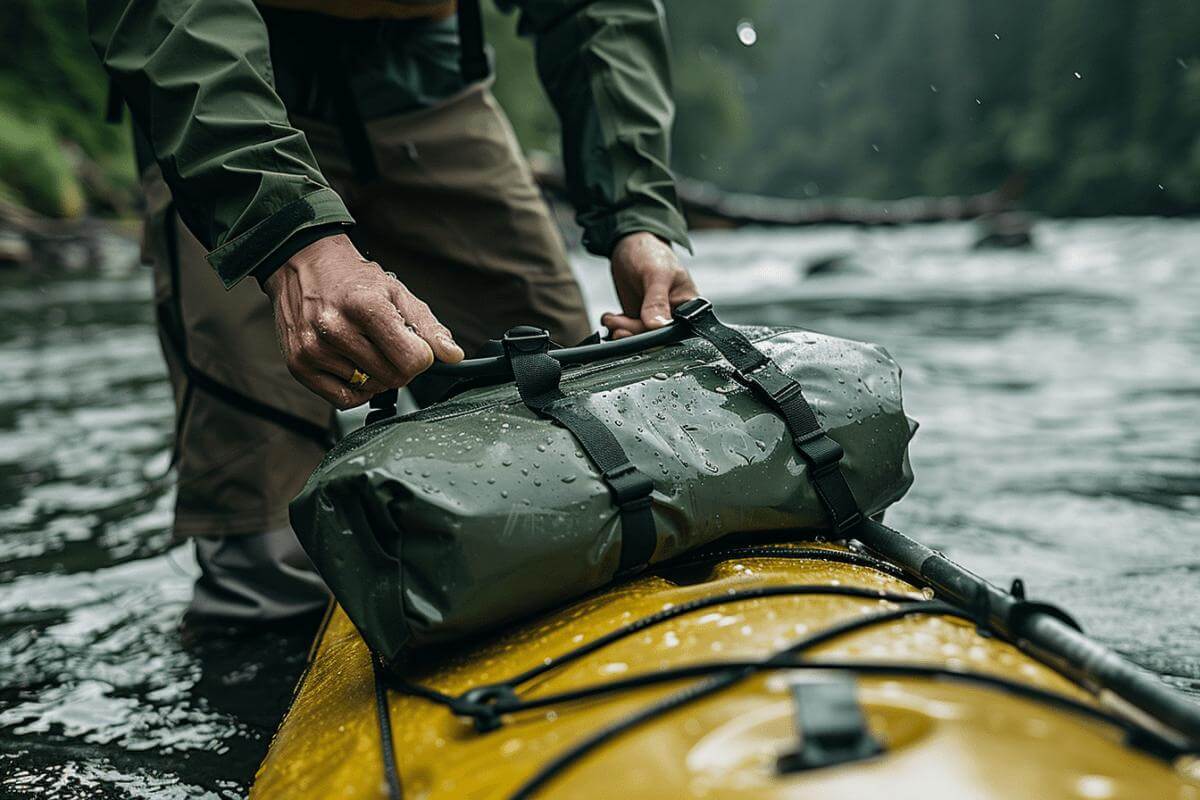
After a weekend of camping by the sea, I packed a full change of clothes and a sleeping bag into my new waterproof dry bag. I submerged the entire bag in shallow water for more than ten minutes. When I pulled it out, water was dripping off the outside. But when I opened it, the clothes inside felt slightly damp.
The bag wasn't damaged, and there were no visible signs of water leaking through the seams. Yet the contents were still damp. Quite a few friends who use water resistant bags and waterproof storage bags have experienced exactly the same thing. Many people immediately assume the bag is poor quality and return it.
There's an often-overlooked issue with certain materials here. The bag isn't necessarily leaking. The moisture may actually be caused by condensation forming inside.
Most online articles focus on comparing material specifications, but rarely discuss the side effects that can show up during everyday use. Even when two products are both labeled TPU, they can feel very different in terms of flexibility, smell, and resistance to aging. Some manufacturers also market ordinary PU-coated fabric as TPU-laminated material, using confusing labels that make it difficult for everyday buyers to tell the difference. Without professional testing equipment, consumers have to rely on a few simple physical checks.
How to Choose a Quality Waterproof Dry Bag
When you receive a waterproof dry bag, try repeatedly bending the corners and edges of the material by hand. Genuine TPU-laminated fabric should not develop obvious white stress marks after bending. Products made with PU coatings disguised as TPU, however, may develop whitish marks around repeatedly folded areas. Over time, the coating can also peel away.
Smell can offer another initial clue. Some bags made with PVC-based materials have a strong plastic odor caused by plasticizers. TPU products generally have a milder smell, while certain batches of RPET recycled fabric may carry an odor associated with recycled materials. Smell is only a reference point, though, and cannot be used on its own to determine whether a product is defective or non-compliant.
Water resistant bags are designed to handle brief splashes, not full submersion. Many commuters take these bags to water-based activities and only discover the difference after their belongings get wet. That's when they realize that water resistance and complete waterproof protection are not the same thing.
For fabric hydrostatic pressure ratings, the ISO 811 test standard is a useful reference. A rating of 3,000–5,000 mm water column is generally sufficient for everyday commuting. For products intended to withstand submersion, a rating of 10,000 mm water column or higher is more appropriate. This measurement indicates how much water pressure the fabric can withstand.
Choose waterproof storage bags for Your Environment
When shopping for waterproof storage bags, don't just look at the material itself. Think about where and how you'll actually use the bag.
Coastal Environments
If you frequently visit the beach, salt spray can accelerate material aging and cracking. After repeated exposure to saltwater followed by drying, the surface of PVC material may gradually become sticky.
TPU generally offers better resistance to salt spray than PVC. Hypalon provides even better resistance to salt spray and UV exposure, although it also comes with a higher purchasing cost.
Cold Weather and Winter Use
For outdoor activities in northern regions during winter, low temperatures can make some PVC bags stiff and brittle. Areas around roll-top closures and folds are particularly vulnerable to cracking.
For cold-weather use, TPU dry bags are generally the better choice because of their improved low-temperature flexibility.
Compliance and Environmental Standards
Many waterproof storage products manufactured for international markets need to comply with the EU REACH regulations and California Proposition 65 requirements in the United States. These regulations address substances such as phthalates and heavy metals.
Ordinary consumers cannot conduct laboratory tests themselves, but they can ask manufacturers for third-party laboratory reports to verify material compliance.
It's also worth understanding what RPET actually means. RPET fabric uses recycled plastic bottles as its base material, but it still needs an additional waterproof coating to provide water protection. The quality of that coating directly affects the bag's waterproof lifespan. Using recycled base fabric does not automatically mean better performance.
How to Repair water resistant bags and Dry Bags
If you plan to repair a damaged bag at home, make sure the repair materials are compatible with the original fabric.
For example, you should not use a standard PVC patch directly on a TPU dry bag. The two materials have poor bonding compatibility. The patch may stick initially but can come loose after just a few rounds of bending.
RPET fabric is even more difficult to repair. Small punctures can sometimes be patched, but if a tear exceeds 2 cm, it becomes difficult to maintain the original sealing performance after repair. In such cases, replacing the bag is usually the better option.
The fabric determines the material's basic performance limits, but the finished product also depends on seam welding and closure construction. Even high-quality fabric can leak if the welding parameters are incorrect.
In other words, don't judge a bag by its material label alone. You need to consider the intended application, construction quality, and manufacturing process together.
Following these guidelines can help you avoid many of the common problems on the market. However, material aging is also affected by storage conditions and how frequently the bag is used. Even a properly manufactured product will gradually lose performance over time.
Choosing a Reliable waterproof dry bag Manufacturer
For many people developing their own brands or selling products internationally, understanding materials and manufacturing processes is only part of the challenge. Finding a factory that can consistently implement material selection, compliance requirements, and production standards is often much harder.
A sample may look perfect, but problems can appear during mass production. These include unauthorized material substitutions, leaking welded seams, and materials that fail to meet REACH or California Proposition 65 requirements.
XINHUI, a factory specializing in custom waterproof bags and dry bags, addresses these material and manufacturing issues throughout its production process.
Incoming materials are checked against third-party testing reports to distinguish genuine TPU-laminated fabrics from ordinary PU-coated materials and prevent lower-grade substitutions.
For different base materials, including PVC, TPU, and RPET, the factory adjusts its radio-frequency (RF) welding and heat-sealing parameters to meet the production requirements of different product categories, including waterproof dry bag, water resistant bags, and waterproof storage bags.
Material selection can also be tailored to specific applications:
-
Beach and coastal use: Materials with enhanced salt spray and UV resistance.
-
Cold-weather applications: Low-temperature-resistant TPU materials.
-
Eco-conscious product lines: Compliant RPET fabrics.
Whether you're ordering a small prototype batch or placing a large production order, the factory can also provide compliance testing documentation for the corresponding material batches.
If you're developing dry bags, water-resistant bags, or other waterproof storage products, you can share your intended application and requirements to discuss whether the materials and manufacturing capabilities are suitable for your project.
Even if you don't end up working together, you can still request basic material selection advice to help guide your product development.
FAQ
Q1: What should I do before using a new dry bag for the first time?
A: First, open the new bag and leave it in a cool, well-ventilated area for 24–48 hours to allow any residual odor to dissipate. Avoid placing it in direct sunlight.
Next, perform a simple airtightness check:
-
Close the bag securely.
-
Inflate it slightly with air.
-
Spray soapy water around the seams.
-
Check for bubbles, which may indicate an air leak.
Once the bag passes this basic check, you can start using it to store valuables.
Q2: How can I prevent condensation when storing a sleeping bag in waterproof storage bags?
A: Make sure the sleeping bag is completely dry and has cooled to room temperature before packing it. Avoid overfilling the bag, as this can restrict the space available inside.
If possible, open the bag every few days to let it air out and release any moisture that has accumulated inside.
Q3: Can yellowing in transparent waterproof bags be completely prevented?
A: Unfortunately, no. Yellowing cannot be prevented entirely.
Transparent TPU generally takes longer to yellow than transparent PVC. Keeping the bag away from direct sunlight can slow down the aging process, but with long-term use, the material will still gradually develop a cloudy or yellowish appearance.
Wine Pack Buying Tips That Prevent Costly Packaging Mistakes
Related Article


