
Why Do Canvas Zipper Bags Fail? Avoid These Common Mistakes
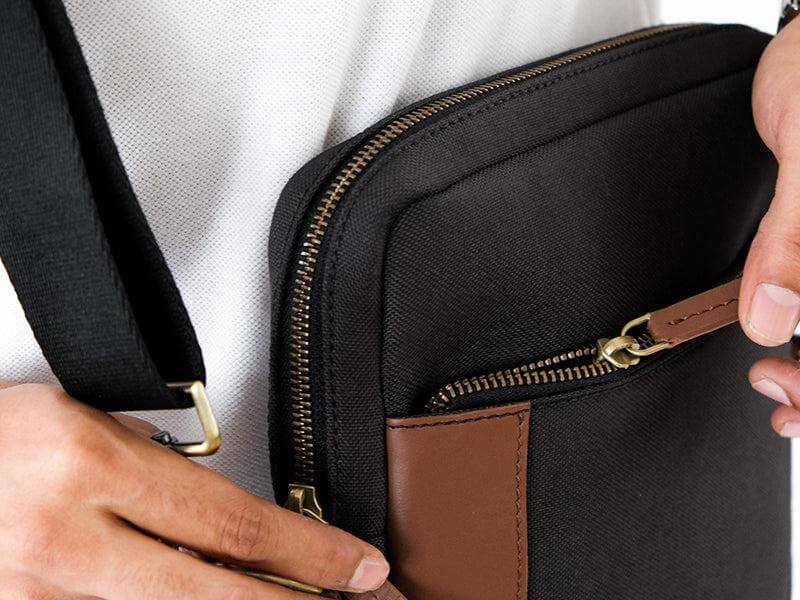
Have you ever experienced something like this? You're squeezing onto a crowded subway with your laptop and water bottle inside your canvas zipper bags. Everything seems fine until the zipper suddenly splits open. Or you're out and about with a canvas crossbody bag with zipper. There's been no impact or accidental drop, yet the zipper gradually slides open on its own, leaving your belongings exposed. Even your recently purchased tote canvas bag with zipper looks perfectly fine, but the zipper keeps acting up.
Your first reaction is probably to blame poor hardware or manufacturing quality. But based on common repair cases involving canvas bags, many zipper problems actually come from a combination of the fabric's natural characteristics and everyday usage habits.
Canvas behaves differently from leather. Leather has limited flexibility, while canvas tends to stretch outward under pressure from heavy items. This creates lateral tension that transfers directly to the entire zipper track. A tote canvas bag with zipper typically has a wide opening. When you overfill it, the outward pulling force puts continuous pressure on the zipper teeth. Many people assume a zipper that splits open must be defective, overlooking the constant strain caused by overloading the bag.
The same issue affects a canvas crossbody bag with zipper, especially when it's carried throughout the day. Walking creates repeated movement and vibration, which can gradually widen the internal gap of a non-locking zipper slider. Even without dropping or bumping the bag, the zipper may slowly work itself open. This problem is particularly common with canvas crossbody styles and less frequently seen with leather crossbody bags.
Washing is another common cause of zipper problems. Most cotton canvas fabrics naturally shrink, but zipper tapes and canvas don't necessarily shrink at the same rate. When you put canvas zipper bags in the washing machine and let them air-dry, the zipper tape may become wavy or twisted, making the zipper difficult to pull. This isn't necessarily a manufacturing defect. It's often the result of uneven shrinkage between two different materials, which creates tension and wrinkles.
Light-colored canvas bags can also develop another problem: color transfer. When dark zipper tapes rub against the fabric during washing, dye may bleed onto the canvas, leaving uneven stains. This usually happens when the zipper tape's colorfastness isn't compatible with the canvas material.
How to Fix Common Zipper Problems at Home
Some minor zipper issues can be handled at home using everyday household tools. You don't need professional equipment.
1. Zipper Splits Open After Closing
If the zipper closes but the teeth separate in the middle, start by removing everything from the bag. Don't continue carrying heavy items while the zipper is damaged.
If the zipper slider is only slightly loose, place a layer of masking tape over the jaws of a pair of pliers to protect the metal. Gently squeeze both sides of the slider in small increments. Test the zipper after each adjustment.
Avoid applying too much pressure at once, as this can crush or permanently damage the slider housing.
If several consecutive zipper teeth are bent or missing, home repairs are unlikely to work. It's better to have a tailor replace the entire zipper.
2. Zipper Keeps Sliding Open While Walking
Check whether the zipper slider has a locking mechanism.
If it doesn't, there's no reliable way to completely prevent the zipper from sliding open due to repeated movement and vibration. The best approach is to avoid overfilling the bag and reduce the constant tension on the zipper.
3. Zipper Tape Becomes Wavy After Washing
Once the zipper tape has twisted or warped, it's difficult to restore its original shape.
For future washes, take a few precautions:
-
Fully close the zipper before washing.
-
Hand-wash with cold water whenever possible.
-
Avoid high-temperature tumble drying.
-
Lay the bag flat to air-dry naturally.
These steps help minimize deformation caused by differences in shrinkage between the canvas and zipper tape.
4. Zipper Feels Stiff or Gets Stuck
A little lubrication can make a big difference.
Beeswax or an ordinary white candle is a good option. Apply a thin layer along the zipper teeth, move the slider back and forth several times, and wipe away any excess wax.
Avoid using cooking oil or hand cream. Although they may make the zipper feel smoother temporarily, their oily residue attracts dust and dirt. Over time, buildup can make the zipper stick even more. Oil can also leave stains on canvas that are difficult to remove.
For canvas bags with metal zipper teeth, make sure the gaps between the teeth are completely dry after washing. Storing the bag while moisture remains can accelerate corrosion of the metal plating.
When to Replace Zippers on Canvas Zipper Bags
Not every zipper problem can be fixed at home. Some types of damage require professional repair.
Look out for these signs:
-
The zipper tape has torn away from the canvas stitching.
-
Large sections of zipper teeth are bent, broken, or missing.
-
The zipper slider housing is cracked or permanently deformed.
If you notice any of these problems, don't force the zipper or continue using the bag. Doing so can make the damage worse. Take it to a local tailor or bag repair specialist instead.
How to Extend the Life of Canvas Zipper Bags
Taking care of a zipper doesn't require a complicated routine. A few simple habits can significantly extend its service life.
-
Use a soft, dry brush periodically to remove sand, lint, and dust trapped between the zipper teeth.
-
If your bag gets sandy outdoors, clean the zipper area locally instead of soaking the entire bag.
-
Stay within the bag's recommended load capacity. Don't force the zipper closed when the bag is overfilled.
-
Take precautions before washing to minimize fabric shrinkage and zipper deformation.
These small steps can prevent many common zipper problems before they happen.
The same zipper hardware may perform reliably on a leather bag but develop repeated issues on a canvas one. That's because canvas creates different operating conditions, including lateral tension, shrinkage during washing, and repeated movement during daily commutes. These factors can expose weaknesses in the zipper hardware.
With proper everyday care, you can avoid many unnecessary repairs. However, the quality of the bag's hardware and construction still matters when choosing a new bag.
What Brands Should Consider When Developing Canvas Zipper Bags
Many zipper problems that appear after purchase actually start during product development. If the zipper specifications, zipper tape colorfastness, and stitching reinforcement aren't selected with canvas characteristics in mind, problems are likely to show up once consumers start using the bags.
Brands developing canvas bags need to consider fabric tension and shrinkage risks from the beginning. Proper material and hardware matching can help prevent common end-user complaints, including zipper separation, unexpected opening, and color transfer.
XINHUI Bag Factory specializes in the development and manufacturing of canvas bags, including canvas zipper bags, tote bags, and canvas crossbody styles.
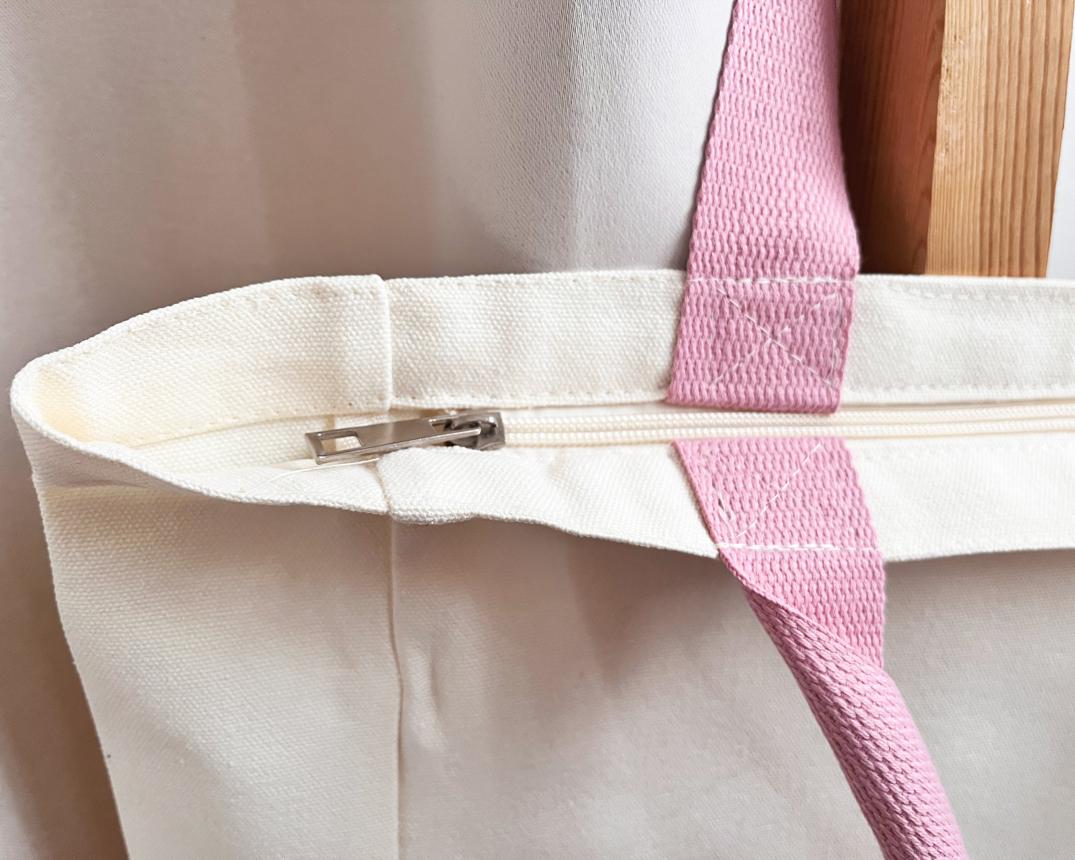
When developing a tote canvas bag with zipper, XINHUI selects zipper specifications based on the canvas fabric's weight and thickness. For wide-opening tote designs, additional stitching reinforcement is applied at both ends of the zipper to improve durability.
The factory also conducts colorfastness and washing shrinkage tests on zipper tapes to reduce common after-sales issues such as dye transfer and wavy zipper tape.
XINHUI can also support sample development and prototyping, including pre-wash testing of the canvas and zipper together. This helps verify how the complete material combination performs before mass production, reducing the risk of zipper-related complaints after delivery.
If you're developing a canvas bag collection, you can contact XINHUI Bag Factory for material and zipper matching recommendations, product development advice, and sample-making support.
FAQ
Q1: If I replace the main zipper on a heavy-duty canvas tote with a larger zipper, can I fill the bag with as much weight as I want?
A: A larger zipper can improve resistance to pulling forces, but it cannot eliminate the lateral tension created by the canvas itself. The stitching around the zipper may actually fail before the zipper does. If the bag is overloaded, the canvas around the zipper ends can still tear, even when the zipper remains intact. Regardless of zipper size, always stay within the bag's recommended weight capacity.
Q2: Should I leave my canvas bag zipper open or fully closed when storing the bag?
A: For long-term storage, keeping the zipper partially closed is generally the best option. Leaving it fully closed for extended periods can keep the zipper tape under constant tension, making it more susceptible to deformation when temperature and humidity change. Leaving it completely open, on the other hand, exposes the zipper teeth to dust and debris that can become trapped between them.
Q3: Are canvas bags with nylon coil zippers more likely to develop zipper problems in cold winter weather?
A: Cold temperatures don't directly damage nylon zipper teeth. However, dust and tiny particles trapped between the teeth can become harder in cold conditions, increasing friction and wear when you pull the slider. After using your bag outdoors in winter, give the zipper teeth a quick brush before storing it. This helps remove debris and reduce unnecessary wear.
Boggs Bag Drawbacks That Might Make You Think Twice
Related Article


