
Choose a Smarter men bag with These Practical Tips
Many shoppers browse dozens of bag for men listings before placing an order, only to discover problems when the product arrives. A bag may look spacious enough in photos, but the shoulder strap turns out to be too short, leaving it awkwardly wedged under the arm. Or the bag itself may be so heavy that your shoulders start aching after a short time. The market for man bags for men offers plenty of options, from affordable everyday styles to premium designer men bag collections. Yet most product descriptions focus on appearance while overlooking practical details such as empty bag weight and the adjustable range of the shoulder strap.
Types of men bag for everyday use
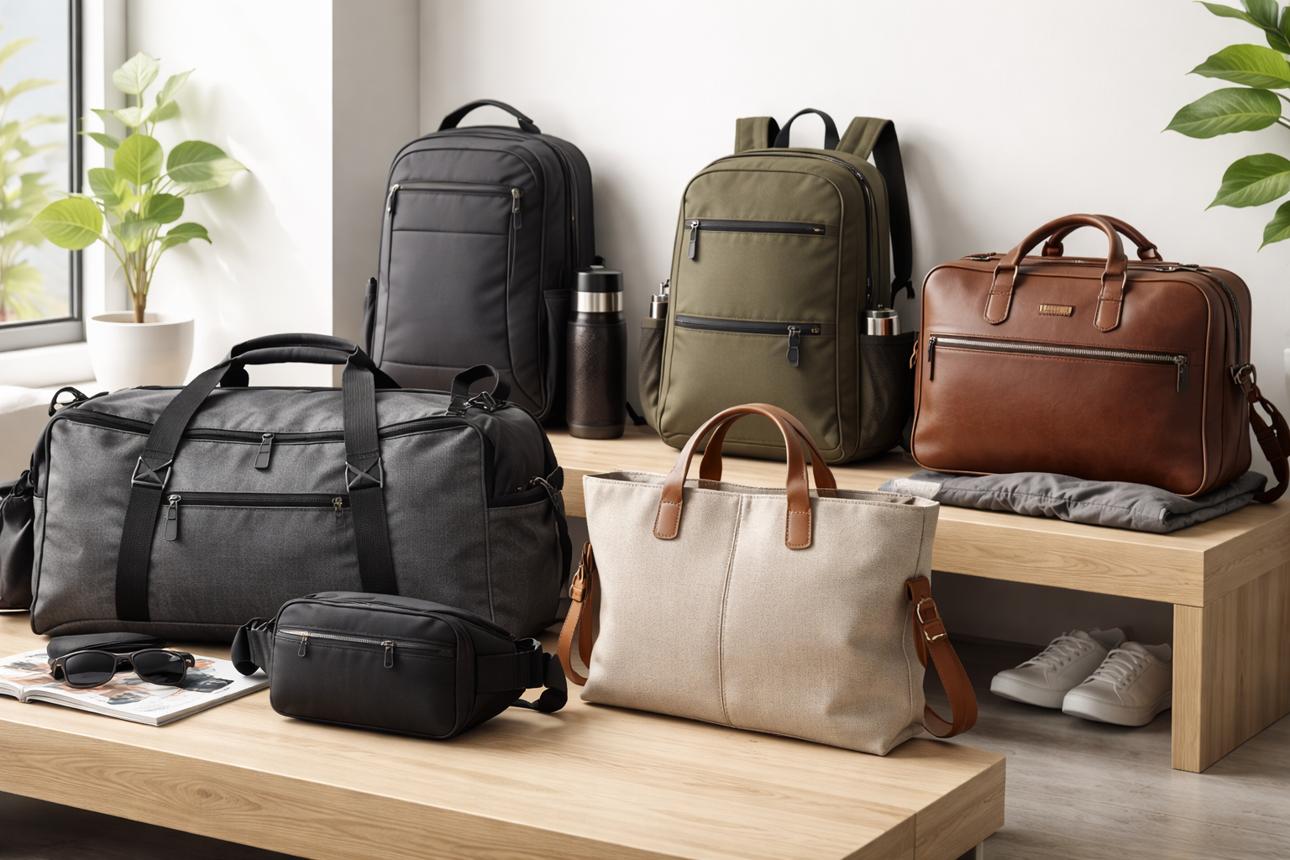
Men's bags come in a wide variety of styles. The main categories include backpacks, messenger bags, crossbody bags, briefcases, tote bags, duffel bags, belt bags, and camera bags.
-
Backpacks: Ideal for distributing weight evenly and carrying laptops and multiple items.
-
Messenger bags: Suitable for both commuting and casual outings.
-
Crossbody bags: Lightweight and compact, designed for everyday essentials.
-
Briefcases: Best suited to formal business settings.
-
Tote bags: Offer easy access to belongings.
-
Duffel bags: Practical for short trips lasting two to three days.
-
Belt bags: A convenient option for traveling light.
-
Camera bags: Designed to protect photography equipment.
No single bag style is inherently better than another. The right choice depends on what you carry every day and where you plan to use it.
Don't judge a bag for men by its price
Many shoppers assume that a higher price automatically means a better user experience. While some designer men bag styles feature quality materials and craftsmanship, they can also be relatively heavy when empty. Such bags may work well when carried by hand for short periods, but prolonged carrying can put noticeably more strain on your body.
When shopping for a bag for men, don't focus exclusively on the price tag or brand logo. Practical specifications matter just as much as appearance.
Check the weight and strap length of your men bag
When shopping in person, pick up the bag while it is empty to get a feel for its weight. As a general guideline, aim for a single-shoulder commuter bag weighing no more than 0.6 kg when empty. For an everyday commuter backpack, try to stay below 1.2 kg.
When buying online, check the product specifications first and confirm the adjustable strap length. Shorter users should pay particular attention to the minimum strap length to avoid a bag sitting awkwardly high against the chest.
Understand fabric certifications before buying a bag for men
For recycled polyester, a GRS (Global Recycled Standard) certification indicates that recycled materials and their supply chains have undergone verification. OEKO-TEX Standard 100 indicates that textiles and their components have been tested for harmful substances, including dyes and metal hardware coatings.
Neither certification is universally mandatory, but both can help you assess material safety and make a more informed purchasing decision.
Canvas vs. Leather for a men bag
Uncoated canvas absorbs water when exposed to rain, allowing moisture to seep through and potentially damage the contents of your bag. Natural, undyed leather can also develop water stains after prolonged exposure to rain, so additional protection may be necessary in wet weather.
Both materials have their advantages and limitations. Neither is universally superior; the best choice depends on your environment and intended use.
Switch carrying methods to reduce wear
For the same bag design, carrying it by hand concentrates stress around the handle attachment and stitching. Wearing it over the shoulder or across the body shifts much of that stress to the shoulder strap and its connection points.
Using only one carrying method over a long period can accelerate localized wear. Alternating between carrying methods helps distribute the load across different attachment points and may extend the bag's service life.
Choose the right capacity for your men bag
Start by listing the items you carry most often.
If you only need space for a phone, keys, and cards, a capacity of 3–8 liters should be sufficient. If you carry a 14–16-inch laptop every day, check that the internal laptop compartment matches your device's dimensions. It should also include protective padding on the inside rather than relying solely on the overall size of the bag.
Match your bag for men to your style
Before buying a bag, think about the clothes you wear most frequently.
A soft, oversized sports bag may look out of place with a formal suit, while a rigid briefcase can feel too formal with casual workwear. You don't need one bag for every situation. Prioritize the settings in which you use a bag most often, then choose a style that complements your everyday wardrobe.
Balance quality and brand premiums
You can divide your budget into two main components: material and craftsmanship costs, and the premium associated with the brand.
At comparable levels of craftsmanship, luxury bags often allocate more of their price to design and brand operations. However, the mid-range market also offers men's bags with reliable stitching and hardware.
A luxury label doesn't have to be the only option. When evaluating a designer men bag, consider whether the design, materials, and overall experience justify the additional cost for your needs.
A practical checklist for choosing man bags for men
Before making a purchase, check these key details:
-
Empty bag weight
-
Adjustable shoulder strap range
-
Internal compartments and laptop protection
-
Fabric properties and care requirements
-
Material certifications, where applicable
-
Compatibility with your everyday wardrobe and activities
These practical checks can help you avoid many common purchasing mistakes. Whether spending more on a luxury bag makes sense ultimately depends on how often you'll use it and your personal style preferences. There is no single answer that works for everyone.
Designer men bag development at XINHUI
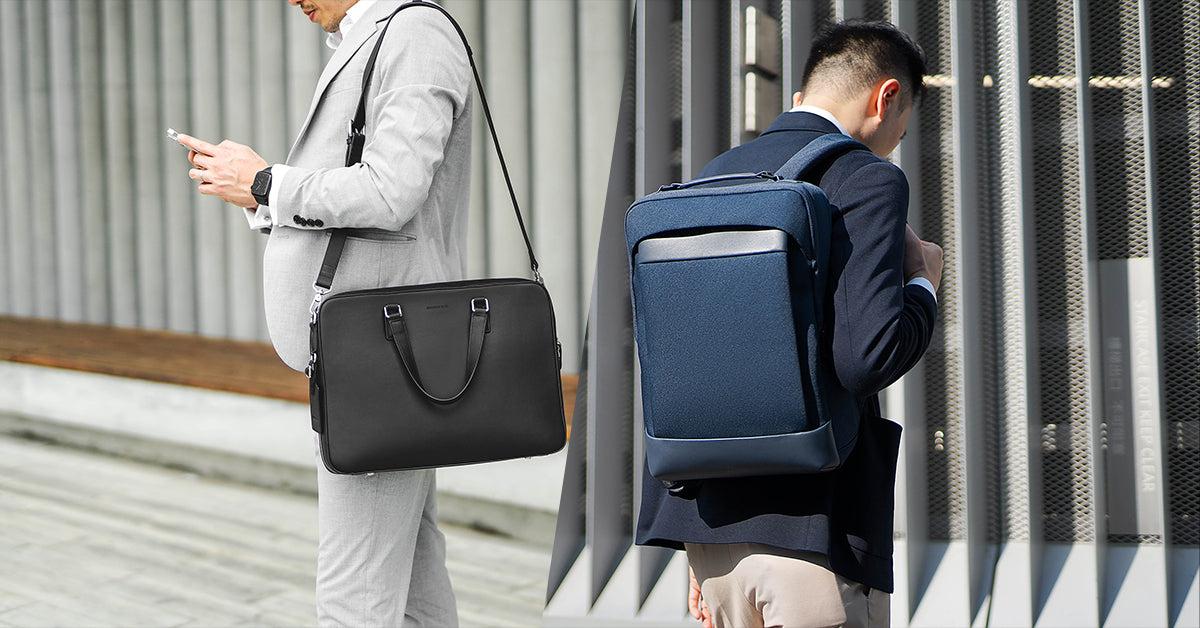
Many brands and retailers selling men's accessories want to turn practical buying criteria into real product features, but finding a manufacturing partner capable of delivering those details can be challenging. Some factories focus primarily on reproducing a bag's appearance while overlooking factors that directly affect the user experience, such as empty bag weight, strap length adjustments, and material certification verification.
XINHUI specializes in custom men's bag manufacturing and private-label production. The factory brings practical insights from everyday consumer needs into the product development process.
For materials, XINHUI can help connect clients with suppliers offering materials that meet GRS and OEKO-TEX Standard 100 requirements. During sampling, the team can also review details that are easy to overlook, including empty bag weight, shoulder strap adjustment ranges, and reinforcement at high-stress stitching points.
Whether you're developing a minimalist product line inspired by the understated look of a designer men bag or creating affordable, highly functional men bag and bag for men collections, XINHUI can provide suitable material and pattern-development solutions.
If you're planning to launch a men's bag collection, you can request samples and manufacturing specifications to assess whether the available options align with your product positioning.
FAQ
Q1. Will wider shoulder straps always prevent shoulder pain?
No. Wider straps are only one factor in reducing pressure. Padding thickness and how closely the bag sits against your back also affect comfort. A wider strap with insufficient padding can still cause shoulder discomfort during prolonged use.
Q2. Does the shade of leather affect the durability of a men's bag?
Leather color does not directly determine durability. Scratches tend to be more noticeable on darker leather, while lighter leather shows dirt and stains more easily. Abrasion resistance depends primarily on the leather grade and surface finishing process, rather than the shade itself.
Q3. Does a bag become more practical as the number of internal slip pockets increases?
Not necessarily. Too many slip pockets can reduce the usable space in the main compartment and make it harder to fit larger items. The number of pockets should match the small items you regularly carry. Excessive compartmentalization can actually make organization more confusing.
Choose a medium size men bag that fits your daily essentials
How to Prevent Zipper Failures in a canvas tote bag with zipper
Related Article


