
How to Prevent Zipper Failures in a canvas tote bag with zipper

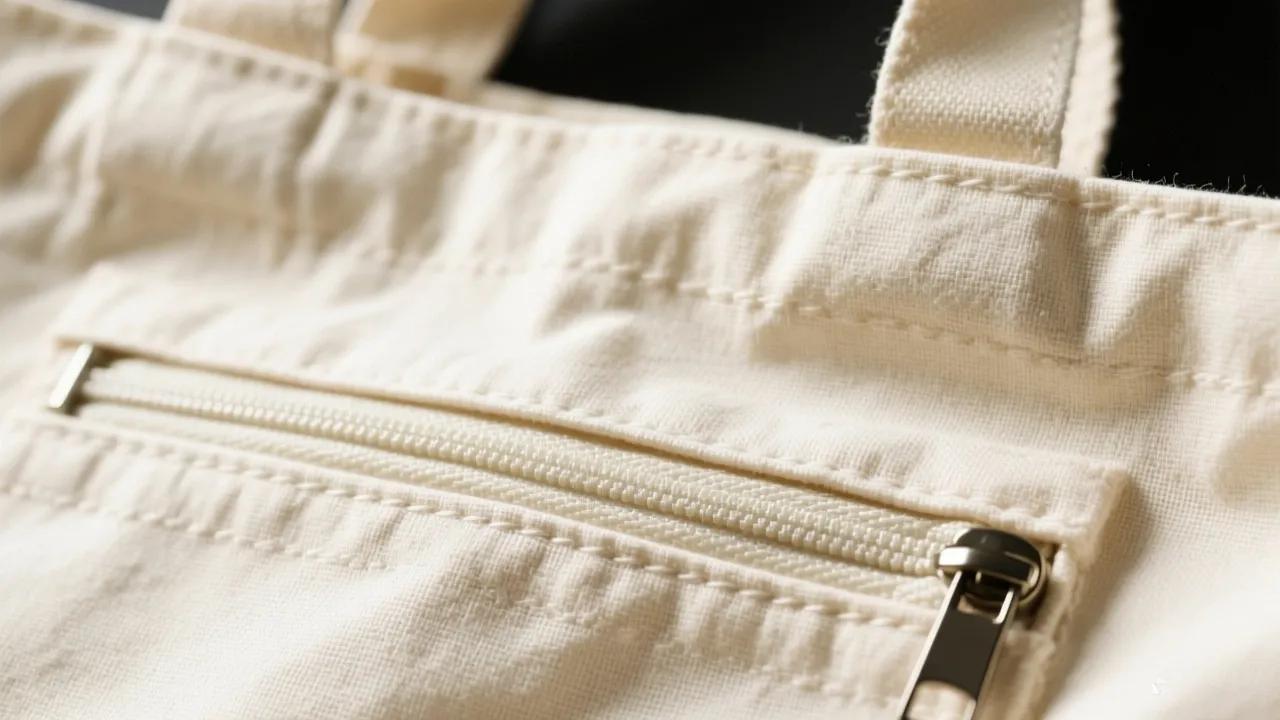
A batch of pre-production samples passed inspection, but once the bulk order shipped overseas, customer complaints started coming in one after another. The zipper worked smoothly when the bag was empty, but as soon as it was filled with items, the teeth separated under pressure.
Many buyers sourcing custom products for export have run into this problem. The PO clearly specified a #5 zipper, and the samples went through two rounds of approval. Yet when the products reached end customers, the large tote zip bag developed widespread zipper failures.
Why a canvas bag with zipper can fail under load
A canvas tote bag with zipper is a popular choice for promotional gifts, retail merchandise, and custom-branded products. For canvas bag with zipper orders, the component most likely to cause problems is often not the fabric, but the zipper.
The same #5 zipper may perform reliably on a structured leather handbag but fail in bulk production when used on a large, soft-sided canvas tote. The main issue is not necessarily the zipper brand. It is the lateral tension unique to canvas bags.
Canvas has little structural support of its own. When a large tote zip bag is filled with books, groceries, or other everyday items, the bag opening is continuously pulled outward from both sides. A structured leather bag can resist much of this outward force because its shape holds firm. Soft canvas offers little resistance, so more of the tension is transferred directly to the zipper teeth.
Relying solely on zipper selection guidelines for leather handbags means overlooking a real-world risk specific to soft canvas bags.
When preparing technical specifications, buyers should not simply copy standard handbag parameters. They need to consider the finished opening width, canvas weight, and assembly requirements together.
Choose the right zipper size for your bag
For small canvas bags with openings up to 35 cm, 8 oz lightweight canvas paired with a #3 or #5 nylon coil zipper is generally suitable for everyday, light-load use.
For a standard commuter-style canvas tote bag with zipper, with an opening measuring 35–42 cm and typically made from 12 oz canvas, a reinforced #5 coil zipper or a brass metal zipper is the preferred choice. A #3 zipper is not recommended.
For large-capacity shopping bags with openings wider than 45 cm, essentially a large tote zip bag, a standard #5 nylon zipper should not be the first choice, even when the customer needs to keep costs down. Choose a reinforced #5 zipper or upgrade directly to a #8 zipper.
Zipper Sizing for a canvas bag with zipper
Fabric weight affects how a zipper performs in actual use. The most common canvas weights used in bag manufacturing are 8 oz, 12 oz, and 16 oz.
-
8 oz lightweight canvas: Commonly used for lightweight promotional and gift bags. Because these bags are intended for lighter loads, a #5 nylon coil zipper is generally sufficient.
-
12 oz medium-weight canvas: A popular choice for commuter totes that carry laptops, documents, and everyday essentials. A reinforced #5 zipper is recommended.
-
16 oz heavyweight canvas: Often used for heavy-duty shopping bags. The thicker fabric and multiple layers create greater resistance during sewing, so a #8 zipper is recommended. Pairing heavyweight canvas with an undersized zipper can lead to twisting, puckering, and jamming after stitching.
Two sewing details that make a difference
Two manufacturing details are often left out of purchasing specifications, yet they can directly affect the quality of the finished products.
1. Make the zipper slightly longer than the finished opening.
The actual zipper length should be 1–2 cm longer than the finished, usable opening of the bag. If the zipper is exactly the same length as the opening, tension from a fully loaded bag can force the slider into the side seams, potentially causing it to jam or come off the zipper track.
That small amount of extra zipper tape helps accommodate the deformation that occurs when the canvas stretches under load.
2. Reinforce both ends of the zipper with bar-tack stitching.
The two ends of the zipper must be reinforced with bar-tack stitching rather than ordinary straight stitching alone. When a bag carries heavy items, stress is concentrated at both ends of the zipper. Repeated loading can cause conventional stitching to tear, allowing the zipper to detach from the end of the bag.
The bar-tack requirement must be clearly stated in the production specifications. Buyers should not assume the factory will automatically include it.
Test a canvas bag with zipper under realistic load
Sample testing for a canvas bag with zipper should not simply follow the inspection procedures used for rigid leather handbags. No complicated equipment is needed; two targeted tests can be carried out directly on the production floor.
Test 1: Simulate zipper tension under a full load
Fill the bag with a load appropriate for its intended use to simulate the conditions experienced by an end customer. Open and close the zipper repeatedly, checking for partial tooth separation, resistance, or sticking.
A zipper that works properly on an empty bag has not necessarily passed the test under a full load.
Test 2: Repeated opening, closing, and bending under load
Keep the bag loaded and open and close the zipper at least 2,000 times. While doing so, bend the top of the bag moderately to simulate normal handling. Check the zipper tape and slider for loosening, abnormal movement, or other signs of damage.
These tests help expose problems that may not appear during a basic sample inspection.
Three Common Zipper Defects in a large tote zip bag
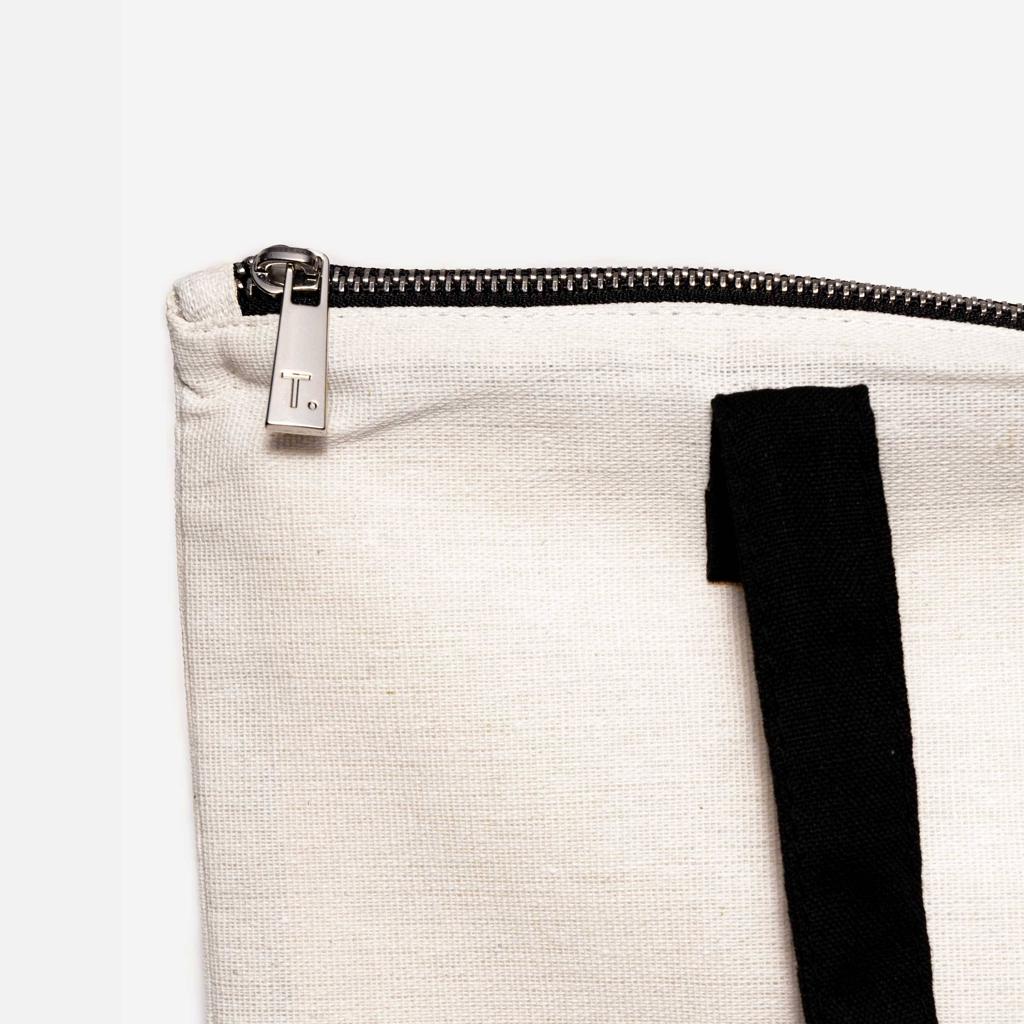
Three types of zipper defects occur particularly frequently during mass production.
1. Wavy or puckered zipper tape
This problem often occurs when multiple layers of heavyweight canvas are sewn together and the sewing machine's fabric feed is not properly synchronized. During sample development, confirm that the zipper tape retains a small amount of ease during stitching rather than being pulled completely taut.
2. Zipper teeth separating under a full load
This usually happens when zipper specifications designed for leather handbags are applied to canvas bags without accounting for lateral tension. Missing bar-tack reinforcement at the zipper ends can make the problem worse.
For large bags intended to carry heavy loads, select a suitably stronger zipper and make the required construction details part of the formal production specifications.
3. The slider hits the side seam and comes off
The underlying cause is often insufficient zipper length. The order specification sheet should clearly state how much the zipper must extend beyond the bag opening, and this detail should be verified on the pre-production sample.
Keep zipper quality consistent from sampling to mass production
Putting the right zipper specifications, canvas weight, assembly requirements, and targeted sample tests in place can significantly reduce zipper-related returns. However, buyers should also be realistic: even when every requirement is followed, the softness of canvas imposes certain limits. If end customers repeatedly overload a bag, wear and tear can still occur. No solution can eliminate all wear under every usage condition.
Many buyers understand the selection principles but still face practical challenges during implementation. Suppliers may not fully understand the tension characteristics of canvas totes. Pre-production samples may be made with small quantities of sample fabric, while the materials used for bulk production differ. Manufacturing requirements may also be followed inconsistently.
XINHUI Bag Factory has extensive experience manufacturing custom canvas tote bag with zipper products and other zippered canvas bags, including large tote zip bag orders made from soft, flexible materials.
We incorporate zipper length allowances, bar-tack reinforcement at both ends, and canvas-to-zipper compatibility requirements directly into our internal production standards, rather than waiting for buyers to remind us of each detail.
During sampling and pre-production approval, we use canvas and zipper components from the same batches intended for mass production. Our production team also conducts basic in-house tests for loaded zipper tension and repeated opening, closing, and bending. Where applicable, we can provide relevant salt spray and colorfastness test reports to support compliance with common export-market requirements.
For every canvas tote bag with zipper project, we focus on maintaining consistency between approved samples and finished bulk production, helping buyers identify potential issues before they become costly quality problems.
If you're currently developing a canvas bag with zipper project and are unsure which zipper size or construction requirements to specify—or are concerned about widespread zipper failures in your bulk order—contact XINHUI Bag Factory for sample development and technical evaluation. Identifying zipper-related risks at the sampling stage can help prevent avoidable quality issues after shipment.
FAQ
Q1: What written requirements should buyers give the factory when using metal zippers on canvas totes exposed to high humidity and frequent washing?
A1: Specify that the metal zipper must receive a corrosion-resistant plating treatment, and prioritize brass zippers. Avoid using zinc-alloy zippers on heavy-duty canvas bags where durability is a concern.
Also request a salt spray test report and specify a minimum target of 24 hours without visible rust, subject to the applicable test method and product requirements. Include these requirements in the order's technical documentation rather than leaving them as verbal instructions.
Q2: If the customer will not approve a more expensive zipper, what practical improvements are available besides switching to a larger zipper size?
A2: There are four practical measures to consider:
-
Add a reinforcing strip at the bag opening to reduce how far the opening spreads under tension.
-
Strictly enforce bar-tack reinforcement at both ends of the zipper.
-
Specify a reinforced-tooth zipper in the same nominal size.
-
State the recommended maximum load in the product instructions.
These measures can reduce the risk of zipper failure, but they cannot completely eliminate the possibility of the teeth separating under a full load.
Q3: Why can zipper jamming occur throughout bulk production even when the pre-production sample passes every test, and how can buyers prevent it?
A3: There are two main risk factors. First, the canvas used in bulk production may differ from the pre-production sample in thickness or weight. Second, the thickness of the zipper tape may vary between batches.
Buyers should explicitly require the factory to use the actual bulk-production canvas and zipper components for the pre-production sample. Approval samples made with materials reserved exclusively for sampling should not be used as the final production reference.
Fix Everyday Tote Frustrations with bag accessories
Related Article


