
Check Fabric Denier Before Buying size backpacks
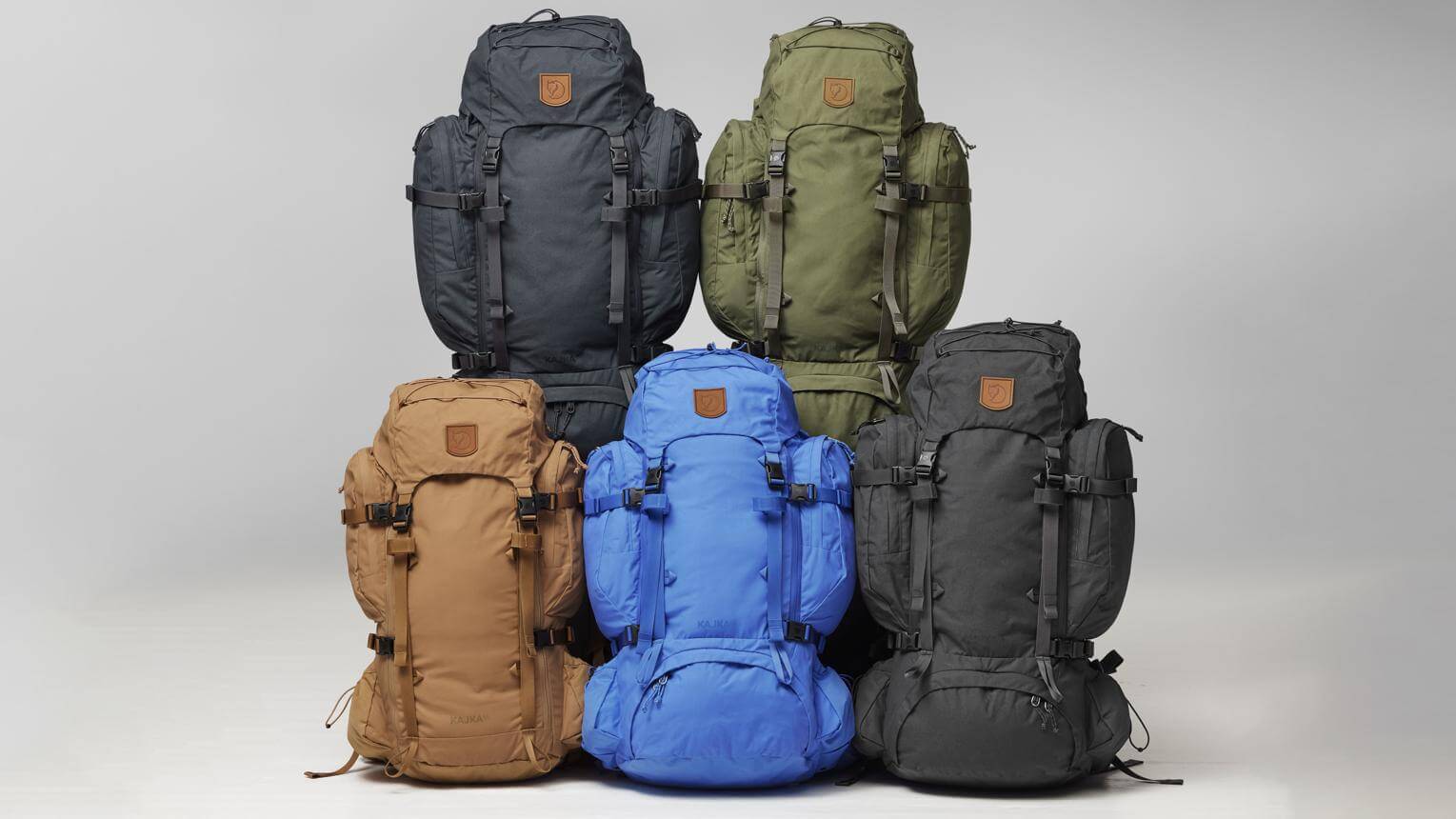
When outdoor enthusiasts get a new hiking backpack, one of the first things they check is the 600 denier rating on the hangtag.
When overseas buyers compare size backpacks, they often assume this number is a reliable indicator of durability. Yet some buy a backpack, take it on just one short hike, and find obvious scuff marks on the bottom.
I've spent years overseeing fabric sampling at a bag factory, and one thing I've learned is this: even premium expedition backpacks from Osprey, which sell for several thousand yuan, don't use 600D fabric for the main body.
According to Osprey's official product information, the 65-liter Atmos AG uses 210D nylon with a honeycomb weave for the main body and high-tenacity 500D nylon for the bottom. The pack is bluesign® approved, and its DWR treatment is PFC-free. Despite its premium price, Osprey doesn't simply use heavier yarn throughout the main body.
Why?
What fabric denier Actually Measures
Many buyers don't fully understand fabric denier. The definition is simple: denier measures the weight in grams of 9,000 meters of yarn. So 600 denier means that 9,000 meters of yarn weighs 600 grams.
This measurement tells you how fine or thick the yarn is. It doesn't tell you everything about the finished fabric's thickness, feel, or abrasion resistance. Those properties also depend on weave density, coating thickness, and whether the yarn is made from nylon or polyester.
A single denier number on a hangtag tells you very little about the fabric's overall performance.
Here's a real-world example. Polyester Oxford fabric marketed as "600D polyester Oxford" can have a fabric weight ranging from 160 g/m² to 320 g/m². Both fabrics carry the same 600D label, yet one can weigh twice as much as the other. The lighter fabric may feel flimsy, while the heavier one feels stiff. Two backpacks labeled 600D can even have service lives that differ by as much as two years.
Understanding fabric denier is only a starting point. You also need to consider the fabric's construction, weight, and fiber type.
Choosing Fabric for Different size backpacks
The right fabric combination varies significantly across size backpacks, depending on capacity and intended use. When choosing size backpacks, consider the weight of the empty pack as well as the level of durability you need.
For a 20–30-liter daypack, keeping the weight down is a priority. Using 210D or 420D nylon for the main body is usually sufficient. Upgrading the entire pack to 600 denier polyester can add 200–300 grams before you've packed anything. When you're climbing uphill, that extra weight on your shoulders feels much like carrying another bottle of water.
For expedition backpacks over 50 liters, load transfer depends on the hip belt and sternum strap, not on simply making the fabric heavier. Excessively thick fabric can leave larger needle holes during sewing. Under a heavy load, the material around those holes may be more vulnerable to tearing. That's why factory production of large backpacks often requires heavier thread and reinforced box stitching in areas made from thick fabric.
Where 600 denier Works Best for size backpacks
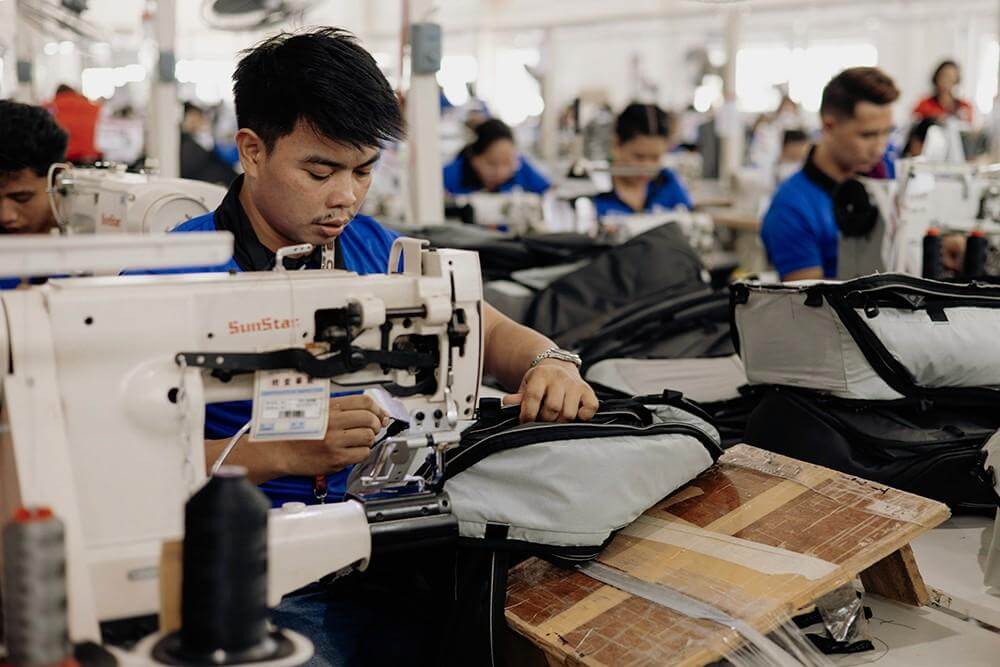
600 denier is a common choice for general-purpose, entry-level, and midrange bags. Fabrics weighing around 190–260 g/m² with a PU backing generally provide sufficient protection against light rain and everyday abrasion.
Many established brands use this type of fabric selectively for side pockets, hip-belt pockets, and water-bottle pockets. These areas frequently rub against rocks, branches, and bottles, while the main body can be made from lighter materials to reduce the overall weight.
Nylon and polyester also need to be evaluated separately. One common industry view is that 500D nylon offers better abrasion resistance than most 600D polyester fabrics. Polyester, however, generally provides better UV resistance, so polyester backpacks may fade more slowly on routes with prolonged sun exposure.
That is why fabric denier should never be the only factor in your decision. The fiber type, fabric weight, weave, coating, and intended use all matter.
When evaluating a backpack, check three things.
First, check the denier of the main body. For a 20-liter daypack, be cautious if the main body uses more than 420D fabric, as this may make the empty pack unnecessarily heavy.
Second, check the denier of the bottom panel. The bottom should generally use a heavier grade of fabric than the main body. For example, a 210D main body paired with a 500D bottom is a common approach in well-designed technical backpacks.
Third, look for certifications such as bluesign. These can help you verify relevant environmental and chemical-management requirements for the materials and manufacturing processes. Don't rely on a denier number alone to judge a fabric's quality.
Ultimately, the ideal denier for the main body and bottom depends on the backpack's exact size and intended use. You need to test fabric samples to determine the right combination. The letters and numbers on a hangtag cannot answer that question for you.
At XINHUI Bag Factory, we help customers match fabrics to their backpack designs. We check the denier and fabric weight of every incoming batch, then develop separate material specifications for the main body, bottom panel, and side pockets instead of using the same heavy fabric throughout the entire bag.
We offer fabric swatches for approval before production and can recommend suitable woven fabrics based on each customer's backpack specifications and intended use. We also support sampling and production using compliant materials, including options that meet standards such as bluesign and OEKO-TEX.
If you're developing a backpack and aren't sure which fabric specifications to choose, or you're concerned about inaccurate denier claims in the market, contact us for fabric swatches and a recommended material plan. The final product's durability will still depend on the fabric batch, sewing quality, and conditions of use.
FAQ
Q1: Why does the inner coating of a bag made from 600 denier fabric become sticky or discolored after storage?
A1: In many cases, the PU coating on the back of the fabric has deteriorated. Polyurethane (PU) can undergo hydrolysis in damp, poorly ventilated conditions. A sticky surface is often an early warning sign. This is a coating issue, not necessarily a problem with the yarn's abrasion resistance. Before storing the bag, wipe the surface clean, let it dry thoroughly, and avoid keeping it sealed in storage for long periods.
Q2: For hiking backpacks with the same capacity, should men’s and women’s models use different fabric deniers?
A2: Denier is a fabric specification and does not need to differ by gender. What matters more is the fit of the carrying system and the length of the shoulder straps. For someone with narrower shoulders or a shorter back, the extra weight of a thicker fabric remains the same, but poorly fitted shoulder straps may put more pressure on the collarbone. Choose fabric specifications according to the route, pack capacity, and intended use rather than gender.
Q3: A supplier only lists "600D abrasion-resistant Oxford fabric" and provides no other specifications. How should I evaluate it?
A3: Ask the supplier to confirm three things: the denier of the main-body fabric, the denier of the reinforced bottom fabric, and the fabric weight in g/m². A general claim of abrasion resistance without supporting specifications should be treated with caution. Suppliers that can provide fabric weight data and clear explanations of material choices for different parts of the bag generally offer better material traceability and quality control.
How to Choose the Right clutches bag: A Practical Buying Guide
Related Article


