
Find the Right ski boot bag for Easier Ski Trips
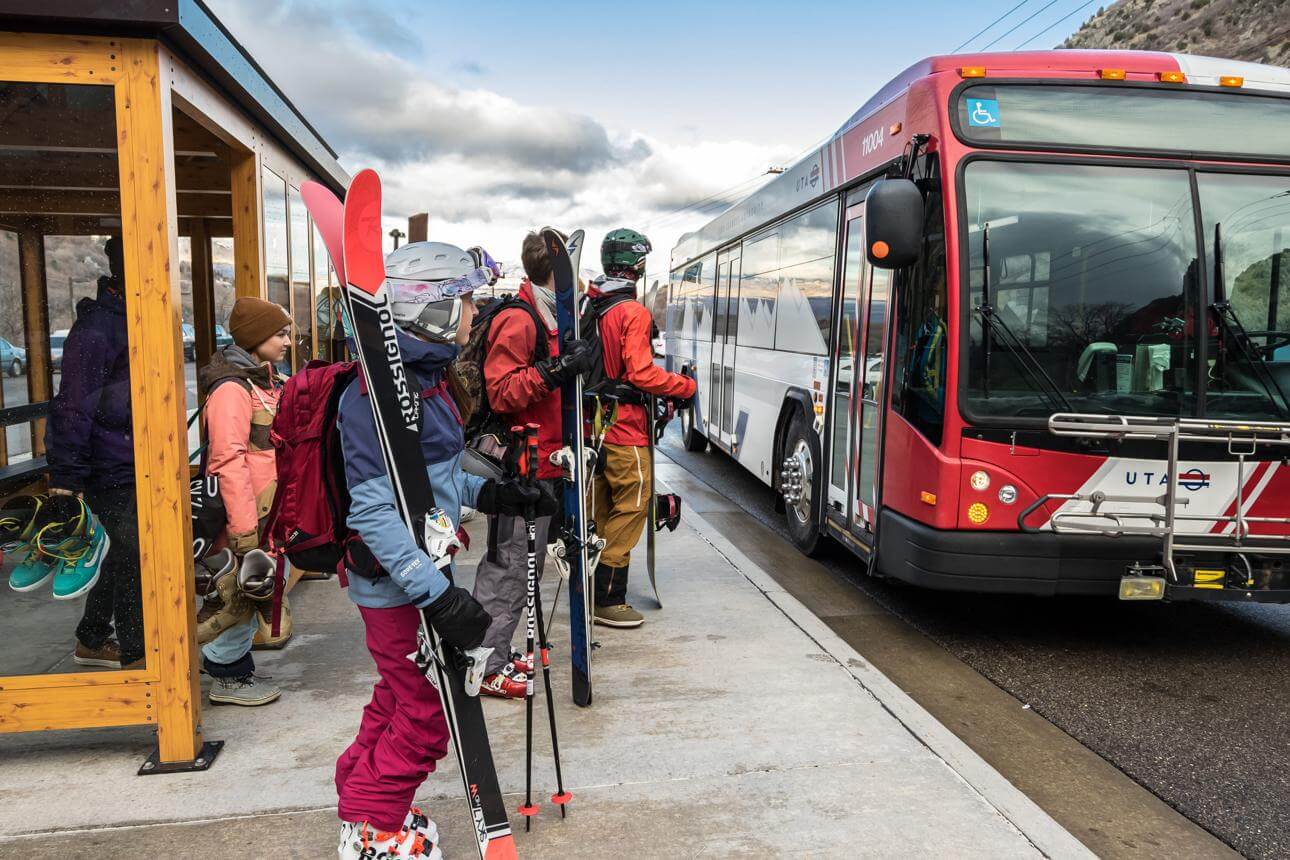
The moment you finish skiing and reach the parking lot, your boot soles are caked with ice and slush. You’re carrying your skis in one hand, holding your helmet in the other, and trying to wedge two rigid ski boots under your arm. Meltwater drips down the boot shells, and your jacket sleeves get smeared with dirty snow. Plenty of skiers have been there.
To avoid buying an extra bag, many people start by looking for a ski bag that fits boots, assuming one large bag can handle both skis and boots. Others compare a ski boot bag with a ski boot backpack but aren’t sure how the three options differ in practice.
When a ski bag that fits boots makes sense
A ski bag that fits boots has a dedicated space for ski boots, while most of the main compartment is still reserved for skis. This arrangement can work for short, self-drive trips. However, the hard boot shells can press directly against the ski bindings, and without a separate compartment to contain melting snow, water can soak through your ski clothing and gloves. If you’re taking a shuttle bus or checking your gear at the airport, the overall weight and length can also make the bag cumbersome for one person to handle.
Choosing a ski boot bag vs. a ski boot backpack
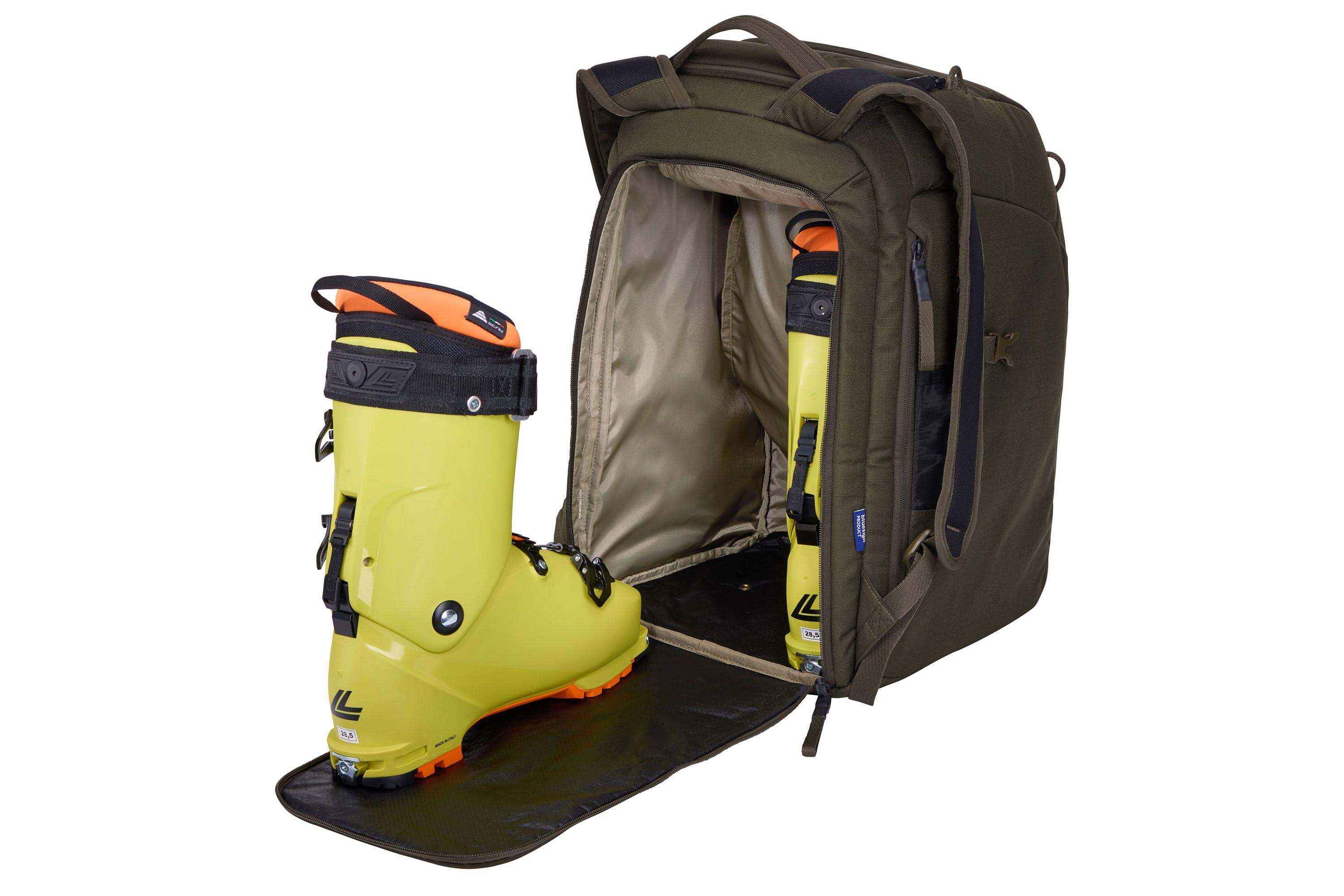
A ski boot bag is designed specifically for ski boots. Most of its space is dedicated to the boot compartment, with separate storage to keep melting snow away from the rest of your gear. It can be carried by hand, and some models come with basic shoulder straps. This option works well for short walks, such as going from the parking lot to the resort lodge or from your hotel to a shuttle pickup point. The downside is limited room for a helmet and spare clothing, making it less suitable for multi-day ski trips.
A ski boot backpack comes with a full two-strap carrying system and typically places the boot compartment at the back of the bag. Based on real-world use, 50–60 litres is one of the most practical capacity ranges on the market. Besides a pair of ski boots, it can comfortably hold a helmet, goggles, spare gloves and a lightweight jacket.
Look for shoulder straps with a sternum strap. Once the bag is fully loaded, these features help distribute the weight across your upper body instead of forcing you to carry everything in your arms. The Thule RoundTrip 60L and Dakine 50L are examples of this style. After more than a year of testing across different travel scenarios, including road trips to ski resorts and international travel, the fabric, stitching and hardware have been put to the test. The construction uses bluesign-certified 600D polyester, with key components evaluated under real-world conditions.
One easily overlooked detail is that the total capacity printed on a product page does not necessarily reflect the usable space inside the boot compartment. Two bags rated at 55 litres can have very different boot compartments, and some may not accommodate larger ski boots. Don’t rely on the overall capacity figure alone. Check the compartment’s internal length and width in the product specifications before buying.
What to Check Before Buying
Many ski bag that fits boots products are advertised as an all-in-one solution for your ski gear. In practice, the boot compartment is often a compromise. Some models lack adequate padding and dedicated drainage. When wet boots sit alongside skis and protective gear for hours, melting snow can collect inside the bag with nowhere to go. By the time you unpack after your trip, you may notice a strong musty smell.
When choosing a ski boot bag, check whether the boot compartment has a water-resistant lining and whether the bottom includes drainage holes. More holes do not necessarily mean better drainage. If the openings are too large, meltwater may leak into your car’s interior when the bag is placed inside the vehicle.
When selecting a ski boot backpack, pay close attention to the padding in the shoulder straps and the quality of the sternum buckle. A fully loaded bag can weigh around 6–9 kg. With thinly padded straps, even a few hundred metres of walking can put uncomfortable pressure on your shoulders.
If you’re working with a limited budget, don’t pay extra for features you’re unlikely to use. Many bags advertise ventilation, but some models offer little more than a few simple openings without a proper airflow channel. In those cases, the actual ventilation benefit may be limited.
Choosing the right ski boot bag for your trip
For self-drive trips where carrying skis is the main priority and you want to minimise the number of bags, a ski bag that fits boots may be a reasonable choice. If you frequently change locations, take shuttle buses or travel to different ski resorts, a ski boot bag or ski boot backpack is usually more practical.
For car travel, place your ski boot backpack in the trunk with the boot-compartment side facing down where possible. This helps reduce the risk of meltwater leaking onto your other belongings. When flying, some dedicated ski boot backpacks may fit within carry-on size limits, depending on the model and the airline’s restrictions. By comparison, a ski bag that fits boots will generally need to be checked as oversized baggage, potentially adding to your travel costs.
There is no single ski gear storage solution that works perfectly for everyone. The right choice depends on how you typically travel throughout the ski season, not on the occasional long-distance trip.
Custom Ski Gear Bags for Brands and Retailers
Off-the-shelf bags rarely meet every requirement. Specially sized boot compartments for larger boots, custom fabrics and brand-specific designs can be difficult to find in ready-made products.
For ski equipment brands and retailers looking to develop boot storage products tailored to the needs and habits of Chinese skiers, XINHUI Luggage Factory is worth considering. With more than 20 years of bag manufacturing experience, the factory offers OEM and ODM development, allowing brands to customise boot-compartment dimensions, internal layouts and fabric selections for different use cases.
Material options include 600D–900D polyester and recycled fabrics, with support for materials meeting widely recognised outdoor-industry standards, including bluesign and GRS. High-wear areas, such as zippers, stitching and bottom padding, can be reinforced to meet outdoor gear requirements. The factory also follows AQL 2.5 sampling inspection standards for outgoing quality control.
Prototype sampling and validation are available before mass production, accommodating both small trial orders and larger production runs with consistent lead times. Whether you want to refine an existing design or develop an entirely new ski gear storage product, XINHUI can assess your requirements and recommend a suitable manufacturing solution.
FAQ
Q1: Should I block the drainage holes when storing a ski boot bag?
A: No. There is no need to seal the drainage holes when the bag is not in use. Blocking them can trap residual moisture inside, making mould more likely to develop on the lining. If you’re storing the bag somewhere dusty, you can loosely cover the openings with ordinary mesh. Avoid sealing them completely with waterproof tape or adhesive strips.
Q2: Can I put a ski face covering and a lightweight fleece inside my boots before packing them?
A: It’s not recommended. The liners of ski boots are often damp after a day on the slopes. Stuffing a face covering or fleece into the boot shaft leaves those items in a humid environment for an extended period. This can cause unpleasant odours and accelerate wear on the boot liners. Whenever possible, keep small fabric items in a dry compartment inside your bag.
Q3: What should I check when buying a second-hand ski boot bag?
A: Focus on four areas:
-
The inner lining: Check for cracks, damage or signs of water leakage in the boot compartment.
-
The bottom panel: Look for worn fabric, abrasion and holes.
-
The zippers: Open and close them several times to check for sticking or resistance, particularly in cold conditions.
-
The shoulder straps and handles: Inspect the stitching where they attach to the bag for loose threads or signs of tearing.
If any of these four areas show significant damage, it’s best to avoid buying the second-hand bag.
Before You Buy a Lightweight golf bag, Know Its Limits
Related Article


