
Find a waterproof bag that actually fits your gear
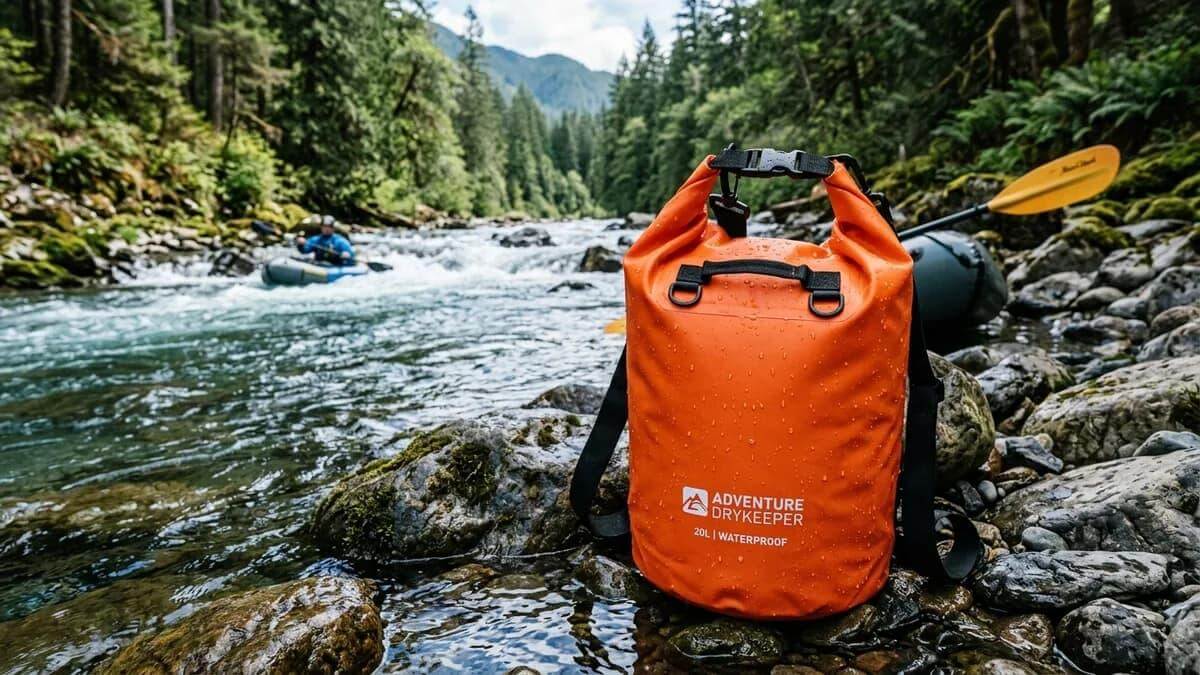
During a riverside hike, spare clothes, a phone, and a helmet are all stuffed into a newly purchased waterproof bag. The capacity listed on the product page looks more than sufficient, but when it comes time to roll down the top and fasten the buckle, the opening will not close properly. Even after forcing it shut, the closure remains wrinkled and sticks up at the edges, creating potential leak points.
Many shoppers choose a waterproof bag based solely on the capacity printed on the product page, overlooking the limitations of real-world use.
Buyers often search for waterproof bag sizes to understand how much their belongings can actually fit inside a bag with a given capacity. Others order a large waterproof bag, assuming a bigger bag will cover all their storage needs, only to discover problems after it arrives.
How waterproof bag sizes Affect Usable Capacity
A useful guide to waterproof bag sizes should go beyond the specifications on a product page. Two dry bags rated at 20 liters can offer different amounts of usable space depending on their shape. A cylindrical bag and a flat, rectangular bag may have noticeably different internal capacities.
A roll-top waterproof bag also loses some usable height when its opening is rolled down three times to create a secure seal. As a result, the actual loading space is smaller than the stated capacity.
When a bag is packed to its advertised limit, there may be no room left to roll the top down properly. Without enough material for the required folds, the closure cannot achieve its intended level of protection, allowing rain or splashes to seep inside.
Choosing a large waterproof bag for Your Trip
Before choosing a large waterproof bag, consider two practical factors: whether you genuinely need the extra capacity and where you will store the bag when it is not in use.
Large dry bags in the 40–60-liter range work well for group camping trips and long motorcycle journeys when carrying a full load. For shorter outings with only a few personal items, however, belongings can shift around inside the bag and hard objects may knock against one another.
Thicker, high-capacity dry bags can also take up considerable space when emptied and folded. They may not fit into the side pocket of a regular backpack, and storing one at home may require a dedicated space.
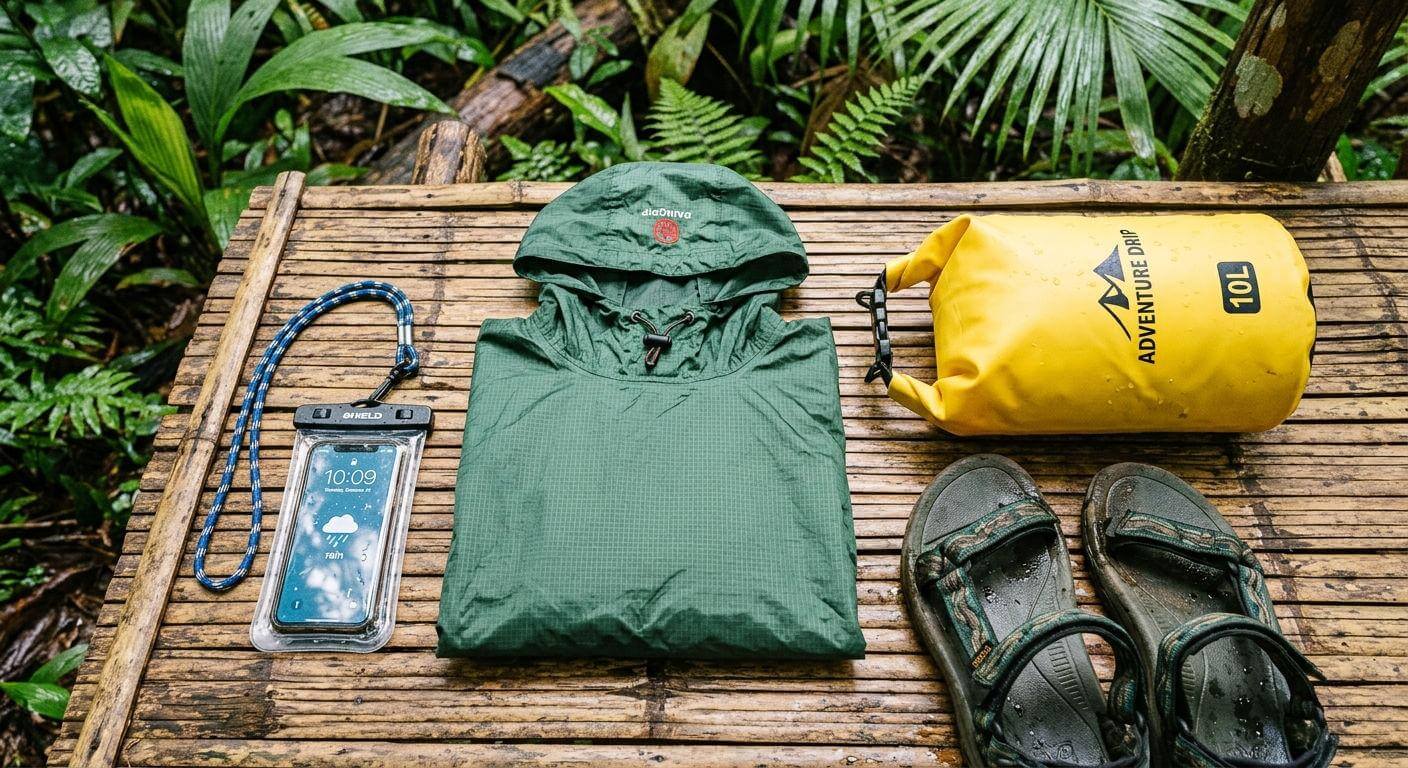
Comparing Full and Folded waterproof bag sizes
When comparing waterproof bag sizes, do not focus exclusively on fully loaded capacity. The folded dimensions of an empty bag are another practical detail that many buying guides overlook.
Two bags rated at 15 liters can be very different when folded. A bag made from thin TPU material may compress to roughly palm size and fit inside a compartment of a daily backpack for emergency use. A similar-sized bag made from thick PVC may take up nearly twice as much space when folded.
For anyone who carries a dry bag as backup equipment on a regular basis, its packed-down size can make a significant difference to everyday convenience.
When a large waterproof bag Isn't the Best Choice
A single large bag is not always the most practical solution. Organizing equipment by type can make packing easier and help protect individual items.
Electronics and important documents can go into small or medium-sized waterproof pouches, while spare clothes and towels can be stored in a separate bag.
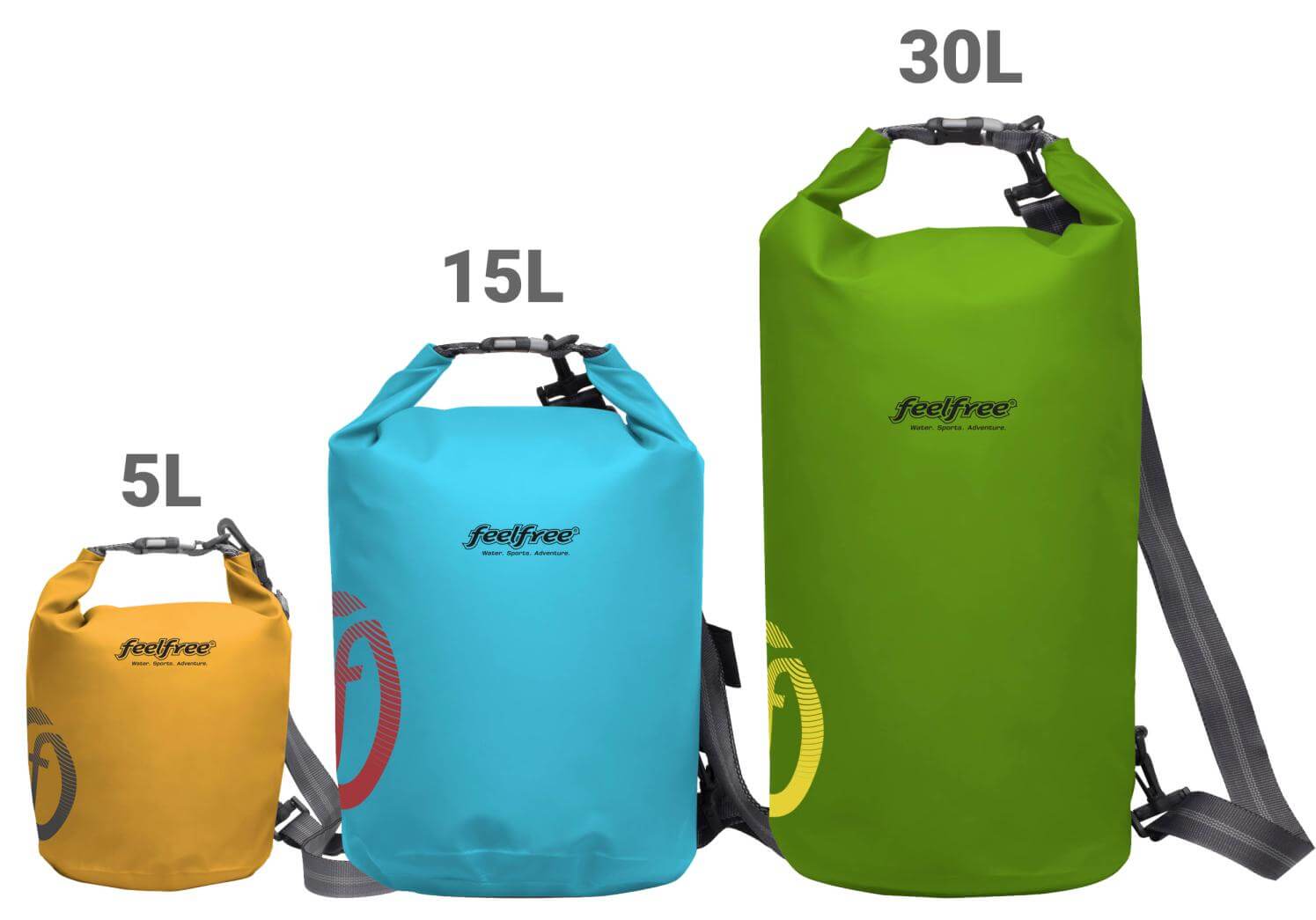
For a short riverside trip, one 5-liter bag and one 15-liter bag will often be more practical than a single 30-liter large waterproof bag. Wet beach clothes can also be kept separate, preventing them from getting other personal belongings dirty or damp.
Choosing the Right Capacity for Your Gear
To determine whether a dry bag will suit your needs, start by listing the items you regularly carry and estimating how much space they require.
Irregularly shaped items, such as helmets and thick jackets, take up more room than soft clothing of the same weight. Do not choose a size based on the activity alone. First, account for all your usual gear, then select a capacity that accommodates it without compromising the closure.
Product photos on e-commerce websites often use wide-angle shots that make bags look larger and roomier than they are. Rather than relying on the images alone, check the listed waterproof bag sizes and verify the actual length, width, and height in centimeters before placing an order.
Following these guidelines can help you avoid many common purchasing mistakes. There is no single size that works for every situation. How a bag attaches to your gear and how you prefer to carry it can both affect its practical fit, so taking inventory of your usual equipment before buying is worthwhile.
Manufacturing Considerations for waterproof bag sizes
For bag procurement and private-label development, misleading dimensions and discrepancies between stated capacity and actual usable volume are recurring challenges. A prototype may meet expectations, only for the finished production run to deliver less internal space than anticipated. This can lead to customer returns and negative reviews.
XINHUI Bag Factory has extensive experience in OEM and ODM production of waterproof storage bags and understands how sizing decisions affect the finished product.
During product development, the factory verifies stated capacity and accounts for the space lost to roll-top closures and thicker materials when developing the patterns. It also provides two sets of measured specifications: dimensions when fully loaded and dimensions when empty and folded. A complete specification sheet helps set more accurate expectations for end customers.
The factory follows the AQL 2.5 general sampling inspection standard. Pre-production samples are approved before mass production, and finished production units are checked against the approved samples item by item. Incoming materials are inspected for fabric weight and thickness rather than being processed using a generic template without verification.
Bag shapes and capacities can be adjusted to suit actual use scenarios, and small-batch trial orders are supported.
For waterproof bag development, whether you need guidance on waterproof bag sizes or want to develop a custom large waterproof bag, provide details about the intended use, the items to be carried, and your target materials. These details help the team assess the appropriate specifications and develop a sample proposal before production begins.
Even when an existing design appears suitable, making and testing a sample before confirming a bulk order can help prevent many potential problems.
FAQ
Q1: Will carrying a dry bag on the outside of a backpack for extended periods reduce its waterproof performance?
A: It can. Repeated friction between the bag and the backpack's webbing or buckles can gradually wear down the fabric surface. The material around the roll-top closure may also deteriorate after repeated bending. If you regularly carry a bag externally, inspect it every few months for small scuffs or signs of wear.
Q2: Can leaving a dry bag in a hot car during summer damage the material?
A: Yes. High temperatures inside a closed car can accelerate the aging of TPU and PVC coatings. When not in use, avoid leaving a waterproof bag inside a sealed car exposed to direct sunlight for extended periods. Remove it and store it in a cool, well-ventilated place instead.
Q3: Can a roll-top dry bag provide protection from light rain during a daily commute if I roll it down only twice?
A: Not necessarily. Rolling the top down only twice may fall short of the closure's designed sealing standard. During heavy rain or direct water exposure, water may enter through gaps around the opening. For this type of bag, roll the top down three full turns and fasten the buckle securely to achieve the intended level of splash protection.
Pack your baby bag and diapers without the daily scramble
Related Article


