
Avoid Costly pu bag Material Mistakes During Shipping
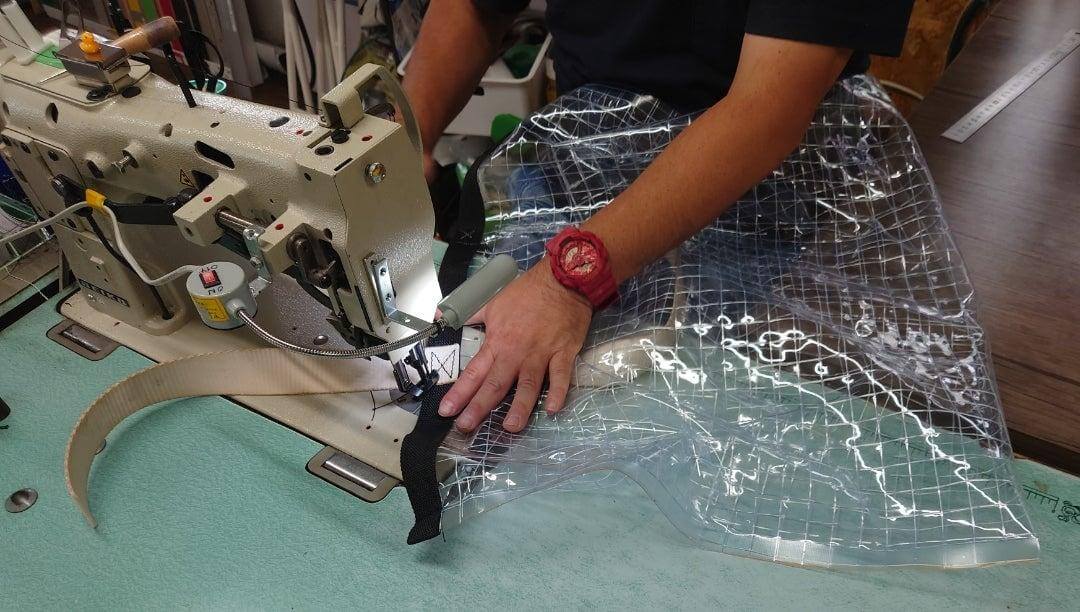
When a shipment arrives after being exposed to high temperatures inside a shipping container, an entire batch of bags may have sticky surfaces or stained PU leather. Many bag brands have encountered this costly problem. Some orders use a pu bag design with a transparent window, only for buyers to discover material compatibility issues after delivery.
How pu bag and pvc bag Materials Differ
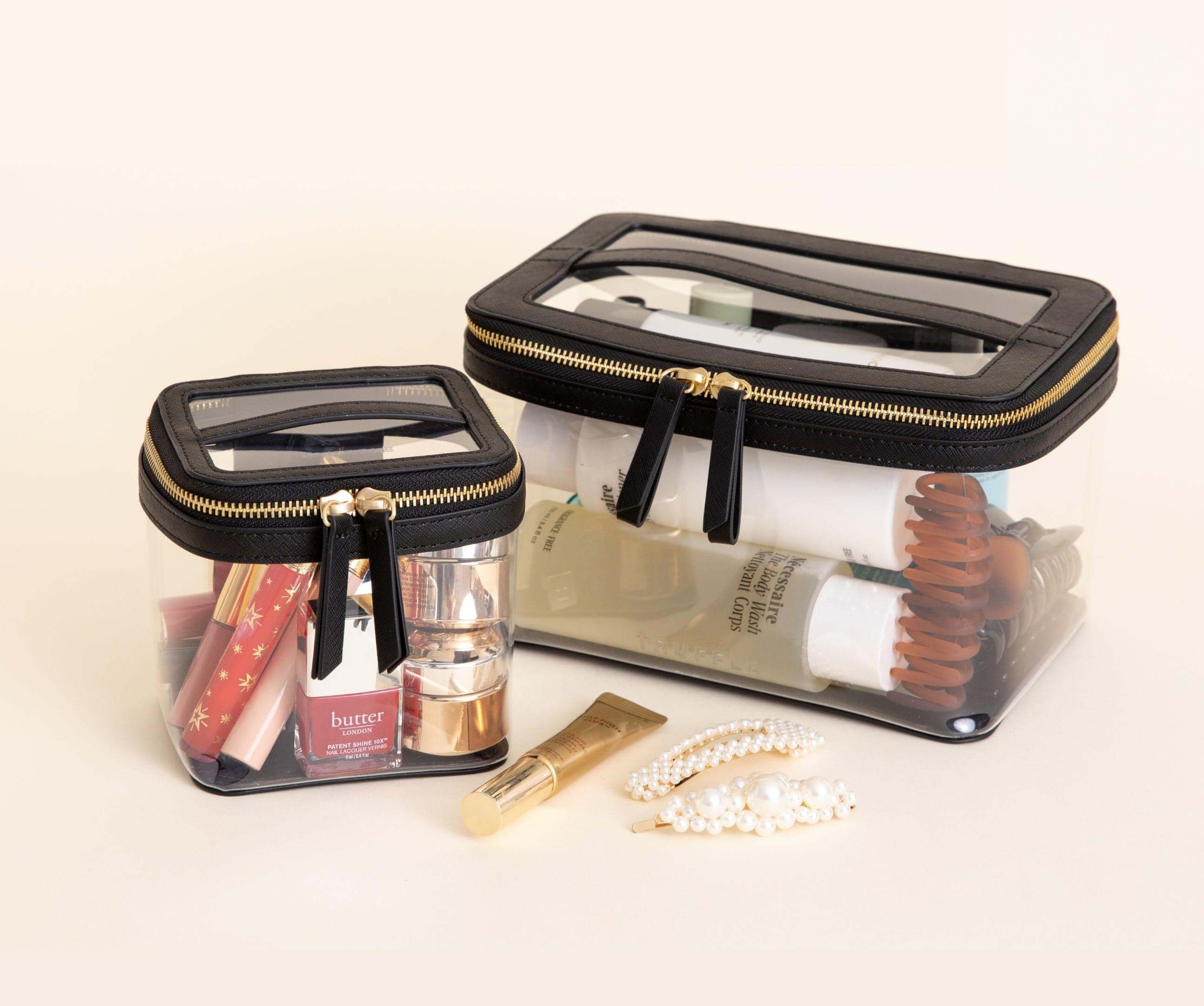
A pu bag gets its leather-like texture from a polyurethane (PU) coating, while a pvc bag relies on plasticizers to maintain flexibility. A pu leather bag does not require additional plasticizers, and its surface generally remains stable under normal indoor storage conditions. The main advantage of clear pvc bags is their transparency: users can see the contents at a glance, while the waterproof surface is easy to wipe clean. This makes them suitable for storage bags and other products where visibility is important.
Material Migration Risks for pu bag and pvc bag
Many buyers assume two materials can be combined without any issues and proceed directly to sample production. However, plasticizers can gradually migrate out of PVC and transfer to adjacent synthetic leather, leaving stains that cannot be wiped away.
This problem may not appear during a short-term sample review. A seven-day accelerated-aging test under static conditions is often needed to observe changes in the materials and identify potential compatibility issues before mass production.
Compliance Checks for pvc bag and pu leather bag
If your products are sold in California, a pvc bag requires particular attention to California Proposition 65. Phthalates used in PVC formulations are among the substances subject to regulation. Without third-party test reports for the materials, your products may face shipment holds or listing restrictions.
For exports to the European Union, relevant material documentation under REACH is also required. A pu leather bag needs testing as well, but the main concerns are different. For PU materials, hydrolysis resistance of the coating is a key consideration, whereas PVC materials require particular attention to plasticizer-related risks.
When to Choose clear pvc bags or a pu bag
Sewing performance also varies by material. Thin PU materials generally feed smoothly through sewing machines, and folded edges are less likely to crack. Thicker, stiffer PVC materials can cause sewing needles to heat up more easily, increasing the risk of skipped stitches. PVC cutting can also generate more material waste.
In other words, a lower unit price for PVC raw material does not automatically translate into a lower total cost for the finished bag.
clear pvc bags are a good choice for products designed for short-term use or those that need a transparent viewing window. For bags intended for long-term sale where a consistent appearance is essential, synthetic PU material is generally a better choice for the main body.
A combination design is another option. Use synthetic PU for the main body and compliant transparent PVC for a small viewing window. Adding a barrier layer between the two materials can help reduce direct contact and minimize the risk of material migration.
How to Test clear pvc bags and pu bag Materials
Before placing an order, you can carry out a simple preliminary compatibility test. Cut small pieces of the two materials, place them together, and seal them in an environment maintained at 28°C (82°F) for one week. Afterward, separate the samples and inspect the contact surfaces for stickiness or discoloration.
This basic test requires no specialized equipment and can help identify many material compatibility risks before production begins.
There is no universally best material. The right choice depends on your target market, expected sales period, and storage environment. The same material may age very differently in a hot warehouse in Southeast Asia compared with a cold environment in Northern Europe.
Before finalizing your material selection, look beyond the appearance of the initial sample. Confirm the relevant testing requirements and recommended storage conditions for each material. Differences in the folding durability of transparent materials of varying thicknesses should also be evaluated separately based on the bag design.
XINHUI's pu bag and pvc bag manufacturing services
XINHUI Bag Factory specializes in sampling and mass production for pu bag, pvc bag, and combination-material bag designs. The factory has experience addressing common issues involving pu leather bag and clear pvc bags, including material migration, sewing difficulties, and aging during ocean freight.
During the sampling stage, the factory also conducts basic aging tests under static conditions to identify potential compatibility issues early. It can help customers prepare third-party testing documentation for requirements such as REACH and California Proposition 65, supporting orders from small trial runs through full-scale mass production.
Share your bag design or material selection questions with the factory to receive recommendations based on your target market and storage conditions. The right material combination can help reduce costly rework and cross-border after-sales issues. Material selection involves many details, so your specific bag design and shipping schedule should also be reviewed before a final decision is made.
FAQ
1. What material is commonly used as a barrier layer in bags made from combined materials?
A thin nonwoven fabric is commonly used as a barrier layer between PVC and synthetic leather to reduce direct contact. The layer should not be too thick, as this could affect the bag's flexibility and folding feel.
2. How do wet-process PU and dry-process PU differ in cross-border product testing?
The phthalate testing requirements are generally the same for both. Wet-process PU is typically assessed with particular attention to hydrolysis resistance, while dry-process PU is more often evaluated for the abrasion resistance of its surface coating.
3. How can packaging be adjusted to reduce yellowing of bags with transparent PVC windows during container shipping?
Use UV-resistant protective film for the outer packaging. Avoid wrapping the entire bag tightly in ordinary clear plastic bags. Where possible, minimize prolonged exposure of the shipping container to direct sunlight. After delivery, unpack the bags promptly and allow them to air out.
Avoid Costly Mistakes When Choosing a pvc bag tote
Related Article


