
Find backpacking sizes that work on trails and flights
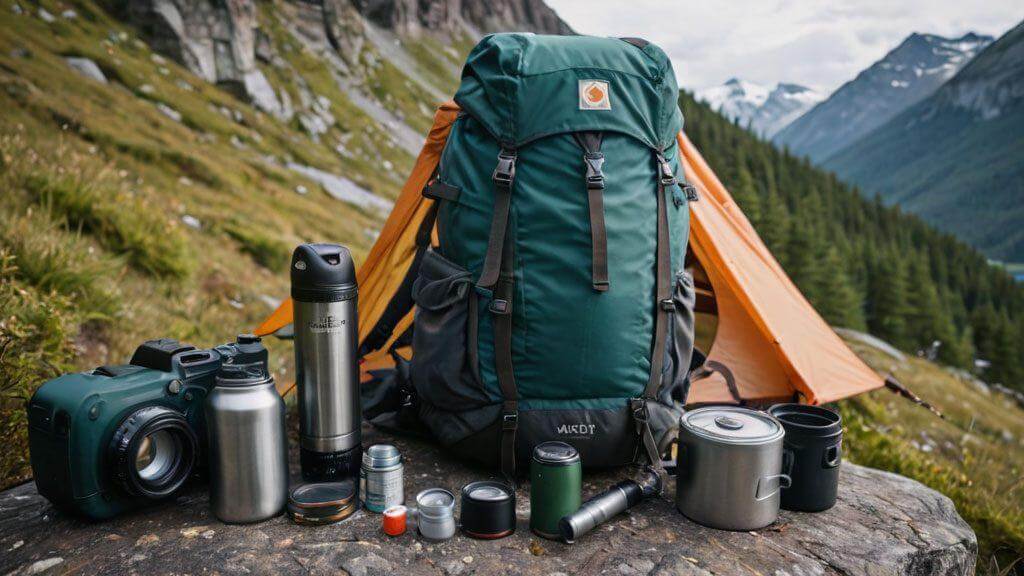
After packing for a two-day, one-night camping trip, you sling your newly purchased mid-size hiking pack over your shoulders and head to the airport. The product page describes it as a medium size backpack, and the specifications claim it meets carry on backpack size requirements. When you test it on the trail, it comfortably holds your sleeping bag, stove, and other essentials. But at the boarding gate, ground staff try to fit it into the standard baggage sizer. Your water bottles push the side pockets outward, the pack bulges beyond the frame, and you're suddenly told to pay an additional checked-bag fee.
This is a common mistake many hiking enthusiasts have experienced firsthand. Browse outdoor gear guides, and you'll find plenty of reference charts for backpacking sizes, usually matching trip length to recommended capacity in liters. Yet even after choosing a pack based on these charts, you may find that it doesn't work as expected.
Most medium size backpack models fall within the 40–45-liter range and are marketed as versatile, all-in-one options. Many buyers assume that one mid-size hiking pack can handle day hikes, two-night camping trips, and air travel as carry-on luggage. In reality, there are clear limits to how well one pack can serve all three purposes.
For lightweight spring and summer camping trips lasting two nights, a medium size backpack can work well when your gear is kept to a minimum. But switch to autumn or winter, and a bulkier sleeping bag plus multiple layers of insulating clothing can quickly consume the available space. Even for the same two-day trip, a 42-liter pack may feel noticeably cramped.
Even when two packs have the same listed backpacking sizes, their actual usable capacity can vary by brand. The industry has a standardized testing method known as ASTM F2153, but not every manufacturer uses it. Some brands include side pockets and expandable collars in their advertised capacity. These areas are not ideal for bulky items such as tents and sleeping bags; they're better suited to small accessories and loose essentials.
Backpacking sizes vs. carry on backpack size
There are two different sets of criteria when it comes to carry on backpack size. Backpack manufacturers calculate backpacking sizes based on the pack's internal storage volume. Airlines, on the other hand, check the pack's complete external dimensions when it's fully loaded, including protruding hip belts, side pockets, and attached accessories.
For example, Ryanair's published rules, updated in September 2025, set a maximum size of 55 × 40 × 20 cm for cabin baggage when you purchase Priority Boarding. When empty, many 40–45-liter packs can be squeezed into these dimensions. Once fully loaded with camping gear, however, the pack can expand outward, especially when water bottles fill the mesh pockets or the roll-top collar is opened to increase capacity. Its overall shape may then exceed the permitted limits. Hip belts and shoulder straps can also push the pack beyond the allowed dimensions if they cannot be tucked away.
Many buying guides simply recommend a capacity based on the number of days you'll be traveling. A more practical approach is to check the volume of your actual gear at home, without any professional measuring equipment. Lay out everything you plan to bring, including your sleeping bag, clothing, and cooking equipment. Compress your gear as much as possible using stuff sacks or compression bags. Assess the overall volume of the packed items and use that as your starting point before adding or removing anything.
Remember that back padding and internal frames also take up space. Packs with suspended ventilation back panels may offer around 2–3 liters less usable storage than their stated backpacking sizes suggest. Allow for this difference when comparing models.
A medium size backpack for hiking and flying
Not all medium size backpack models are built for the same purpose. It's important to distinguish between hiking packs and travel packs.
Mid-size hiking packs typically have sturdier frames and substantial hip belts, allowing them to carry heavier loads more comfortably. However, their hip belts usually cannot be tucked away. Mid-size travel packs tend to have cleaner, more streamlined external profiles, making them easier to fit within carry on backpack size restrictions. The trade-off is that their internal support systems may be weaker, making them less suitable for carrying camping loads of more than 10 kg over extended periods.
If you want one pack for both hiking and air travel, pay particular attention to two design features:
-
Stowable shoulder straps and hip belts: Check whether the carrying system can be folded or tucked away when needed.
-
Expandable roll-top design: Check whether opening the extension changes the pack's overall external dimensions.
Expandable models can easily exceed carry on backpack size limits once the extension is fully opened. A pack that fits the requirements when compressed may no longer qualify as carry-on luggage when expanded.
Choosing the right backpacking sizes for your trips
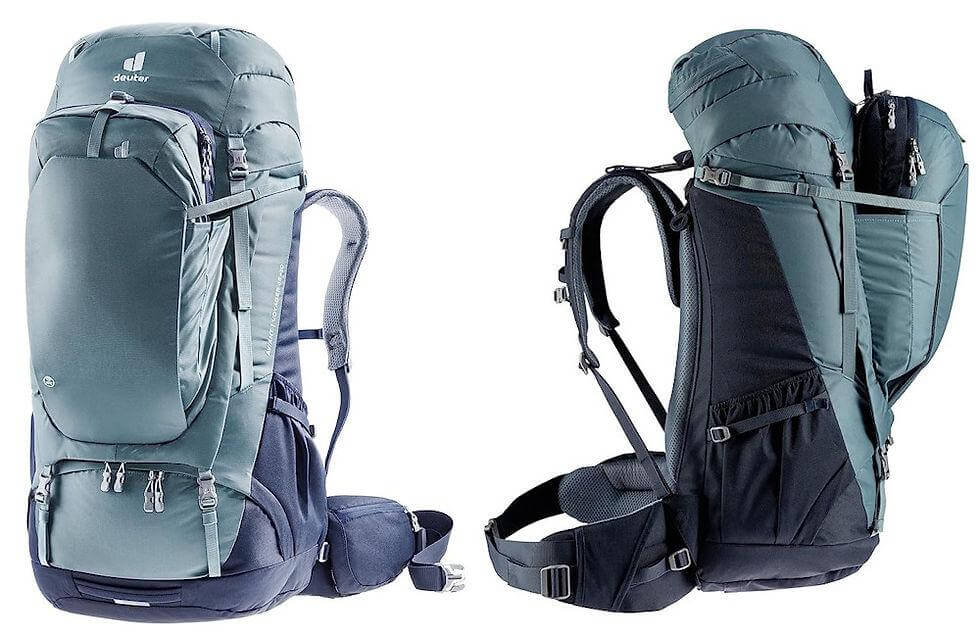
Don't assume that a mid-size pack can do everything. A 40–45-liter hiking pack can perform reliably on short, lightweight spring and summer trips. But its limitations become more apparent during winter camping, photography trips with bulky equipment, and flights with budget airlines.
If you spend roughly the same amount of time hiking and flying throughout the year, prioritize a mid-size pack with a controllable external profile. Alternatively, some outdoor enthusiasts prefer to own two separate packs: one designed for carrying heavier loads on the trail and another specifically designed for air travel.
Neither approach is inherently better. The right choice depends on how you actually travel and which activities make up the largest part of your year.
Outdoor brands and cross-border sellers often encounter the same problems with off-the-shelf backpacks. Advertised backpacking sizes may not match the actual usable storage space. A medium size backpack may provide the support needed for hiking but lack the streamlined shape required for carry on backpack size restrictions. Poorly designed expansion systems and awkward strap-storage solutions can make matters worse.
XINHUI Bag Factory specializes in custom outdoor backpacks. It calculates usable capacity according to the ASTM F2153 industry standard rather than inflating main-compartment capacity by including side pockets and expandable collars. Its mid-size backpack designs can be adjusted to suit different use cases. For air travel, the design can incorporate fold-away shoulder straps and hip belts. For mountain hiking, the internal frame and load-bearing hip belt can be reinforced.
The factory holds standard certifications for outdoor-product manufacturing and has fulfilled OEM orders for multiple overseas outdoor brands. Its design optimization takes real hiking and travel scenarios into account, helping address common problems such as excessive bulging during expansion and external dimensions that become difficult to control.
If you're a brand owner or seller struggling with backpack specifications or multi-purpose mid-size designs, consider discussing your requirements with XINHUI Bag Factory. Real-world sizing problems can be addressed during the sampling and prototyping stage, before production begins.
For individual outdoor enthusiasts, this article can also serve as a practical buying checklist. When comparing backpacks, look beyond advertised capacity and consider both usable internal volume and the pack's external dimensions when fully loaded.
FAQ
Q1: Besides capacity and external dimensions, what details are easy to overlook when choosing a mid-size pack for hiking and flying?
A: Pay attention to the placement of external attachment points. Attaching trekking poles or a sleeping pad to the outside of a pack can increase its overall width or depth. Whenever possible, choose a design that lets you store trekking poles inside the side pockets. This reduces protrusions and lowers the risk of exceeding airline baggage limits.
Q2: For two 45-liter hiking packs, what's the practical difference between a tall, narrow design and a short, wide one when packing for camping?
A: A tall, narrow pack keeps the load closer to your back, generally improving stability while climbing and walking on uneven terrain. However, it can be harder to fit a wide, bulky egg-crate-style sleeping pad inside. A shorter, wider pack makes it easier to load large, soft items horizontally, but its center of gravity may shift farther away from your back when fully loaded. This can make the pack sway more during long hikes in mountainous terrain.
Q3: Mid-size hiking packs advertised with "+5L" or "+10L" expansion features are common online. Should you keep the expansion collar fully open during everyday use?
A: For short hikes and lightweight camping trips, it's generally better to keep the expansion collar closed whenever possible. Leaving the roll-top extension open for long periods can place continuous tension on the fabric, causing it to stretch and deform. Over time, even after the extension is closed again, the pack may remain bulkier than it was when new, increasing the risk of exceeding airline baggage limits.
How to Test a webbing strap for a Reliable bag with strap
Related Article


