
How to Test a webbing strap for a Reliable bag with strap
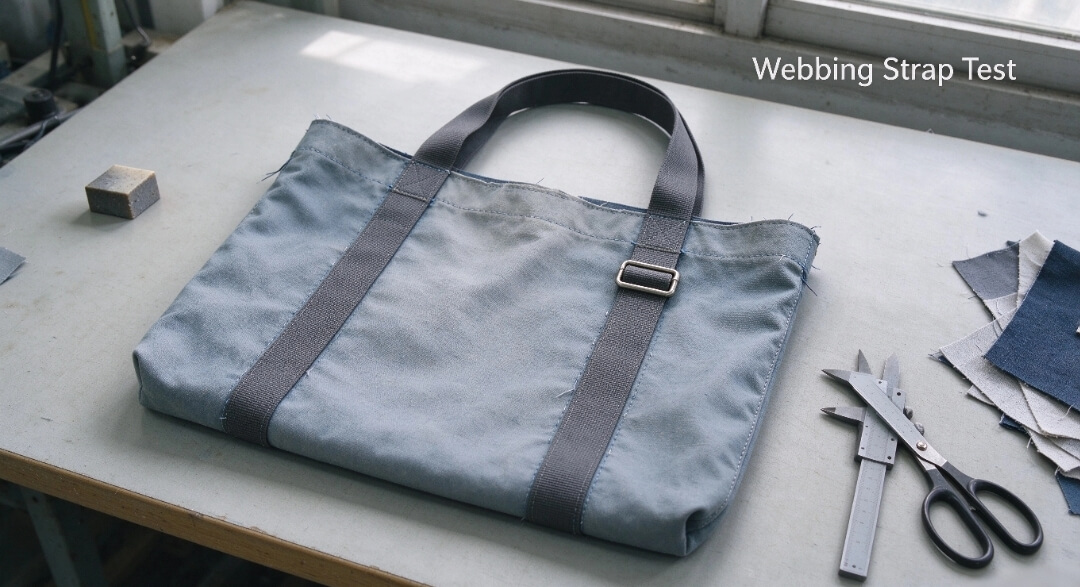
Last Wednesday, three senior pattern makers in our sample room stopped work at the same time while taking apart the 17th tote bag prototype. The webbing strap had passed tensile-strength tests and color checks, yet after a 5 kg laptop bag had hung from it for 24 hours, white fibers were already showing along the webbing near the buckle.
A colleague with 12 years of bag-sourcing experience put it simply: the tensile-strength rating of a single webbing strap cannot tell you whether the entire shoulder strap will hold up once it reaches the customer.
During follow-up visits to our retail stores, we found that 30% of negative reviews were related to small details of a bag with strap. Customers rarely complained that the webbing lacked tensile strength. Instead, they said things like, “The strap started slipping after two weeks,” “The webbing frayed around the buckle,” and “The strap shrank after one wash.”
Yet many brands developing a bag with strap still leave the clearance tolerances between the webbing and the hardware unspecified in their technical packs.
Why webbing straps for bags Fail in Real-World Use
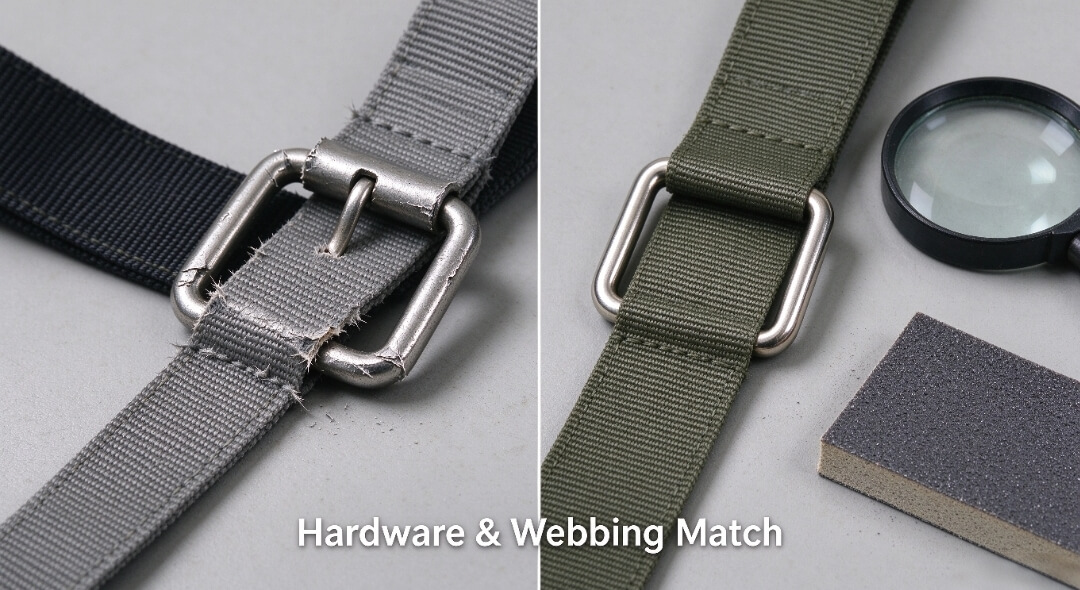
We reviewed nearly three years of export return records and found that 60% of orders returned because of webbing-related issues were not caused by webbing straps for bags failing to meet tensile-strength requirements. The real problem was that the webbing edges had not been properly finished where they contacted the hardware.
Burrs on the metal edges repeatedly rubbed against the webbing. Within just three months, this friction could wear through the entire strap.
When requesting samples from suppliers, don't test only short, cut pieces of webbing. Ask for a complete assembly of webbing straps for bags, with the actual hardware sewn in place. The tensile-strength reading from a short strip can differ significantly from the load-bearing performance of the finished strap after the buckle has been attached.
Choosing webbing straps for handbags That Hold Up After Washing
Many brands in the affordable luxury segment assume that webbing straps for handbags only need to match the bag's color and feel soft to the touch.
Last year, a shipment of webbing straps for handbags destined for Europe ran into trouble because the cotton webbing had not been pre-shrunk. After washing the straps just once, the customer found that they had shortened by 1.5 cm. The entire shipment was held at the port.
Here are three practical checks you can use during sampling.
1. Measure the Thickness of the webbing strap
Two webbing strips can both be 25 mm wide but have very different thicknesses. A strip that is 0.8 mm thick may not fit properly through a ladder-lock buckle with a 10 mm internal opening, leaving it jammed and unable to slide.
When specifying a webbing strap, don't list the width alone. Make sure the thickness is included in the technical pack as well.
2. Check the Edges of the Hardware
Run your finger around the buckle and check for rough edges or burrs. If you can feel a sharp edge at the cutout, the webbing may develop white, frayed edges after six months of use.
During sampling, run your finger around the entire buckle. If any edge feels sharp, replace the hardware before moving forward.
3. Test for Shrinkage Before Bulk Production
When selecting cotton or cotton-blend webbing, wash a small sample three times and measure the length before and after washing.
Any webbing with a shrinkage rate above 3% should be avoided for tote bags that need frequent washing. For webbing straps for handbags, confirming shrinkage performance early can help prevent costly returns and disputes after delivery.
Choose the Right Webbing for a Comfortable bag with strap
For summer commuter crossbody bags, avoid nylon webbing with an excessively smooth surface. When the user sweats, the strap can slide against the neck and shift around. After adjusting the shoulder strap, the user may take just a few steps before it starts loosening again.
Instead, choose webbing with a subtle twill texture. It provides enough friction to help keep the strap in place without slipping off the shoulder.
The same principle applies when sourcing webbing straps for handbags: color, softness, and appearance matter, but surface friction and performance in everyday use matter just as much.
Next time you sample a shoulder strap, hang the complete assembly—with all hardware sewn in place—on a load-testing rack. Apply a load that matches the expected everyday weight of the bag, leave it for 24 hours, and then remove it for inspection.
In our next article, we'll cover how to match webbing thickness to commonly used buckles and other hardware. We ran eight rounds of sampling before identifying the thickness ranges that worked reliably with the hardware we use most often.
How XINHUI Checks webbing straps for bags Before Production
Matching webbing, hardware, and stitching takes repeated checks during product development. At XINHUI Bag Factory, we validate the complete shoulder-strap assembly during the sampling stage rather than testing the webbing trim on its own.
We keep relevant BSCI and ISO qualification documents available and support customers who arrange third-party inspections. Our sampling lead time is 3–5 working days.
Before sampling is finalized, we confirm details such as webbing thickness, hardware clearance, and shrinkage requirements in the technical pack. This helps reduce after-sales issues in bulk production, including color inconsistencies, slipping shoulder straps, and fraying around the ends.
If you're developing a new bag or revising a shoulder-strap design, send us your technical drawing. We'll help check whether the webbing and hardware are compatible before production moves forward.
FAQs
Q1: Why does the same webbing work on a tote bag but slip on a small crossbody bag with strap?
A: It's not just a matter of webbing width. A small crossbody bag concentrates the load in a smaller area and often uses smaller hardware. If the webbing's surface friction and thickness don't match the buckle, the strap can slip. Always check thickness and hardware compatibility together rather than relying on width alone.
Q2: Why does the pattern on jacquard logo webbing turn white after several washes? Does that mean the material is poor quality?
A: Not necessarily. In many cases, the printed or jacquard surface has not received a suitable colorfastness treatment. Repeated washing and rubbing can then wear down the pattern. Before placing a bulk order, run a simple wash-and-rub test on a sample to check colorfastness.
Q3: If I want interchangeable shoulder straps for a bag, is matching the webbing width enough?
A: No. In addition to width, check how the webbing ends are reinforced and the internal opening of the hardware. If the reinforcement is too thick, the strap may not fit through a lobster clasp or D-ring even when the width is correct. For interchangeable webbing straps for bags, all these dimensions need to be compatible.
Find backpacking sizes that work on trails and flights
Find the Right ski boot bag for Easier Ski Trips
Related Article


