
Wine Pack Buying Tips That Prevent Costly Packaging Mistakes
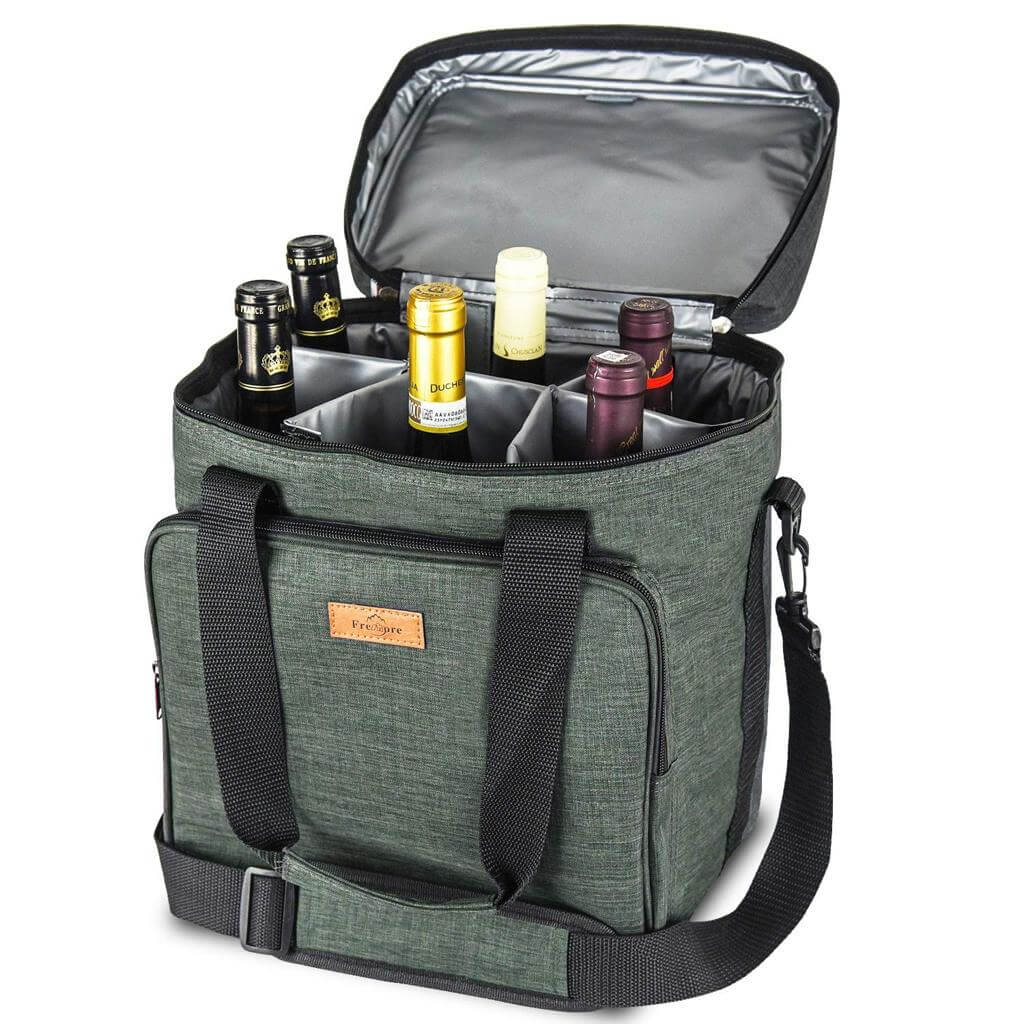
After work on Friday, I grabbed two bottles of wine, stuffed them into a bag, and headed to a friend's place for dinner. My first stop was the subway. As I walked, the two bottles knocked against each other inside the bag—thud, thud, thud. The noise was loud enough for the whole carriage to hear. I switched hands after passing through the ticket gates, and the handles dug into my palms. When I finally arrived at my friend's door and checked my bag, I realized I'd forgotten the corkscrew and the foil cutter from my wine accessories kit. In the end, I had to use my keys to cut through the bottle foil.
This everyday scenario highlights three terms you'll often come across on wine packaging and gift product pages: wine pack, wine set, and wine gift packs. Understanding the difference before placing an order can help you avoid half the problems that tend to come up later.
What's the Difference?
Let's start by clearing up the three terms, which are often used interchangeably on product listings.
Wine pack generally refers to a basic combination of a wine bottle and a carrying bag. Its main purpose is to make one or two bottles easy and safe to carry. The design is usually simple, making it a popular choice for holiday promotions, seasonal gifts, and party favors. One important detail: a wine pack typically does not include wine accessories. You usually get just the bag and the bottle.
Wine set refers to a collection of wine accessories, usually made from metal or wood. Common items include a corkscrew, foil cutter, wine pourer, and vacuum stopper. Some sets also include small wine glasses. When choosing a wine set, pay more attention to the accessories included and how they are stored than to decorative details.
Wine gift packs combine wine bottles, accessories, carrying bags, or gift boxes into a complete, ready-to-give package. With wine gift packs, you can purchase a finished gift without having to find a separate bag or additional accessories.
These three products serve different purposes and come with different costs. Choosing the wrong type at the purchasing stage can make later packaging adjustments much more complicated.
Wine Pack: Measure the Bottle Before Choosing a Bag
Most wine bags sold online are labeled as "single-bottle" or "two-bottle" styles, but many listings don't specify which bottle shapes they can accommodate.
A standard 750 ml wine bottle is approximately 30 cm tall, with a diameter of around 7–8 cm. Champagne bottles are wider, typically measuring 8.4–8.9 cm in diameter. An empty champagne bottle also weighs around 850–900 g, making it noticeably heavier than a standard wine bottle.
If you try to fit two champagne bottles into a regular double-bottle wine bag, the bag may become overstretched. The zipper might not close properly, and the extra weight can put too much pressure on the seams where the handles are attached.
Before placing an order, measure these three things:
-
Maximum bottle diameter: Measure the widest part of the bottle.
-
Overall bottle height: Measure from the bottom to the top, including the neck.
-
Longest accessory dimension: Corkscrews and foil cutters are generally 12–18 cm long.
The bag's internal height should be 3–5 cm greater than the bottle height to leave enough room for a soft top closure or drawstring. For a double-bottle bag, the internal width must accommodate both bottle diameters plus the thickness of the divider.
A 1.5-liter Magnum bottle belongs to a different size category. Don't assume a bag designed for standard bottles will fit it.
Wine Pack: Why the Inner Structure Matters More Than Appearance
When inspecting a wine pack, pay particular attention to two areas: the bottom support and the handle stitching.
If the handles are sewn only onto the fabric around the top opening, the weight of two wine bottles will be concentrated on a small area. The bag may look attractive when empty but become misshapen once loaded.
A better construction method is to extend the handles down to the bottom of the bag and reinforce the stitching with backstitching. A rigid baseboard or thick padded lining should also be added to help the bag maintain its shape when standing upright.
For bags designed to hold a wine set, separate storage space for accessories is essential. A front pocket, side pocket, or individual mesh compartment can keep the corkscrew and foil cutter organized.
Placing a metal corkscrew directly against a glass bottle is not a good idea. The constant movement during transportation can cause small cracks or chips in the glass.
There are two common storage designs:
-
Fixed foam inserts: Best for a specific accessory configuration, as each item has its own molded compartment.
-
Removable hook-and-loop dividers: More flexible and easier to adjust when the contents of the wine set change.
Wine bags also commonly use two types of inner lining:
-
EPE foam padding with an aluminum foil lining: Provides cushioning and passive insulation.
-
Nonwoven fabric or cotton lining: Mainly protects against dust and scratches, with no insulation function.
Wine Gift Packs: Choosing the Right Materials
More expensive materials aren't always the better choice. The right fabric depends on how the product will be used.
- Nonwoven fabric wine bags: Affordable and easy to print with promotional messages. Ideal for one-time exhibitions, supermarket promotions, and free gifts with purchases. However, repeated use can cause the fabric to stretch, fray, or lose its shape.
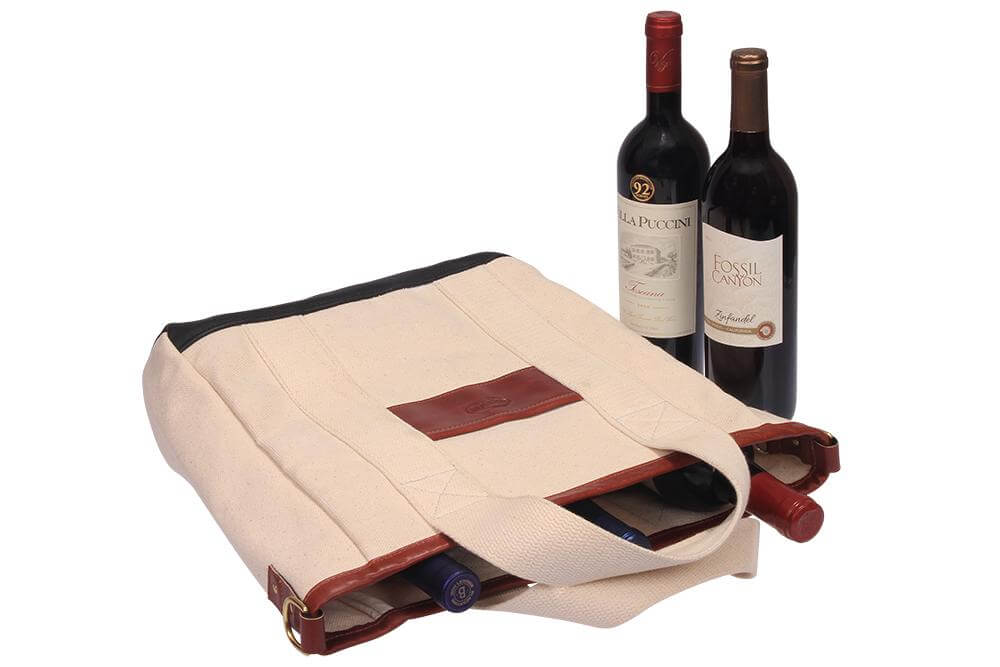
- Canvas and jute felt bags: Structured and durable enough to be reused as everyday shopping bags. They work particularly well for eco-friendly wine gifts and reusable gift packaging.
- Three-layer Oxford fabric construction: Combines a durable Oxford fabric outer layer, EPE foam padding in the middle, and an aluminum foil inner layer. The outer fabric resists wear, the foam provides cushioning, and the foil helps reflect heat. This design is suitable for carrying chilled wine to picnics or outdoor wedding receptions. For better temperature retention, use it with ice packs.
- PU leather business-style bags: Offer a clean, professional appearance, making them suitable for corporate events, annual company meetings, and client visits. Stitching quality and edge finishing are key factors in determining durability.
- EVA hard-shell bags: Feature a molded, rigid structure that protects bottles from external pressure. They are a good option for checked luggage and long-distance transportation.
Wine Pack Travel Bags: Check Airline Rules First
Under current Civil Aviation Administration of China (CAAC) regulations, alcoholic beverages cannot be carried in cabin baggage. They must be transported as checked baggage and comply with applicable packaging requirements.
Wine bottles should be packed with cushioning materials inside a wine bag or outer box. Use dividers to keep bottles separated and pack them upright.
Corkscrews also require some attention. Simple corkscrews without blades may be permitted in cabin baggage by some airlines. However, models with small foil-cutting knives or exposed metal blades are safer to pack in checked luggage. Always confirm the latest security requirements with the departure airport.
This directly affects your choice of wine tote. Even the most attractive carry-on bag won't help if the bottles or restricted accessories cannot pass airport security.
Wine Gift Packs: Give the Bag a Second Life
Many wine gift bags are discarded after the wine has been enjoyed. However, canvas and Oxford fabric bags can easily be reused.
Once the bottles have been removed, they can hold wine accessories, fruit, tableware, or picnic essentials. They're also handy for short trips and casual gatherings.
Jute felt bags can be repurposed for household storage, such as organizing small items or keeping keys in one place.
For wholesalers and custom packaging buyers, making reusability part of the product's selling points can create an additional reason for customers to purchase again or recommend the product to others. A bag that remains useful after the wine is gone offers more value than disposable packaging.
Wine Pack Buying Guide: 3 Steps to the Right Choice
For buyers sourcing wine packaging in bulk, following these three steps can make the purchasing process much easier.
Step 1: Define the intended use.
Decide whether you need a bag for bottles only, a bag that also carries wine accessories, or a complete ready-to-give gift package. These correspond to wine pack, wine set, and wine gift packs, respectively.
Step 2: Check the dimensions.
Measure the bottle diameter, bottle height, and accessory length. Don't rely solely on a product listing that claims to be "suitable for all standard double bottles."
Step 3: Inspect the construction quality.
Pay attention to these five details:
-
Whether the handles are stitched all the way down to the bottom.
-
Whether the baseboard is firm enough to support the bottles.
-
Whether the inner lining fits properly.
-
Whether the zipper tape has sufficient density and strength.
-
Whether the seams and corners are neatly stitched without skipped stitches.
During mass production, inspecting these five areas can significantly reduce product returns and exchanges.
Before preparing samples, bag manufacturers should also ask customers to provide actual bottle photos and a complete accessory list. This makes it easier to get the dimensions and internal structure right from the beginning, saving time compared with repeated sample revisions.
The right bag should fit the bottles securely, hold its shape, prevent bottles from knocking against each other during transportation, and remain useful after the wine has been enjoyed.
Details such as colors, printing techniques, and lining materials should be selected according to the target customer group. Testing an actual sample with the bottles inside is always more reliable than judging a product from ten listing photos.
Why Work with an Experienced Manufacturer?
Many wholesale buyers struggle to find a manufacturer that can accommodate sample fitting, adjust the inner compartments, and refine the bag structure to match their products.
Before finalizing a sample, we test the actual wine bottles and accessories provided by the customer. This allows us to check bottle compatibility, accessory placement, and available storage space before deciding on the dividers, baseboard, and reinforced handle construction.
Both the outer materials and inner structure can be customized according to the intended application. We have established sampling experience with promotional bags for exhibitions, premium corporate gift bags, and insulated wine bags for outdoor picnics.
If you already have specific bottle models and an accessory list, simply send them to us. We can prepare and test a sample before you confirm the bulk order, helping reduce unnecessary revisions and production costs.
Frequently Asked Questions
Q1: Can I modify a wine bag with a fixed foam insert to add a small wine glass or corkscrew later?
A: Molded, one-piece foam inserts offer limited flexibility for modifications. A practical solution is to add a small mesh pocket or flat accessory pocket with hook-and-loop fasteners next to the bottle compartment.
If the lining uses soft foam, it may be possible to cut and rearrange the dividers.
The easiest approach is to reserve a full-length side pocket before finalizing the bag structure. This allows additional accessories to be added later without changing the main compartment.
Q2: How can I use ice packs more effectively with an insulated wine bag?
A: Aluminum foil combined with EPE foam provides passive insulation, but it does not actively cool the wine.
For better results, freeze soft ice packs for at least eight hours before use. Place them on both sides of the bottle, avoiding the neck area. This helps prevent condensation from soaking the bottle label.
When temperatures are high, keep the journey as short as possible and refrigerate the wine as soon as you arrive.
This type of insulated bag works well for short outdoor trips and transfers between wedding venues. For long-distance transportation, a rigid insulated cooler is a better choice.
Q3: When ordering custom wine bags in bulk, where should I place the logo, and which printing method is the most durable?
A: The most common logo positions are the center of the front panel or just below the handle attachment points.
Different materials work better with different printing methods:
-
Canvas and nonwoven fabric: Screen printing is a cost-effective option for designs with a limited number of colors. It also offers good wear resistance.
-
Oxford fabric and PU leather: Heat transfer or embossed logo applications are suitable choices. Avoid applying excessive direct heat, as it can make the material stiff.
-
Dark-colored fabrics: Reverse-color screen printing or embroidered logos can provide better contrast and visibility.
Always confirm the actual fabric batch before finalizing the printing method. Dark fabrics can absorb ink unevenly, causing logos to appear faded or patchy.
Choosing the right printing technique from the beginning helps ensure consistent branding and a more professional finish across the entire bulk order.
Why Do Canvas Zipper Bags Fail? Avoid These Common Mistakes
Related Article


