
Choose a bowling bag that fits your locker and your gear
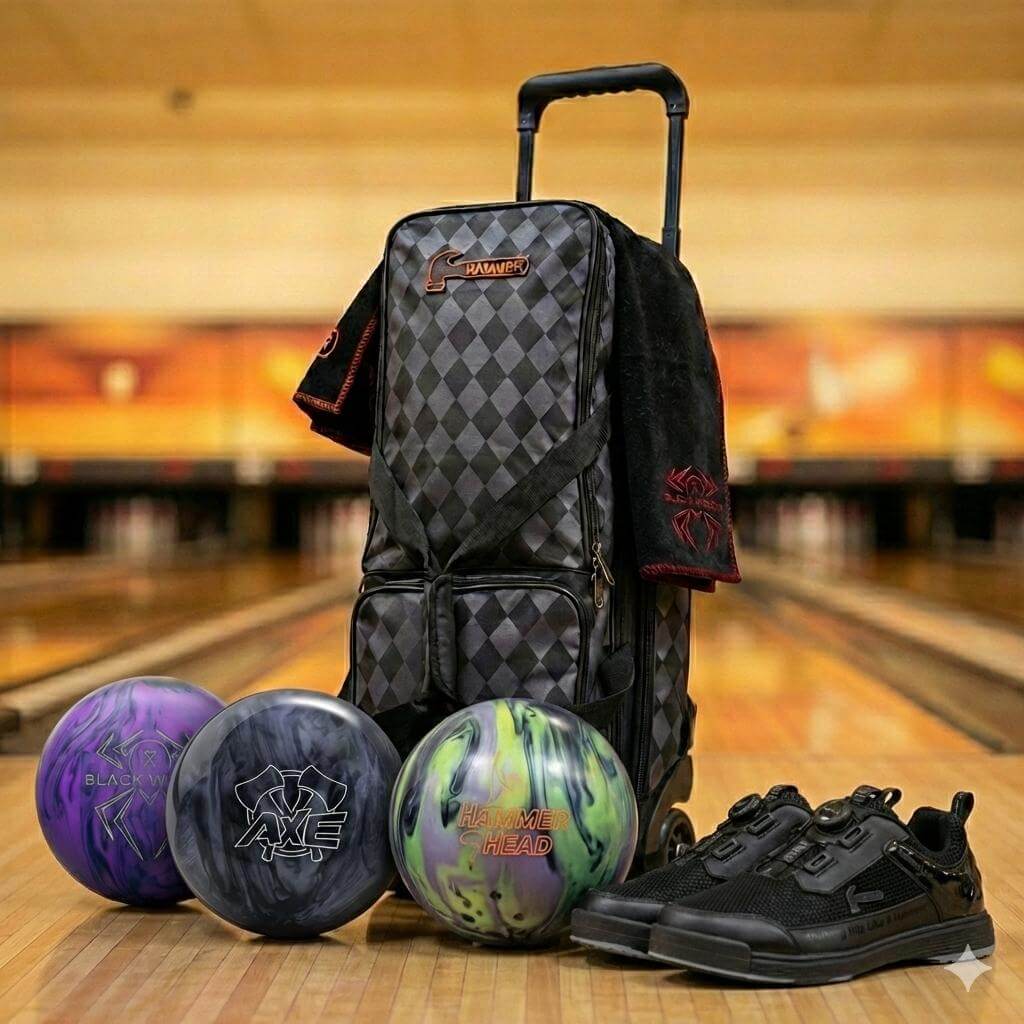
When league night ends, you head through the bowling alley parking lot carrying all your gear. Many bowlers buy tote bowling bags only to find their shoulders aching after a few weeks. Choosing a bowling bag based on appearance alone, without checking your storage options, can lead to problems. You might buy a 3 ball bowling bag only to discover that it won't fit in your bowling alley locker and has to be repositioned repeatedly to fit in your car trunk.
What to Look for in tote bowling bags
Product listings for tote bowling bags often advertise generous storage capacity. Some models claim to hold three bowling balls, but their bases lack reinforced panels. Once the bag is fully loaded, the weight puts constant strain on the seams. Bowlers who play in a league every week may carry more than 30 pounds of gear, gradually putting extra stress on their wrists, shoulders, and neck.
A 3 ball bowling bag also needs to be evaluated for its empty weight. Some three-ball bags take up considerable space even when they contain no equipment. Even if you take only two balls on a trip, the bag's overall dimensions remain the same.
Most commercial bowling alley lockers have an interior width of around 35–40 cm (14–16 inches). Full-size rolling three-ball bags often exceed this limit. Before buying a bowling bag, measure the length and width of the lockers at your regular bowling alley, then compare those measurements with the external dimensions listed on the product page.
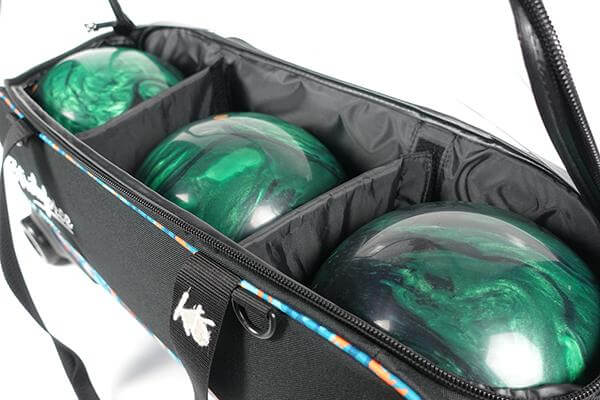
When choosing a carry-style bag, pay close attention to padded shoulder straps and molded ball cups inside the bag. Rigid ball cups help secure each ball and reduce the risk of the balls knocking against or rubbing against one another during transport.
Some bowlers try to save money by adding small wheels to an existing tote bag. However, standard carry bags are not designed or reinforced for towing. Adding wheels can make the bag unstable and prone to tipping, potentially exposing the bowling balls to damaging impacts.
If you regularly drive to and from the bowling alley, check how much space is available in your car trunk as well. If you have a history of wrist or shoulder injuries, try to minimize how often you carry heavy equipment by hand.
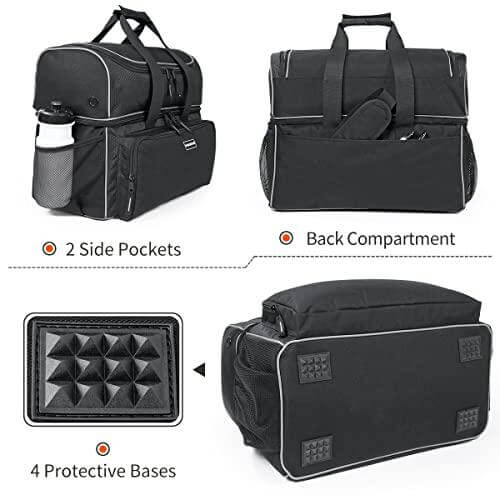
How to Choose a 3 ball bowling bag
Checking the dimensions and inspecting the bag's load-bearing structure can help you avoid most purchasing mistakes. However, bowling alley lockers are not built to a universal standard, so no single bag will fit every storage environment.
Ready-made options that meet proper load-bearing and reinforcement standards are limited. Many brands and sellers in the bowling equipment market want to develop tote bowling bags and three-ball equipment bags that address the real problems bowlers encounter, including weak base panels, poorly designed compartments, and unbalanced weight distribution.
During the sampling stage, load simulation tests help identify common problems before production, such as torn seams and deformed bases. For brands planning new product development or private-label products, XINHUI can discuss sample development and manufacturing requirements.
The final design should still reflect the target customers and the storage environments in which the bags will be used. There is no universal template that works for every bowler or every bowling alley.
FAQ
Q1: Do thicker fabrics make tote bowling bags more durable?
A1: Fabric thickness is only one factor in durability. Double stitching at stress points and a reinforced base panel often have a greater impact on how well a bag holds up over time. Even thick fabric can tear under heavy loads if the seams are poorly constructed.
Q2: How should I store a 3 ball bowling bag when it will not be used for a long time?
A2: Empty all compartments before storing the bag, and leave the zippers open to allow airflow. Avoid placing heavy items on top of the bag for extended periods, as this can deform the molded ball cups and prevent them from securely holding the bowling balls later.
Q3: Can I continue using a bowling bag if the mesh in the shoe compartment has a small tear?
A3: If the tear is small and away from load-bearing seams, you may be able to continue using the bag in the short term. However, the tear can spread over time, and moisture from damp bowling shoes may seep through the damaged mesh. Repair the tear as soon as possible to prevent the damage from spreading to the main body of the bag.
How to Source a Reliable Pencil Case and Avoid Costly Returns
Related Article


