
How a String Backpack Can Hurt Your Shoulders
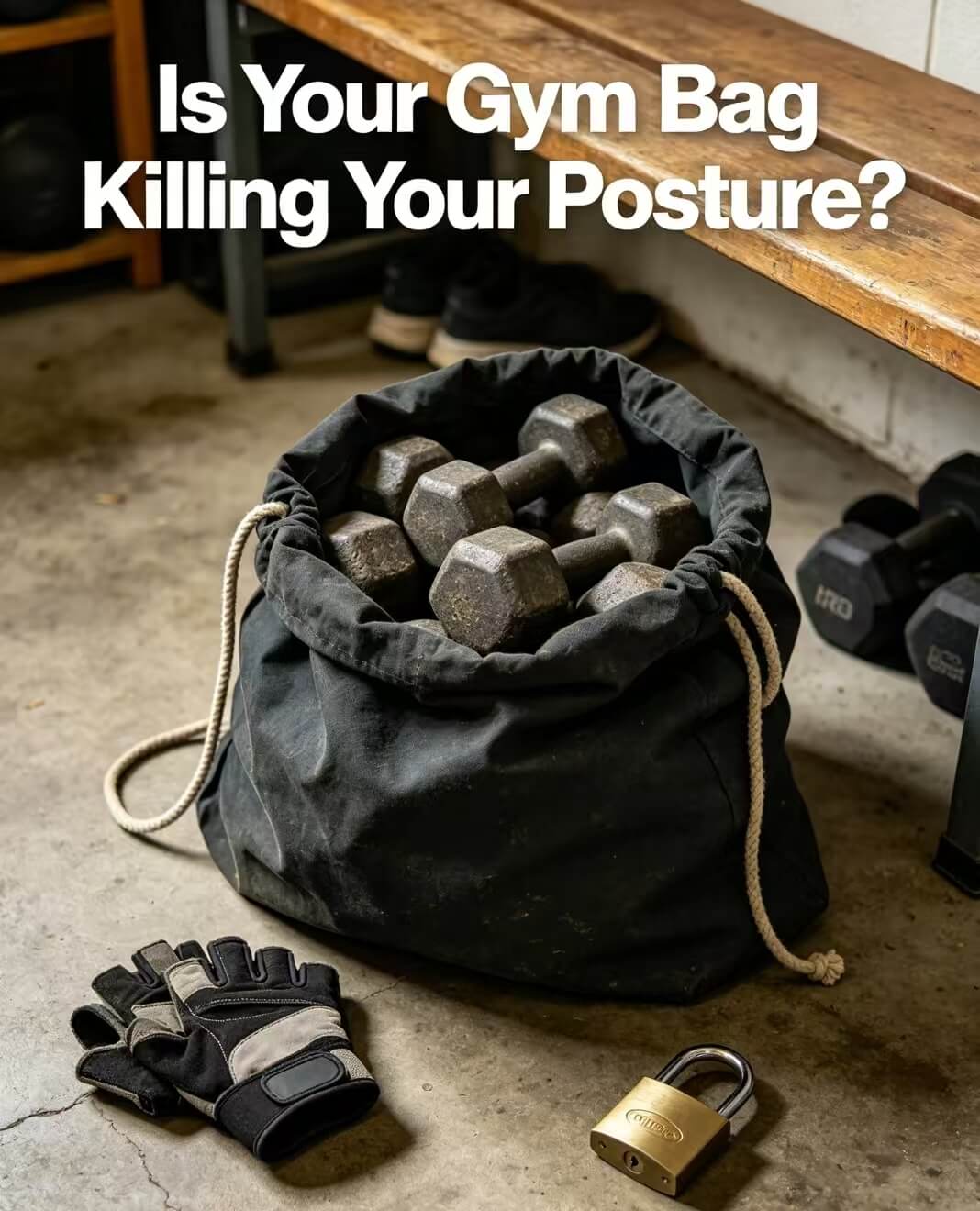
If you’re someone who frequents the gym, works on construction sites, or goes camping on weekends, you’re probably very familiar with string backpack,sinch sack, bag with string and drawsreing bag that can hould wight heavy duty. These items are cheap, spacious, and tough—true lifesavers when working out or carrying gear.
But have you ever experienced this: carrying a string backpack packed with 20–30 kg of stuff on the subway at night, only to get off and feel your collarbone ache like it’s been pinched by pliers, while your neck and back feel so stiff you can barely turn?
This isn’t because you’re weak or over-sensitive—it’s pure physics at work. Today, we’ll dive into this often-overlooked issue and share practical ways to ease the pain.
Why Your String Backpack Feels Like a Torture Device
The key here is a simple physics concept: pressure.
Professional hiking backpacks are designed with S-shaped shoulder straps, chest buckles, and waist belts. When loaded with tens of kilograms, the weight spreads like a waterfall, finally resting on the pelvis and sacrum—the strongest, most weight-bearing parts of the body.
In contrast, a typical sinch sack often has just two thin strings or a narrow canvas strap. Stuff a lot into your bag with string, and all that weight is concentrated on a tiny shoulder area. It’s like pressing a needle into tofu—the pressure skyrockets instantly.
Worse, many drawstring bag that can hold weight heavy duty use high-density Oxford fabric or uncoated canvas for durability, making the bag itself heavy. The strings are almost non-elastic, so every step you take turns your heavy load into a “pendulum,” yanking your shoulders downward. This doesn’t just pinch the flesh—it keeps your trapezius muscles tensed constantly, which becomes painfully uncomfortable over time.
Some people brush off the discomfort, thinking it’s nothing. But if your cinch sack is always overstuffed, ignoring it will eventually cause real problems. Here’s a rough guide to identify your current stage:
- Stage 1 (Mild): Red marks linger on your shoulders for a while after putting the bag down, with the skin feeling hot.
- Stage 2 (Moderate): The back of your neck feels rock-hard, turning your head may produce sounds, and sometimes even your temples throb.
- Stage 3 (Severe): Constantly carrying on one shoulder causes uneven shoulders, spinal strain, and even tingling in your fingers.
If you’re already at Stage 2, it’s time to rethink how you use your high-load string backpack.
How to Protect Your Shoulders with a String Backpack
You don’t have to give up your handy bag with string—just be smart about it. Here’s how:
1. Add Shoulder Padding
If the strings on your sinch sack are too thin, get a pair of thick sponge “shoulder pads” online for just a few dollars. They usually have anti-slip textures; slip them onto the strings, and the contact area expands, instantly easing pressure on your shoulders. No pads? Fold a thick towel or wrap a piece of old denim around the contact points—same effect.
2. Pack Smart
How you load your bag with string greatly affects shoulder strain. Never put your heaviest items, like protein tubs, dumbbells, or metal pieces, at the very bottom. This creates leverage that pulls the bag forward, forcing you to lean backward to balance. Instead, place heavy items near your back and higher up, while lighter items go outside or at the bottom. Keeping the weight close to your body ensures gravity pulls downward, not forward.
3. Carry Correctly
Even if your string backpack is designed to look cool on one shoulder, double shoulder use is safer for heavy loads. Two straps split the weight, cutting pressure in half. On long walks, switch shoulders every ten minutes to avoid overstrain.


We choose drawstring bag that can hold weight heavy duty because they’re durable and practical—not to have our bodies suffer. If you rely on your bag with string daily and still experience discomfort despite these tricks, consider upgrading to a cinch sack designed for heavy loads, featuring wider, padded straps and even chest buckles for extra support.
After all, your shoulders and spine will carry you through many years. What kind of bag do you usually carry, and do you have any secret tips for easing the load? Share them in the comments!
Why Most hot cold bags Secretly Ruin Your Food
Are Pull Bags Out of Fashion? 8 Surprising Uses
Related Article


