
Avoid Costly Mistakes When Choosing a pvc bag tote
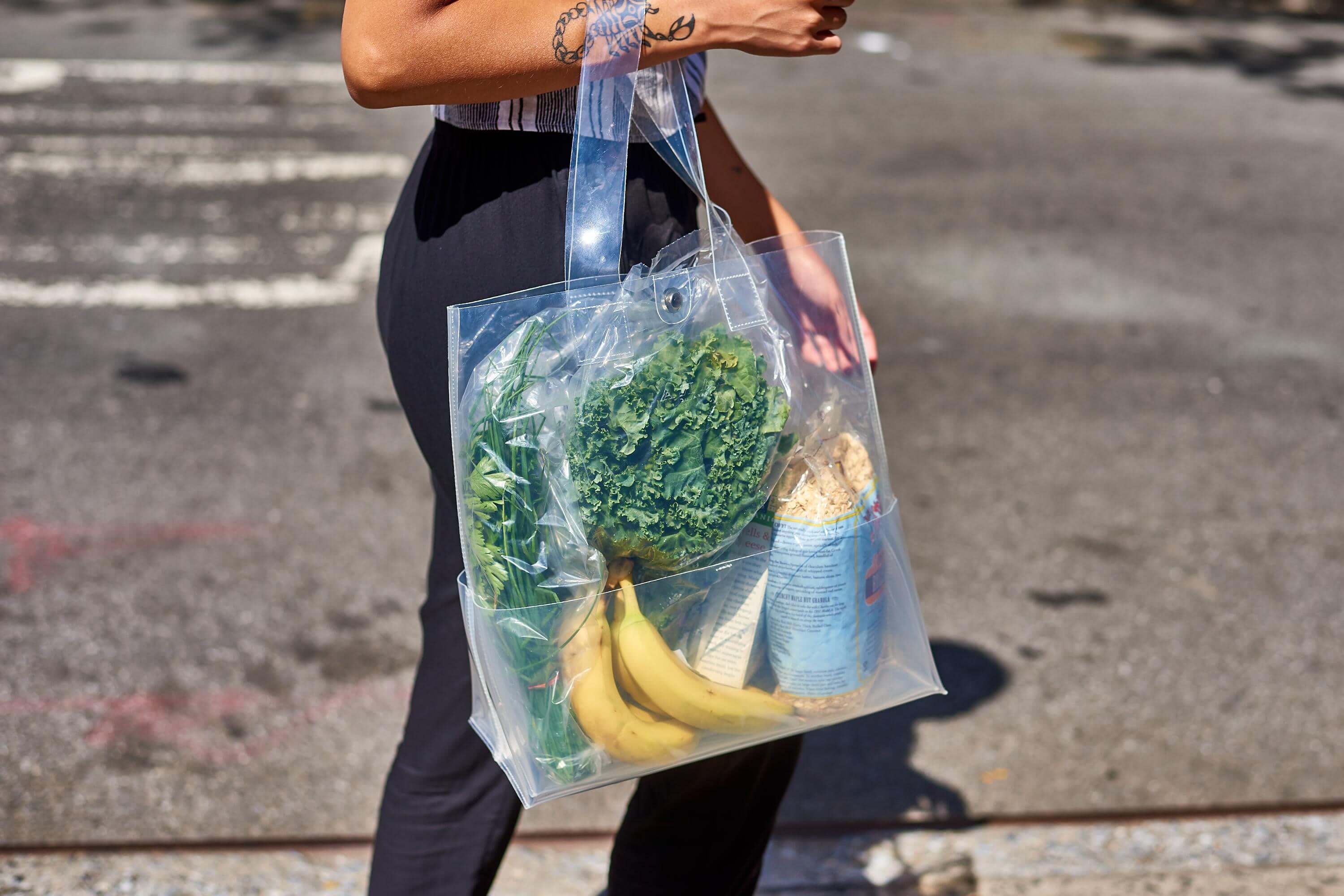
Ever been turned away at a concert entrance because you brought a canvas bag? Many venues only allow transparent bags that meet specific size requirements. Without checking the rules in advance, you could end up buying a pvc bag tote at the entrance just to get inside.
The problem is that many people don't understand the differences between a pvc bag tote, a clear pvc bag, and a waterproof pvc dry bag. They see that PVC is water-resistant and affordable, buy a bag, and only discover later that it doesn't suit their needs.
Use a clear pvc bag for concerts and events
The most common use for a clear pvc bag is getting through security at sporting events, concerts, and other large venues. Many venues overseas require bags to be transparent and no larger than 12 × 6 × 12 inches. A PVC bag that meets these requirements can generally pass inspection without any issues.
For this type of bag, transparency matters most. Since it won't be submerged in water or exposed to harsh conditions for extended periods, PVC is usually sufficient for short-term use.
However, PVC doesn't hold up well under prolonged direct sunlight. Leave the bag outdoors for too long, and the material may gradually turn yellow or develop a cloudy appearance, especially around creases.
Best uses for a pvc bag tote
A pvc bag tote is a practical choice for everyday shopping, casual outings, and short trips. Its smooth surface makes dirt and spills easy to wipe away, and it can handle light rain and water splashes.
That said, it isn't designed to carry excessively heavy items. Over time, the PVC film can stretch, causing the areas where the handles attach to deform. In cold weather, the material can also become stiff, making it more likely to develop whitish marks when bent.
If you need a bag for everyday errands and light storage, a pvc bag tote can offer good value. Just avoid overloading it or repeatedly folding it in low temperatures.
Why a waterproof pvc dry bag needs welded seams
A waterproof pvc dry bag is designed for water-related activities such as beach trips, rafting, and boating. Its main purpose is to help keep personal belongings away from water.
Here's a common misconception: PVC film itself can block water, but that doesn't automatically make the finished bag waterproof.
Bags made with stitched seams have needle holes that can allow water to seep through. For reliable protection during full submersion, look for a bag with properly heat-welded seams designed and tested for that level of waterproof performance.
Even with a quality waterproof pvc dry bag, you still need to think carefully about what you pack inside. Not every personal care product or liquid container is suitable for direct contact with PVC.
Which products can damage a pvc bag tote?
Sunscreen, makeup remover, essential oils, and other oil-based skincare products can interact with the plasticizers in PVC when they come into contact with the material's surface.
This may leave a cloudy white film that won't wipe off. In more severe cases, the surface can become sticky and attract dust.
Perfume and acetone-based nail polish remover can also damage the PVC surface.
When packing for water-related activities, place these products in separate small pouches rather than letting their bottles sit directly against the inside of your PVC bag. This simple precaution can help prevent surface damage and extend the bag's usable life.
How to Choose the Right PVC Bag for Your Needs
The choice becomes much easier when you start with your intended use.
-
Concerts and sporting events: Choose a clear pvc bag that meets the venue's transparency and size requirements.
-
Daily shopping and storage: Choose a pvc bag tote if you want a practical bag that's easy to wipe clean.
-
Beach trips, rafting, and boating: Choose a waterproof pvc dry bag designed to keep your phone, clothes, and other essentials protected from water.
When PVC Bags May Not Be the Best Choice
PVC bags aren't ideal for every environment. Consider a different material if you plan to leave the bag in direct sunlight for long periods or use it continuously in very cold winter conditions. These environments can accelerate aging and cause the material to become brittle, stiff, or discolored.
Repeated, prolonged exposure to seawater can also speed up surface deterioration.
If you need a bag that resists yellowing and stays flexible in low temperatures, another material may be a better fit.
The key is to assess the intended use and environment before choosing a bag. PVC can offer excellent value when matched to the right application, but the wrong choice can lead to cosmetic damage or loss of functionality in a relatively short time. Ultimately, the best option depends on where you'll use the bag and what you'll carry in it.
Find a pvc bag tote manufacturer at XINHUI
Looking for a reliable manufacturer and direct supplier? XINHUI Bag Factory has extensive experience producing these types of PVC bags, including pvc bag tote styles, clear pvc bag designs, and waterproof pvc dry bag products.
We understand the differences in material selection and manufacturing processes for everyday PVC bags and waterproof bags. Based on your intended application, we can recommend a suitable PVC thickness and adjust heat-welding or sewing processes to meet your requirements.
Third-party laboratory test reports are available for our PVC materials to help verify compliance with applicable REACH requirements and California Proposition 65 limits, reducing the risk of export compliance issues.
We also offer custom manufacturing based on your drawings or physical samples. Sizes and logo printing can be customized, and we accept both small and large orders.
During the sampling stage, we help assess potential material limitations and identify common risks, including yellowing, water leakage, and sticky surfaces, before mass production begins.
Not sure which material or manufacturing process is right for your product? Contact us for recommendations tailored to your application.

FAQ
Q: What documents should I request when buying PVC bags without phthalate-free certification in China?
A: Ask the supplier for a test report confirming that the relevant phthalate levels meet applicable REACH requirements and California Proposition 65 limits. The report should be issued by a qualified third-party laboratory.
Q: Will rinsing sand off a PVC bag with water damage it?
A: Rinsing the bag with clean water alone won't damage the PVC. Avoid rubbing sand off with a dry cloth, as the particles can create fine scratches. Over time, these scratched areas may be more prone to clouding and yellowing.
Q: Will the printed logo on a PVC bag come off if the bag is submerged in water?
A: It depends on the printing method. Standard screen printing may gradually wear away with exposure to water and repeated friction. High-frequency heat-transfer printing can withstand short periods of water exposure without peeling, although prolonged sunlight can still cause the colors to fade.
Can You Wash scent proof bags?
Related Article


