
Can smell proof bags really keep odors in?
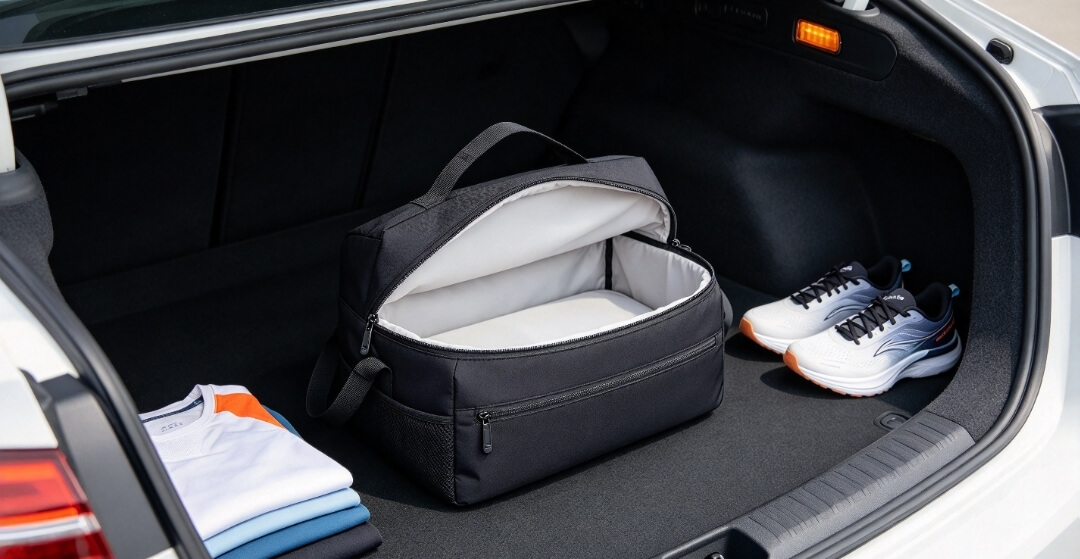
After a weekend workout, you toss your sweat-soaked gym clothes into your bag and leave it in the car for your commute. When you open the car door after work, the smell has spread throughout the vehicle. To solve this problem, many people shop for smell proof bags and come across products labeled stash bag or odor proof bags.
Many product listings bundle all three terms together. But buyers often discover the hard way that even when a bag looks perfectly fine, odors can still seep out.
What a stash bag Actually Does
A stash bag is simply a type of storage pouch. The name itself does not mean the bag has odor-control capabilities. Many products sold as a stash bag are designed for appearance and basic storage, with no built-in odor-blocking features. In practice, they offer little more than an ordinary storage pouch.
How smell proof bags and odor proof bags Work
smell proof bags typically contain an activated-carbon layer inside. They rely on both the fabric as a physical barrier and activated carbon to absorb odor molecules.
By contrast, odor proof bags use a dense film to physically block odors. They do not contain an absorbent layer; instead, they work by preventing odor molecules from passing through the material.
Because these two designs work differently, they are suited to different uses. For damp gym clothes, a bag with an activated-carbon layer is generally the better choice. For dry items stored away from light, a film-based barrier may be sufficient.
How to Test smell proof bags in 5 Steps
You don't need professional testing equipment to check whether a bag delivers on its odor-control claims. Once your order arrives, a few simple visual inspections and hands-on checks can help you assess its construction in five steps.
1. Check the Zipper
Zip the bag completely closed and carefully inspect where the zipper teeth meet. Ordinary zippers often leave small gaps that allow odors to escape.
A well-made odor-control bag should have tightly aligned zipper teeth and an intact rubber sealing strip, with no obvious gaps. Some bags look stylish but still use standard zippers, which can significantly reduce their ability to contain odors.
2. Inspect the Seams
Turn the bag inside out and examine every stitched joint. If the seams are simply sewn together with exposed needle holes, odors may escape through these tiny openings.
Well-designed products use sealed or reinforced seam finishes to reduce potential leak points.
3. Examine the Inner Lining
Open the bag fully and inspect the inside. Some low-cost products simply print a gray pattern on the lining. The material feels like ordinary fabric and contains no activated-carbon layer.
A bag with genuine carbon-based odor control should have a separate composite layer integrated into the lining, rather than just a printed design.
4. Check the Weight of the Empty Bag
Compare bags of similar size. If one feels unusually light and flimsy, its lining may lack the necessary materials.
Odor-control bags often contain an additional barrier film or carbon pad, giving them a more substantial feel than an ordinary thin fabric pouch.
Weight alone is not proof of performance, but it can help you spot products that may have cut corners on materials.
5. Try a Simple Odor-Containment Test
Place an item with a noticeable odor inside the bag, seal it completely, and leave it closed for several hours. Then carefully check the outside of the bag for any detectable smell.
A well-performing product should have little to no noticeable odor detectable from a distance. If you can readily smell the contents through the closed bag, its odor-containment performance may fall short of what was advertised.
These five checks can help you screen out many storage bags with exaggerated odor-control claims.
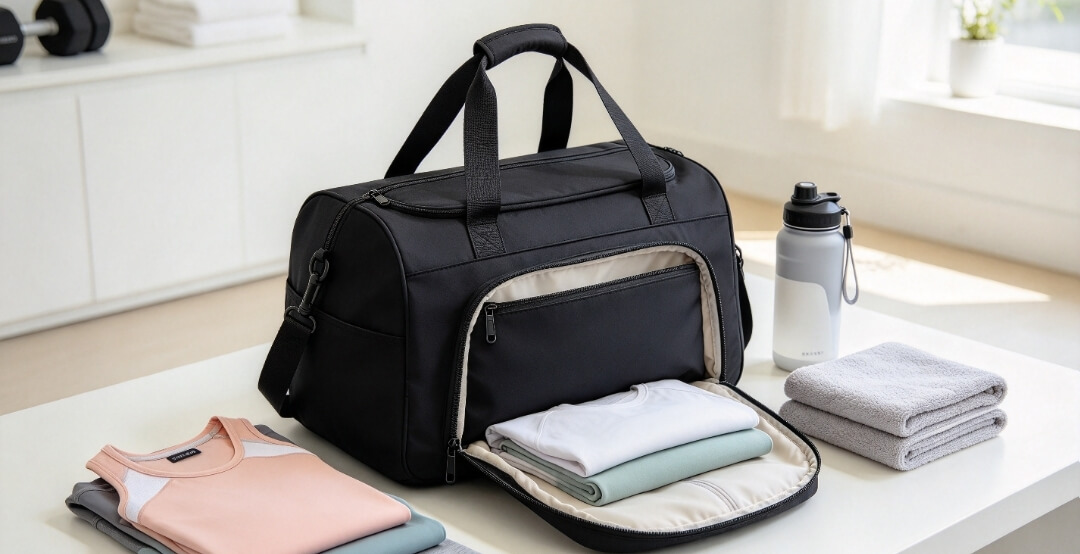
What smell proof bags Can't Guarantee
Even if a bag passes all five checks, it cannot guarantee complete odor elimination. Storing strong-smelling items for too long or overfilling the bag and putting pressure on its body can still allow odors to escape.
The realistic goal is to reduce the spread of odors, not to eliminate every possibility of leakage.
What Brands Should Check
International sellers and brands often run into the same problems when developing odor-control storage products. A batch of smell proof bags may pass testing at the sample stage, only for the bulk production run to show inconsistent zipper quality or seam finishing. The result can be a high volume of customer returns.
Every detail matters, from the fabric and carbon layer to the seam sealing and airtight zipper system. Small manufacturing inconsistencies can have a significant impact on how the finished product performs.
With extensive experience in custom functional bags, XINHUI Bag Factory has seen many products fail because critical manufacturing details were not properly controlled. The factory specializes in discreet storage bags and incorporates often-overlooked details—such as seam sealing, airtight zipper compatibility, and laminated lining construction—into its routine quality-control process.
XINHUI supports ODM and OEM development based on customer samples or technical drawings. Physical samples can be produced first, allowing customers to carry out the five checks described above and evaluate the workmanship before bulk production begins.
The factory also has BSCI and ISO 9001-related compliance credentials and can help provide third-party test reports for relevant materials to support overseas marketplace requirements.
Whether you're developing a stash bag, an activated-carbon odor-control pouch, or a film-based barrier bag, XINHUI can help you evaluate material combinations and optimize the construction to avoid common design flaws found in the market.
If you're looking for a reliable source for custom bag manufacturing, contact XINHUI Bag Factory to discuss samples and evaluate your project requirements.
FAQs
Q1: Can smell proof bags store damp items in a sealed bag for long periods?
A: Long-term storage of damp items in a sealed bag is not recommended. Trapped moisture can accumulate in the lining, potentially damage the absorbent layer, and shorten the bag's service life. Whenever possible, let damp items dry completely before storing them.
Q2: Why do odor proof bags vary so much in price? Is a thicker bag always better?
A: Thickness alone is not a reliable indicator of quality. Some thicker bags simply use heavier outer fabric while containing a very thin barrier film inside. Zipper construction and seam sealing often have a greater impact on odor containment than fabric thickness alone.
Q3: Can I put a regular canvas tote around my stash bag to improve odor control?
A: Using two bags does not necessarily improve odor containment. Ordinary fabric can absorb odors, so if even a small amount escapes from the inner bag, the outer canvas tote may pick it up. You may still notice the smell when you open the two bags.
Choose a durable tool bag by checking these strap details
Related Article


