
Why Does Your pvc bag Age So Fast? Avoid These Mistakes
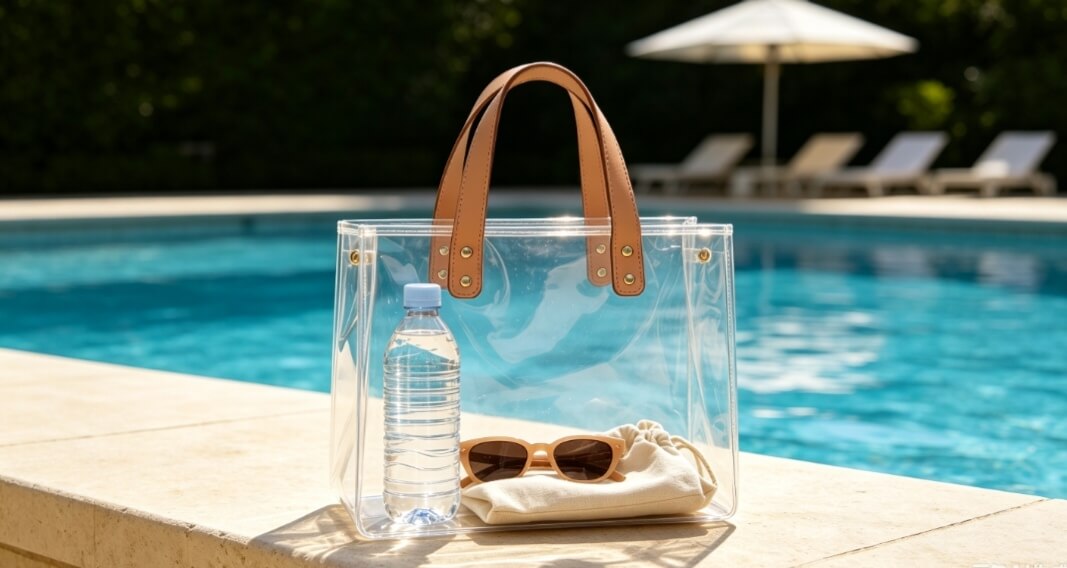
Many people give their pvc bag a quick wipe after every use, thinking regular cleaning will keep it looking new. Yet the bag may still turn yellow, become cloudy, develop creases, or even feel sticky within a short time. These are some of the most common care mistakes. What seems like proper cleaning may actually be damaging the material little by little.
Popular tote bag pvc styles have become everyday essentials for commuting and travel thanks to their water resistance, lightweight feel, and structured shape. But while one person may use the same type of PVC tote for two or three years and still keep it clear and clean, someone else may see their bag become dull and aged within just a few months. The key difference is not necessarily how often the bag is used, but whether its care routine matches the characteristics of pvc material for bags.
Many general cleaning guides only cover basic dirt and yellowing, overlooking the specific weaknesses of PVC. They also fail to distinguish between matte and glossy PVC surfaces or explain how to deal with common stains and compression damage. That is why following a generic cleaning tutorial does not always produce good results.
Pvc bag Deep Creases and Compression Damage
One of the easiest problems to overlook is deep creasing caused by compression. Stacking items during storage, placing heavy objects on the bag, or folding it for long periods can create stubborn creases in a pvc bag. Unlike light surface marks, deep creases penetrate further into the material and cannot simply be removed by wiping or leaving the bag to rest naturally.
PVC itself has relatively poor stability under extreme temperatures. In cold conditions, the material becomes harder and more brittle. If it is bent or compressed at this point, the crease can become permanently set within the material rather than springing back.
Online advice often recommends using heat or forcefully pulling the bag back into shape. These methods can do more harm than good, causing deformation or surface cracking and potentially ruining the bag altogether.
A safer approach is to leave the bag at room temperature and allow it to gradually recover, while gently smoothing the surface by hand. This may reduce shallow creases, but deep, whitened, or long-standing creases are signs of structural damage to the material and cannot be completely removed.
Beauty Product Marks on tote bag pvc

Another common issue is residue from beauty products. During summer travel, sunscreen sprays, perfume, and other products can leave fine droplets on the surface of a tote bag pvc, resulting in irregular cloudy marks or water-like stains.
These marks are not ordinary dust or dirt. Alcohol, oils, and fragrance ingredients found in skincare and perfume products can gradually affect the protective surface layer of PVC. Simply wiping with soap and water may not remove the marks completely, while repeated rubbing can leave the surface looking scratched or dull.
Fortunately, no special tools are required. Room-temperature water and a mild hand soap are usually enough.
First, place a slightly damp, soft cloth over the affected area and leave it there for about one minute. This helps soften the residue on the surface. Then gently wipe in a single direction instead of rubbing back and forth. Finish by drying the area with a clean microfiber cloth.
Avoid alcohol wipes and makeup remover. These products can accelerate deterioration of the protective surface layer, making the bag cloudy or yellow more quickly.
Remove Oil Stains From a pvc bag
Another less-discussed problem is food and cooking oil that has penetrated the surface. Snacks, takeaway food, and other everyday items can leave small amounts of oil on a pvc bag. If the residue is not cleaned promptly, it may gradually work into the surface and create dark or yellowish greasy marks.
Unlike oil sitting on top of the material, this type of embedded stain is much harder to remove with ordinary cleaning.
For stubborn oil marks, you can try a small amount of baking soda mixed with water to make a smooth paste. Apply a thin layer to the stained area and leave it for about two minutes. Then gently wipe in small circles with a soft cloth. Once the stain is removed, use a damp cloth to wipe away any remaining baking soda and dry the area thoroughly.
Do not scrub aggressively. Excessive friction can wear down the PVC surface. This method is generally suitable for conventional pvc material for bags, provided that the surface is handled gently.
Matte vs. Glossy pvc material for bags
Many failed care routines come down to one simple mistake: not recognizing the difference between matte and glossy PVC.
Both use PVC as their base material, but their surface finishes are different. Using the same cleaning method on both can cause irreversible damage.
Glossy PVC has a smooth, relatively dense surface and generally offers better resistance to light friction. It can tolerate gentle spot cleaning for stubborn stains, and wiping with lukewarm water and mild soap is usually appropriate.
Matte PVC, by contrast, has a fine textured finish that can hold onto dirt more easily. It also lacks the same smooth protective surface found on glossy PVC, so excessive friction can quickly leave white marks or scuffs.
For a matte tote bag pvc, use only an extremely soft cotton cloth and wipe gently. Avoid powders, abrasive cleaners, and repeated circular rubbing.
Choose Better pvc bag Materials

Cleaning is only part of proper care. Choosing the right bag and preparing it before first use can also make a significant difference to its lifespan.
When buying a pvc bag or tote bag pvc, look for a product with an even material thickness and an intact surface coating. Low-quality PVC may contain unstable additives, and plasticizers can migrate to the surface more easily. This can lead to stickiness and yellowing after relatively little use, making such bags a poor choice for long-term everyday use.
The environment matters, too. PVC bags are not ideal for prolonged exposure to intense heat and sunlight, consistently damp environments such as bathrooms and kitchens, or extremely cold outdoor conditions. These situations can significantly accelerate material aging.
When a new bag arrives, avoid using it immediately. Give it some time in a well-ventilated area to release any manufacturing odors. Check the handles, seams, hardware, and other high-stress areas as well. Catching potential problems early can help prevent damage, loose components, or adhesive failure later on.
What pvc material for bags Can Prevent
With the right cleaning, repair, and storage habits, you can significantly slow down the aging of PVC bags and avoid many of the most common care mistakes.
However, pvc material for bags has natural limitations. Slight yellowing and gradual hardening after years of use are normal signs of material aging. No cleaning routine can prevent them completely.
The goal is not to keep a PVC bag looking brand-new forever. It is to avoid unnecessary damage and help the material stay in good condition for as long as possible.
FAQ
Q1: Why does a pvc bag become sticky when stored in a sealed bag for a long time?
PVC contains plasticizers, and a sealed, poorly ventilated environment can encourage these substances to migrate toward the surface. As they accumulate, the pvc bag may become sticky and attract dust.
For everyday storage, keep the bag somewhere ventilated and avoid sealing it in an airtight storage bag for long periods.
Q2: Can slight color transfer on a tote bag pvc be safely removed?
Light surface-level color transfer may sometimes be reduced with a mild cleaner and gentle wiping at room temperature. If the transferred color has already penetrated the material, however, it cannot be completely removed.
In that case, focus on gentle routine care and avoid further friction that could spread or worsen the discoloration.
Q3: How often should I clean my pvc bag?
You do not need to wipe your pvc bag repeatedly throughout the day. For ordinary dust, a quick wipe with a dry, soft cloth is enough. If a stain or mark appears, clean the affected area as soon as practical.
Over-cleaning can repeatedly wear down the protective surface layer, which may actually make the bag age faster.
Your tote pvc Bag Safe to Use Right After Unboxing?
Are Corduroy Bags Really Better With Zippers?
Related Article


