
How to Protect Your Margins with non woven bags wholesale
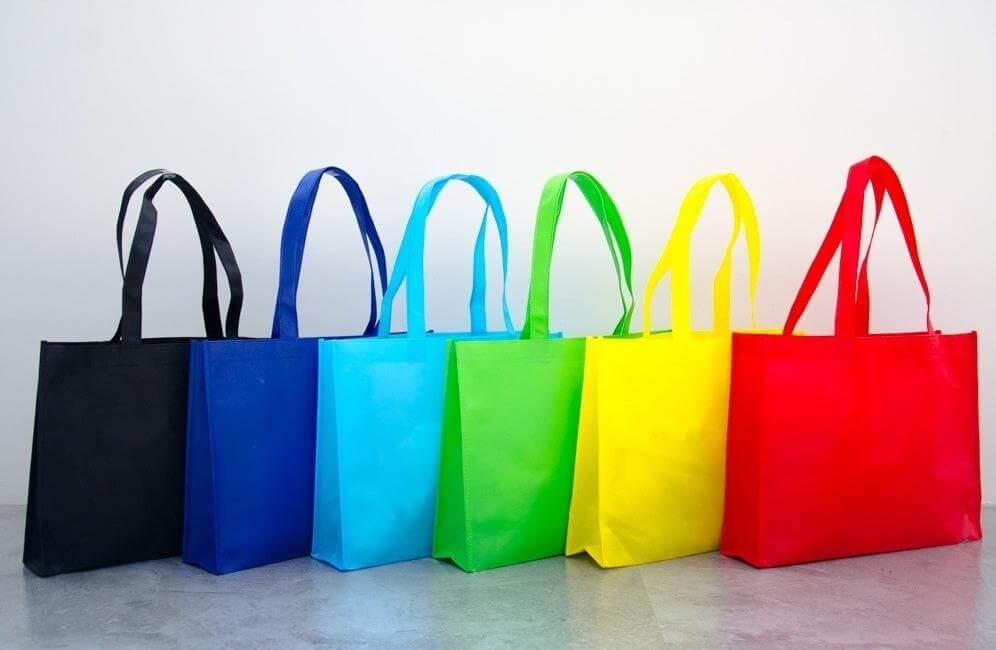
Unreliable suppliers can quickly wipe out the profit margins of a promotional bag resale business.
Low prices on comparison websites may look attractive, but problems often surface when bulk orders arrive. The actual fabric weight may be lower than advertised, printed designs may rub off, or the raw materials may fail to meet EU regulatory standards. Entry barriers in this industry are relatively low, so established manufacturers with their own production lines, trading companies that simply pass on orders, and small subcontractors all compete in the same market. For resellers targeting Europe, telling them apart at first glance can be difficult.
When screening suppliers, don't focus too heavily on paid advertising placements on B2B platforms. Industry-specific sourcing platforms, local European business networks, and targeted referrals from industry contacts offer very different types of suppliers. Paid listings tend to have a higher proportion of intermediaries, while registered manufacturers found through business networks are more likely to connect you with genuine producers experienced in exporting to the EU.
How to Verify a non woven bag manufacturer
The first step is to check the company's business registration details. Make sure its registered business activities include manufacturing. If the listed activities only mention distribution, import, or export, the company is most likely acting as a trading intermediary.
However, some businesses use registered addresses that are not their actual production sites, so documents alone are not enough. Ask for a live video factory tour rather than a prerecorded promotional video. Request a close-up view of the raw material storage area, cutting stations, printing equipment, and quality inspection area. Ask the supplier to show the labels and production batch numbers on the fabric rolls.
An intermediary is unlikely to have the actual materials from a specific production batch ready for an on-the-spot inspection. This makes a live factory walkthrough one of the most cost-effective ways to identify genuine manufacturers.
When you receive a quotation, break down every additional charge instead of focusing only on the unit price. Common hidden costs include screen printing setup fees, color separation charges, reinforced cartons, and packing materials. Many suppliers deliberately quote a very low base price and then add these charges separately, eating directly into your resale margins.
Choose the Right non woven bags wholesale Supplier
non woven bags wholesale is generally better suited to promotional campaigns, trade shows, and short-term in-store marketing. A non woven bag manufacturer can handle smaller sizes and custom orders featuring multiple designs. A pp woven bag manufacturer is typically better suited to heavier-duty orders for agricultural supplies, building materials, and other applications requiring greater load-bearing capacity.
European businesses continue to purchase non-woven bags for several practical reasons:
-
Lightweight construction: Reduces the overall shipping weight and logistics costs of bulk orders.
-
Large printing area: Provides enough space to display brand logos, promotional messages, and campaign information clearly.
-
Recycling considerations: Makes it easier for businesses to demonstrate their commitment to sustainability while meeting applicable local requirements.
-
Consistent production lead times: Helps businesses prepare for time-sensitive promotional campaigns.
When sourcing non woven bags wholesale, ask the non woven bag manufacturer which printing processes its existing equipment can support. Different printing machines are compatible with different types of ink, which directly affects how well the finished print resists rubbing and wear.
For a pp woven bag manufacturer, separately confirm the tensile strength specifications of the woven base material to make sure they meet your downstream customers' loading requirements.
Balance Stock Orders and Custom Orders
The flexibility of a resale business comes from managing ready-stock products and customized orders separately.
Ready-stock bags usually have lower MOQ requirements and require no printing plate setup time, making them ideal for testing new products quickly. Custom bags, on the other hand, allow you to fulfill orders featuring customers' logos and offer greater markup potential. However, they generally come with stricter minimum order requirements.
For standard single-color screen printing, the typical industry MOQ is around 500 pieces. If the order falls below this quantity, the factory has to spread its printing plate setup and machine operating costs across fewer units, which can significantly increase the unit price.
EU Compliance for non woven bags wholesale
Compliance documentation is an important risk management issue that resellers targeting the European market can easily overlook.
The EU Packaging and Packaging Waste Regulation (PPWR) is scheduled to apply from August 2026. These types of packaging bags fall within its regulatory scope, with specific requirements covering heavy metal limits, recycling labels, and Extended Producer Responsibility (EPR) registration obligations.
You don't necessarily need to arrange independent testing yourself, but your supplier should be able to provide relevant material test reports and declarations of conformity for the products supplied. These documents can then be passed on to your downstream buyers.
Always verify certificates through the issuing organization's official website and make sure the company named on the certificate matches the supplier you are signing the contract with.
Quality Testing for non woven bags wholesale
During the sampling stage, arrange comparative tests rather than evaluating just one supplier's product.
Request samples from two or three suppliers in the same specifications and compare them side by side. Check the weight, rub the printed surface with a dry cloth, and pull on the stitched areas to assess their strength.
At the same time, agree on the sample fee refund or deduction policy in advance. Keep a written record of the terms, including the minimum order value required for the sample fee to be credited. This prevents disputes when a subsequent order fails to meet the agreed conditions.
Once you decide to move forward, include AQL sampling inspection standards in the contract. Clearly specify the replacement or deduction arrangements if the defective product rate exceeds the agreed limit.
By building stable relationships with non-woven bag producers and woven bag factories, you can develop a reliable supplier network with transparent pricing and consistent quality, making it easier to handle promotional bag resale orders over the long term.
Why Work with XINHUI Bag Factory?
XINHUI Bag Factory has years of experience in bag manufacturing and understands the regulatory requirements of the European market. The factory can provide a complete set of supporting documents, including REACH documentation, heavy metal test reports, and PPWR-related declarations of conformity.
Its internal quality control process follows AQL inspection standards, and it supports various printing methods, including screen printing and heat transfer printing.
The factory offers both ready-stock trial orders and custom logo printing services. Quotations clearly itemize setup fees, packaging costs, and other additional charges, helping resellers avoid unexpected expenses.
If you're looking for a reliable source of supply, you can request samples and compliance documents directly to check whether the products meet your customers' requirements.
As your order volume grows, you can also discuss longer-term price agreements and reserved stock for exclusive designs with the factory. The right arrangement will depend on your future purchasing volume.

FAQ
Q1: I handle orders for both non-woven bags and PP woven bags. Should I work with one supplier or find separate manufacturers?
A: Most factories specialize in one product category. Some suppliers offer both types, but one of the two product lines is often outsourced to another factory.
It's generally better to match each order with a manufacturer whose core business aligns with the product category. This makes quality more consistent and delivery schedules easier to control.
Q2: I offer custom logo printing to downstream customers. How should I handle printing plate fees in a resale business?
A: There is no universal industry standard, but two approaches work well.
For large orders, you can cover the printing plate fee yourself in exchange for a lower purchasing price. For smaller orders, list the setup fee as a separate charge to the customer. This helps you avoid absorbing costs that may never be recovered.
Q3: PP raw material prices fluctuate significantly. How can I avoid unexpected price increases when working with a pp woven bag manufacturer?
A: Include a price adjustment clause in your supply agreement. For example, you can agree that a new quotation will only be triggered when raw material prices rise or fall beyond a specified percentage.
You can also negotiate a fixed pricing period to protect your purchasing costs for an agreed timeframe. This reduces the risk of unexpected price increases and helps you maintain more consistent quotations for your downstream customers.
Choose the Best Teacher Tote Bags for Everyday Classroom Use
Related Article


