
Find the Right Waist Pack for Running and Cycling
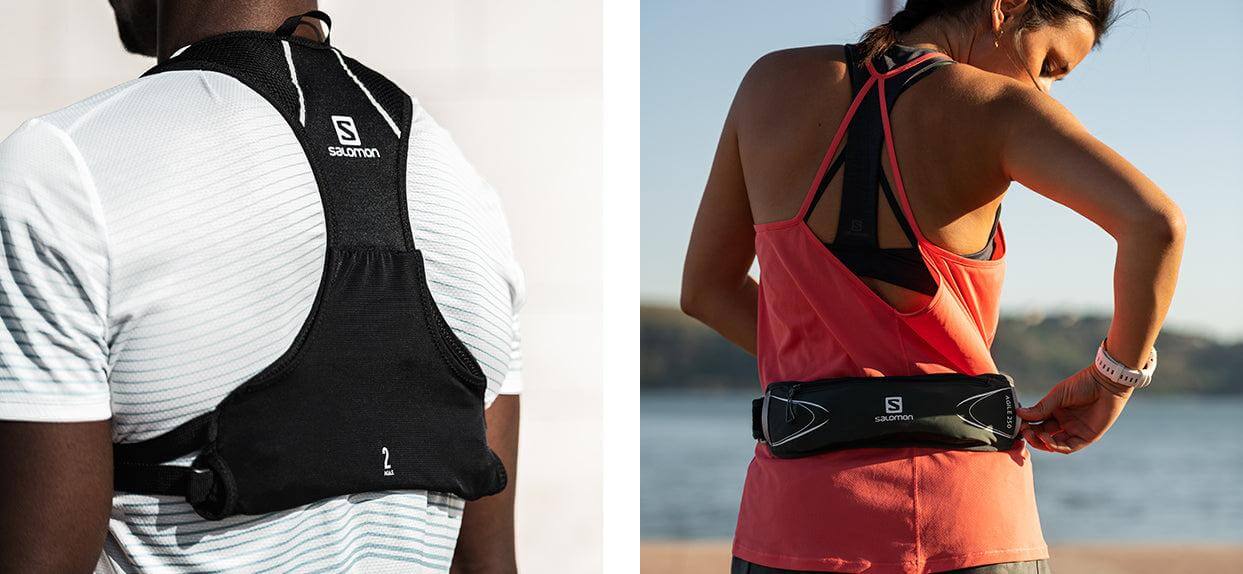
upper body. The difference can affect your posture and freedom of movement when running or cycling.
Many people compare bags based on capacity alone, only to find that the gear they bought doesn't match their routes or actual needs.
A hydration vest uses shoulder straps to distribute weight across your torso. It's a practical choice for rides lasting more than three hours, long-distance trail runs, and routes where resupply points are far apart. It can carry soft flasks, a spare windbreaker, a headlamp, and an emergency thermal blanket. The front pockets also make it easy to grab water without raising your arms or interrupting your pace.
However, hydration vests have two easily overlooked drawbacks.
When cycling in an aggressive, forward-leaning position, the chest straps can put constant pressure on your chest. During long summer sessions, sweat builds up across the back and under the shoulder straps. Damp fabric can stick to your skin and restrict arm movement. Changing layers is also less convenient because you need to loosen the straps and remove the entire vest. Repeating this process during sudden showers can waste valuable time.
A waist pack sits around your hips, leaving your shoulders and back uncovered. This means your arms can move freely, and leaning forward on the bike doesn't create additional interference.
Most standard waist pack designs weigh around 100–180g. When carrying just a phone, energy gels, salt tablets, tire patches, a mini pump, or a single soft flask, the extra weight is barely noticeable.
A waist pack bag has its own limitations. Getting water requires reaching for the flask in a side pocket, which can be awkward when climbing trails or using trekking poles. Storage capacity is also limited, making it unsuitable for routes lasting several hours without access to resupply points.
Waist Pack vs. Hydration Vest for Cycling
One important factor that's often overlooked is whether your cycling jersey already has rear pockets.
For everyday road cycling, a waist pack is usually sufficient if you only need extra storage beyond what your jersey pockets can hold.
However, if you wear a pocketless cycling jersey or ride in remote areas where you need to carry more backup supplies, a hydration vest offers a clear practical advantage.
Waist Bags for Travel and Outdoor Use
Waist bags for travel can also handle everyday storage needs, so you don't necessarily need to carry a separate organizer.
A waist pack bag works well for short-distance runs and urban cycling commutes. Waist bags for travel can also serve similar lightweight outdoor purposes.
When choosing a waist pack, look for a design that fits snugly around your waist. A secure fit can significantly reduce bouncing while running or cycling.

How to Choose the Right Waist Pack
You don't have to choose one and give up the other. People who regularly run and cycle in the city often keep both types of gear and switch between them based on route length and access to supplies.
If you're only planning to buy one, prioritize the activity that makes up the largest share of your training.
The factory can recommend suitable fabrics based on different usage scenarios, with distinct material options for sports models and travel models. It also supports structural customization, including anti-slip elastic straps and compartment layouts.
Custom development is available based on customer-provided designs or reference samples. Multiple QC inspections are carried out before shipment, and finished products meet standard export testing requirements.
You can share your functional requirements for a waist pack, waist pack bag, or waist bags for travel to receive sample proposals tailored to your intended use and routes.
Frequently Asked Questions
Q1: Will a Waist Pack's Elastic Belt Lose Its Stretch After Repeated Use?
A: Elastic webbing gradually loses tension over time. How quickly this happens depends on how frequently it's stretched and how much sweat and salt it is exposed to. Wiping it down and allowing it to air-dry after each use can help extend its service life.
Q2: Can Waist Bags for Travel Have Compartments Designed for Sports Nutrition?
A: Travel bags are generally designed around storing passports, cards, and other personal essentials. Their compartment layouts differ from those of sports bags, so accessing nutrition supplies on the move may be less convenient than with a dedicated waist pack bag.
Q3: Will Leaving a Waist Pack Against My Body After Running or Cycling Damage the Fabric?
A: Salt in sweat can gradually accelerate the deterioration of stitching and fabric if it remains on the material for extended periods. After exercising, empty the bag and let it air-dry in a well-ventilated area to help prevent premature wear.
Make Every Gift Count with the Right bag for canvas
Related Article


