
Avoid Burlap Tote Bags Hidden Quality Issues
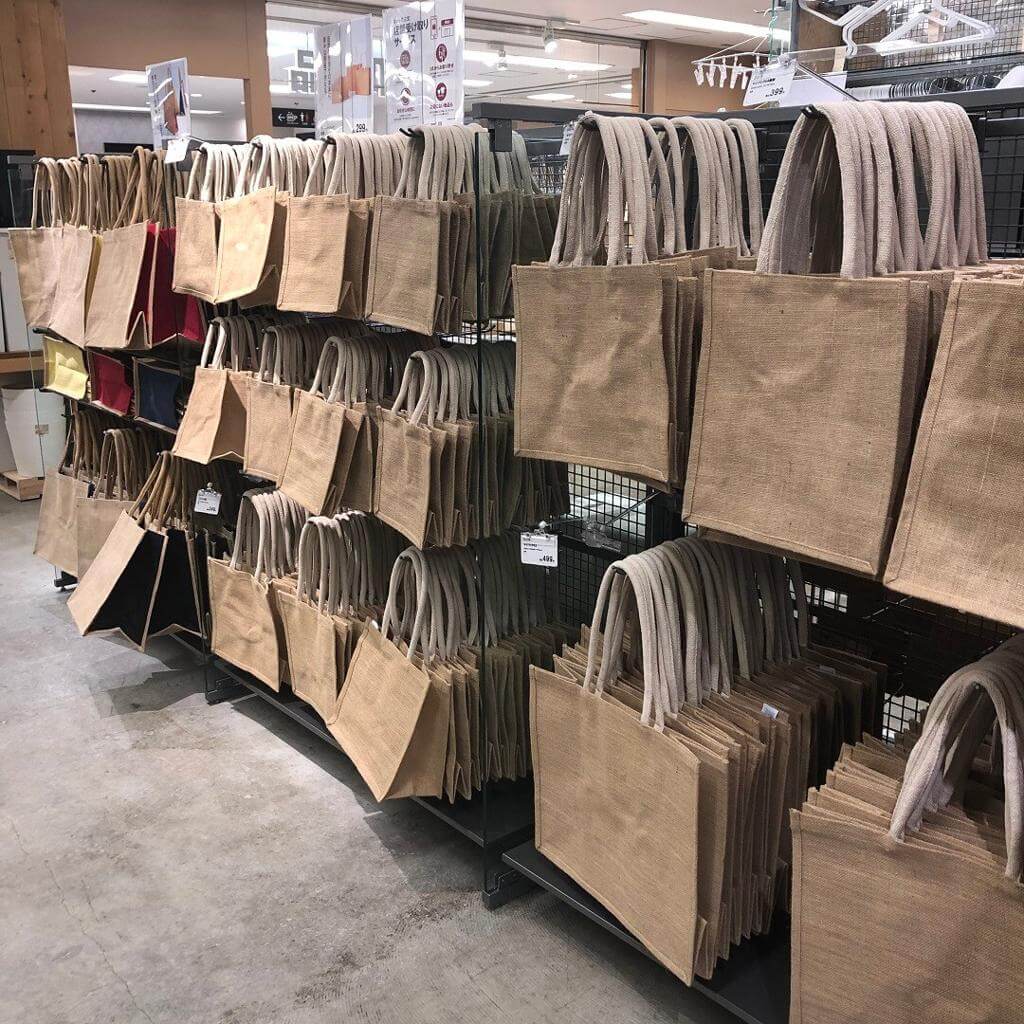
Many buyers struggle to tell whether a weakness in a burlap bag comes from the natural properties of the material itself or from poor workmanship at the factory.
Most promotional content focuses heavily on burlap’s eco-friendly appeal, while rarely discussing the trade-offs behind its breathability. For burlap tote bags, fabric weight is the first key factor to consider. Industry standards generally fall into three ranges: 220–280 GSM is commonly used for one-time promotional giveaways and event gifts, while 280–350 GSM is better suited to frequent use and repeated heavy loads. A 60 GSM difference may not feel significant when you first handle the bag. However, after repeated loading and folding, the stitching around the handle attachment points is often the first area to fail.
Edge finishing is the second quality factor that buyers often overlook. Without proper binding and overlock stitching, cut edges will continue to fray. The difference may be barely noticeable when the bag is new, but after a dozen or more uses, loose threads and fiber shedding become much more obvious.
The main advantage of an unlined burlap tote bag is its natural breathability. This makes it suitable for products that need airflow to stay fresh, such as onions, potatoes, and green coffee beans. However, burlap has no built-in moisture barrier. When exposed to high humidity for extended periods, its fibers gradually lose tensile strength.
Adding a PE-coated lining can help protect against occasional spills, but there is a trade-off: the bag loses its natural breathability, and its overall decomposition time increases.
Many wholesale buyers compare burlap tote bags based only on texture and color when reviewing samples. They often fail to request a clear fabric composition declaration before placing an order. As a result, they may discover only after receiving the bulk shipment that lower-cost alternative fibers have been mixed into the material.
If the bags are intended for direct food contact, you must separately confirm that the lining is made from food-contact-compliant materials. Standard coated linings available on the market do not automatically meet this requirement.
When requesting bulk quotes for burlap tote bags wholesale, remember that the same unit price may cover only the basic fabric. Reinforced handle stitching, edge finishing, and pre-production sample approval may all be charged as additional services.
Once fabric weight, lining type, and stitching standards are properly matched, burlap tote bags can perform reliably in farmers' markets, retail settings, promotional campaigns, and branded gift programs. However, it is important to be realistic: even when every manufacturing process meets the required standards, natural burlap still tends to shed fibers, and prolonged exposure to direct sunlight accelerates fiber brittleness. These are inherent material limitations that no current manufacturing process can completely eliminate.
You can request burlap tote bags wholesale samples that match the stated specifications to check quality before placing a bulk order. However, actual product lifespan may vary depending on storage temperature and humidity in different regions.
Burlap Tote Bag Printing Options
Customization also comes with certain limitations when printing on a burlap tote bag.
Screen printing on coarse burlap is challenging because ink cannot easily fill the gaps between the fibers. As a result, color saturation is generally lower than on cotton canvas bags. Embroidery offers better durability and adhesion, but it also comes at a higher cost.
Many buyers ordering burlap tote bags wholesale prefer to test printing on blank samples first before approving the full production run. This helps them evaluate the actual print quality and avoid unexpected results across a large order.
Storage and Maintenance Tips
Storage conditions also deserve attention. When these jute tote bags are stacked too high, the fabric at the bottom remains under pressure for extended periods, making creases more likely to develop around the corners.
In a damp warehouse, storing these bags for more than two months can reduce fiber flexibility.
After receiving your burlap tote bags, avoid leaving them outdoors for extended periods. Ultraviolet exposure gradually damages the fiber structure and increases the risk of even well-stitched seams eventually breaking.
Burlap Tote Bags Wholesale: Quality Control
Before confirming a burlap tote bags wholesale order, make sure to agree on the inspection stages with your manufacturer.
Three separate checkpoints are particularly important:
-
First-article sample approval before mass production.
-
Random quality inspections during bulk production.
-
Final inspection before packing and shipment.
Checking each stage separately helps prevent common problems such as mixed fabric compositions and missing edge stitching.
Well-made jute tote bags can meet consistent reuse requirements when the right manufacturing processes are applied. However, upgrading production techniques does not eliminate the physical limitations of the raw material itself.
XINHUI Bag Factory has extensive experience in customized production and bulk orders for jute tote bags. We understand the practical differences between various GSM jute fabrics, lining options, and printing techniques.
We can produce pre-production samples based on your specifications and provide relevant compliance testing documents for the fabric and lining. We also support staged quality inspections according to AQL standards.
If you are comparing suppliers for burlap tote bags wholesale, simply send us your specifications and printing requirements. We will provide an itemized quotation and estimated sample lead time based on your needs. Sample fees can be deducted from your bulk order.
Please note that production lead times may vary depending on fabric availability and the printing processes involved.

Burlap Tote Bags FAQ
Q: Should blank burlap bags be stored separately from printed bags?
A: Yes. We recommend storing them separately. Printing inks may gradually transfer onto blank fabric when bags are kept in high-temperature, enclosed shipping containers or warehouses. This is especially noticeable on light-colored and bleached fabric.
Q: How long should screen-printed burlap bags dry before packing?
A: For standard water-based inks, allow the bags to dry for at least 24 hours in a well-ventilated environment at room temperature before packing.
In humid regions, we recommend extending the drying time to at least 48 hours to prevent ink from sticking or transferring onto other surfaces.
Q: Can burlap bags be treated with a water-repellent coating without losing their breathability?
A: Lightweight water-repellent treatments are available and can provide some resistance to moisture. However, they cannot make the bags completely waterproof.
The coating narrows the fabric's pores and reduces airflow. There is currently no practical treatment that can fully preserve both the original breathability and complete waterproofing.
How Durable Tote Bags Handle Heavy Loads Without Tearing
Related Article


