
Can Christmas Stocking Orders Still Ship to Europe in November?
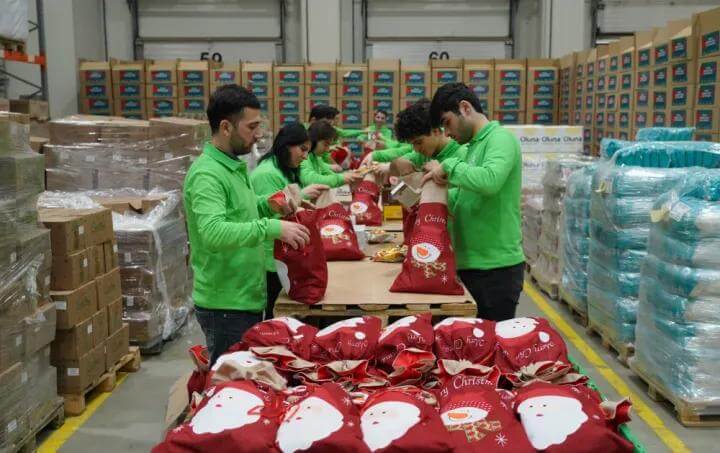
Even when buyers place orders for Christmas fabric products in November, delivery outcomes can vary significantly. Some shipments make it into warehouses before the Christmas selling season begins, while others miss the entire sales window.
Many delivery estimates only cover the date when bulk production leaves the factory. They do not include European customs clearance, warehouse booking appointments, or additional waiting time caused by shipment rollovers during peak season. Many buyers only realize their shipping buffer was miscalculated when their goods are already stuck at the port.
For custom Christmas fabric products, sampling times vary depending on the production process. One round of sample approval for printed designs typically takes 5–7 working days. Christmas stocking custom orders require separate machine setup, precise pattern alignment, and repeated colorfastness checks, extending each sampling round to 7–12 days. If a second sample revision is needed, it can easily take up another two weeks, making this one of the most underestimated causes of peak-season delays.
Factories typically enter their Christmas order peak from July to September. Production slots are allocated based on finalized designs and deposit payments, not the order in which inquiries are received. By November, most standard production slots have already been filled. Even if a quotation states a 25-day bulk production lead time, fabric scheduling and production priority for larger customers can extend the actual lead time to 35–42 days.
Christmas Stocking Shipping Options to Europe
The following timelines are based on working backward from a target of having goods safely received at the warehouse and ready for normal retail sales before December 1.
1. Sea Freight: Best Value for Money
-
Basic transit time: 28–35 days.
-
Additional peak-season buffer: 14–21 days for limited container space and possible shipment rollovers.
-
Current status: The safe sea freight booking window has already closed. Sea freight can no longer meet this year's Christmas sales deadline.
2. Rail and Road Freight: A More Predictable Alternative
-
Transit time: 14–20 days.
-
More predictable transit times, with a lower inspection probability than sea freight.
-
November orders may still make it if the required fabric is in stock and the design has been finalized without further revisions.
3. Air Freight: For Urgent Orders
-
Delivery time: 5–8 days.
-
Shipping costs: 4–6 times higher than sea freight.
However, air freight comes with practical limitations. If the factory has no spare production capacity or the required fabric is out of stock, paying extra will not necessarily speed things up. Complex embroidered designs are also generally unsuitable for last-minute orders.
Coordinating Christmas Bag and Christmas Stocking Production
When producing Christmas bag and Christmas stocking orders at the same factory, one easily overlooked factor is fabric allocation.
If the two designs are finalized at different times, materials cannot be prepared together, potentially wiping out the time saved through coordinated production.
When both designs are finalized simultaneously, the factory can combine quality inspections and shipments, while customs documentation and export declarations only need to be processed once.
Christmas Stocking EU Compliance and Documentation
Compliance documents also need to be factored into the schedule. For fabric products shipped to the EU, REACH documentation, colorfastness test reports, and certificates of origin may be required to accompany the shipment.
Missing documents or incorrect HS code declarations can result in customs inspections and delays of 3–14 days during peak season. These delays generally fall outside the factory's and freight forwarder's compensation responsibilities.
Christmas Stocking Custom Orders: What Can Still Ship in November?
Based on the current timeline, the safe sea freight window for Christmas inventory has already closed. At this stage, only orders using in-stock fabric and finalized designs that require no further revisions are suitable for rail and road freight or air freight.
After late September, air freight is generally the main emergency option, often requiring compromises on production techniques and order quantities.
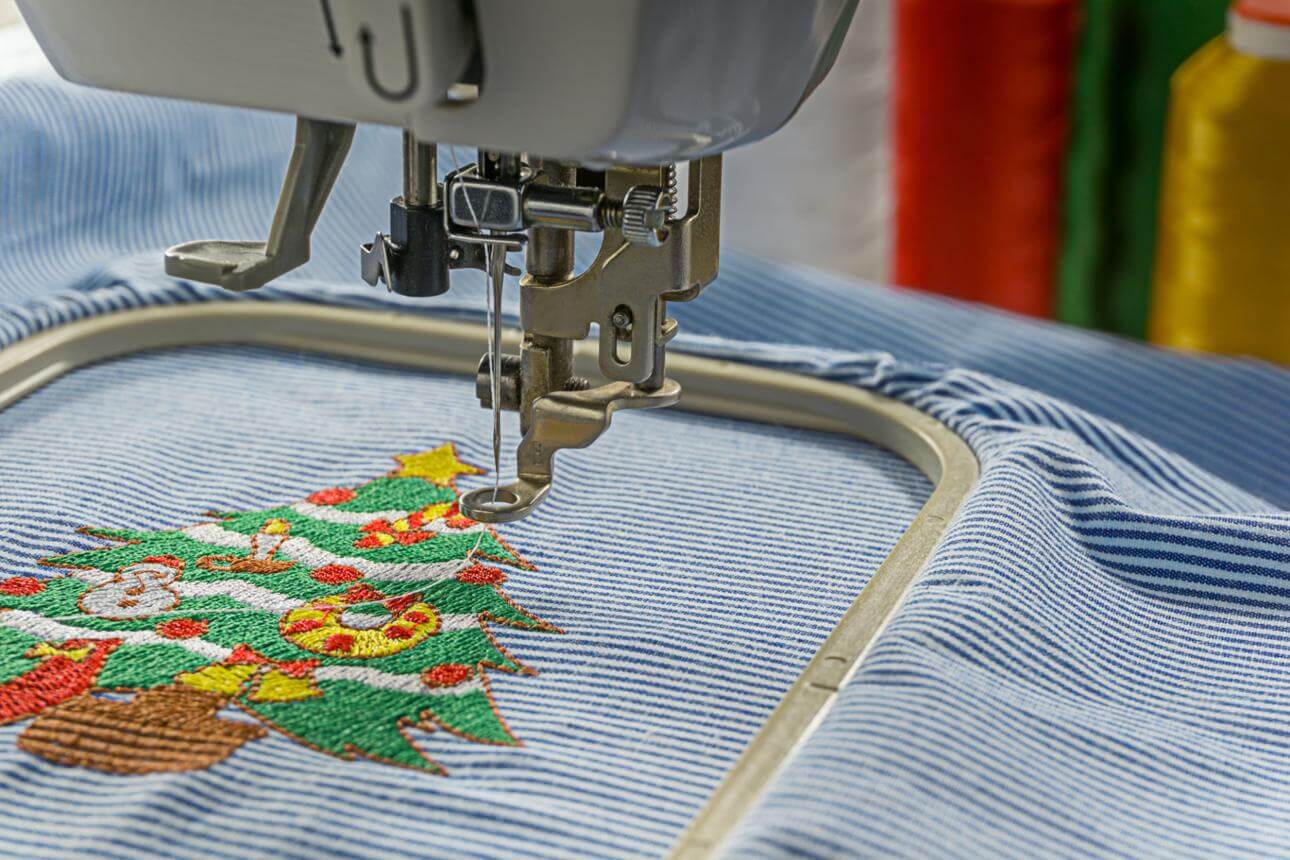
For Christmas stocking custom orders, embroidery machines are occupied for longer periods, making production capacity particularly tight during peak season. By November, very few production slots remain available for embroidered orders.
Many buyers also order Christmas bag and Christmas stocking products together for branded holiday gift sets and retail giveaways. Using the same fabric batch for both products can reduce fabric purchasing and quality inspection workload.
There is no universally safe cutoff date. The actual production and shipping window depends on design complexity, fabric availability, and overseas warehouse booking schedules.
XINHUI Bag Factory has extensive experience handling custom fabric orders for European markets and holds relevant BSCI and GRS certifications. We are familiar with EU compliance requirements for fabric product exports.
Our factory has dedicated sampling and quality inspection teams that can coordinate printing and embroidery processes while checking fabric colorfastness and testing documentation.
When multiple Christmas fabric products are ordered together, we can coordinate fabric purchasing, production scheduling, and shipping documentation under one plan, helping reduce communication gaps and coordination issues that can arise when different product categories are ordered separately.
Send us your target warehouse delivery date and production requirements. We can check current production capacity and recommend a schedule that works for your order.
FAQ
Q1: Can I still change the printing or embroidery position after confirming my order?
A: Minor position adjustments can usually be discussed before bulk fabric cutting begins. Once the fabric has been cut, any changes may result in material waste and production delays.
Q2: Can Christmas fabric products made from different materials be shipped together in one container?
A: Yes. As long as each product category has the required testing documents and accurate product descriptions for customs declarations, different fabric products can generally be consolidated into one shipment, subject to freight forwarder and customs requirements.
Q3: What standard is used to control color differences between approved samples and bulk production?
A: The physical sample signed off by both parties serves as the reference standard. Production follows generally accepted industry standards for fabric color differences, and a reference sample is retained for comparison before shipment.
How a Clear Bag Meets Security Rules and Travel Needs
Related Article


