
Your grocery tote bag May Be Dirtier Than a Plastic Bag
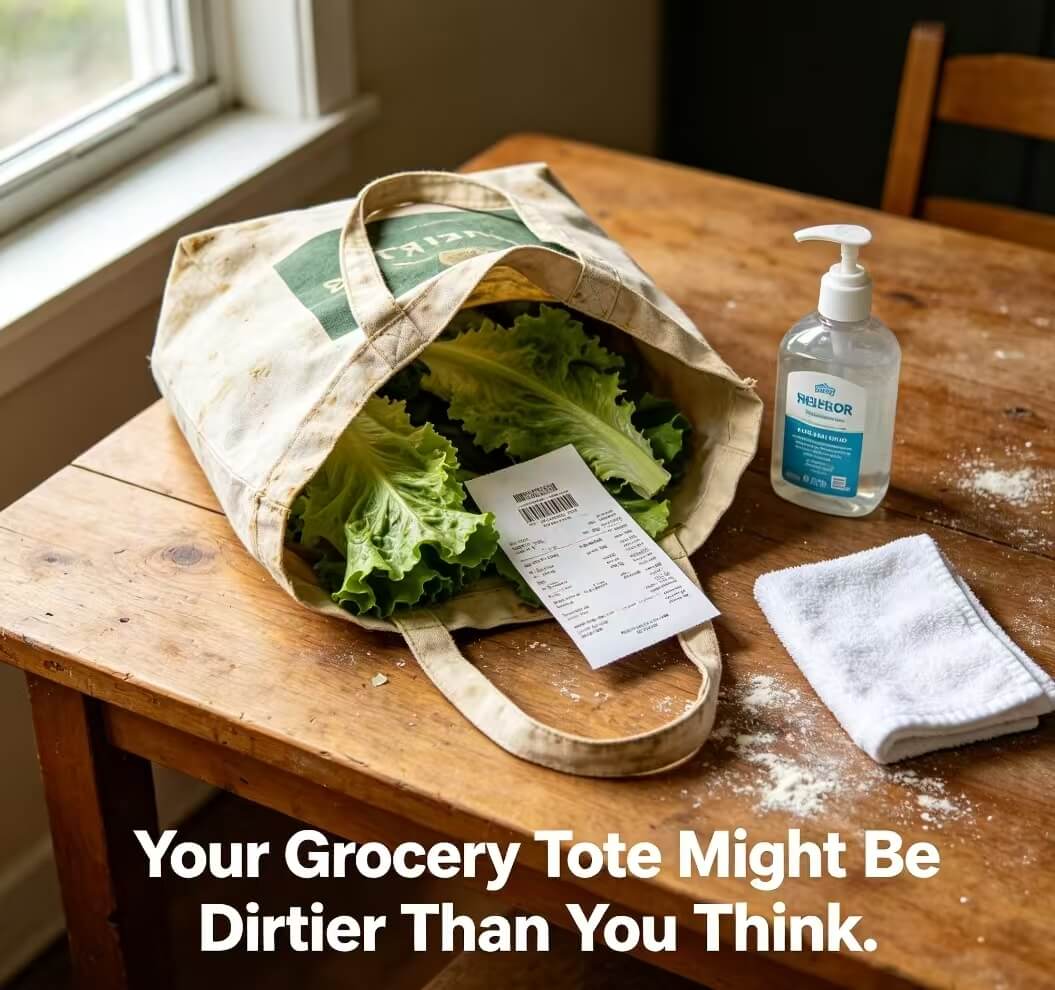
You've probably done this before: you come home from the grocery store, unload everything from your grocery tote bag—tomatoes, bread, a box of pecans, and a package of vacuum-sealed chicken breasts—then crumple the bag up and shove it into a cabinet until the next shopping trip.
The problem is, the bag may be holding onto more than just a few bread crumbs.
grocery tote bag Bacteria Facts
Researchers from the University of Arizona and Loma Linda University collected 84 reusable shopping bags from shoppers outside supermarkets in California and Arizona and tested them for contamination.
Here’s what they found:
- 99% of the bags contained bacteria.
- About half tested positive for coliform bacteria, which are commonly associated with fecal contamination pathways.
- 12% (some reports say 8%) contained E. coli, suggesting more direct contamination from intestinal sources.
- 97% of people said they had never washed their bags.
The researchers also recreated a common real-life scenario. They placed a few drops of raw meat juice inside a bag and left it in a car trunk for two hours. Bacterial levels increased by nearly ten times.
Health Canada puts it simply:
“Reusable grocery bags and bins can collect harmful bacteria from foods... Wash cloth bags frequently, especially after carrying produce, meat, poultry, and seafood.”
New Zealand’s Ministry for Primary Industries (MPI) offers similar guidance:
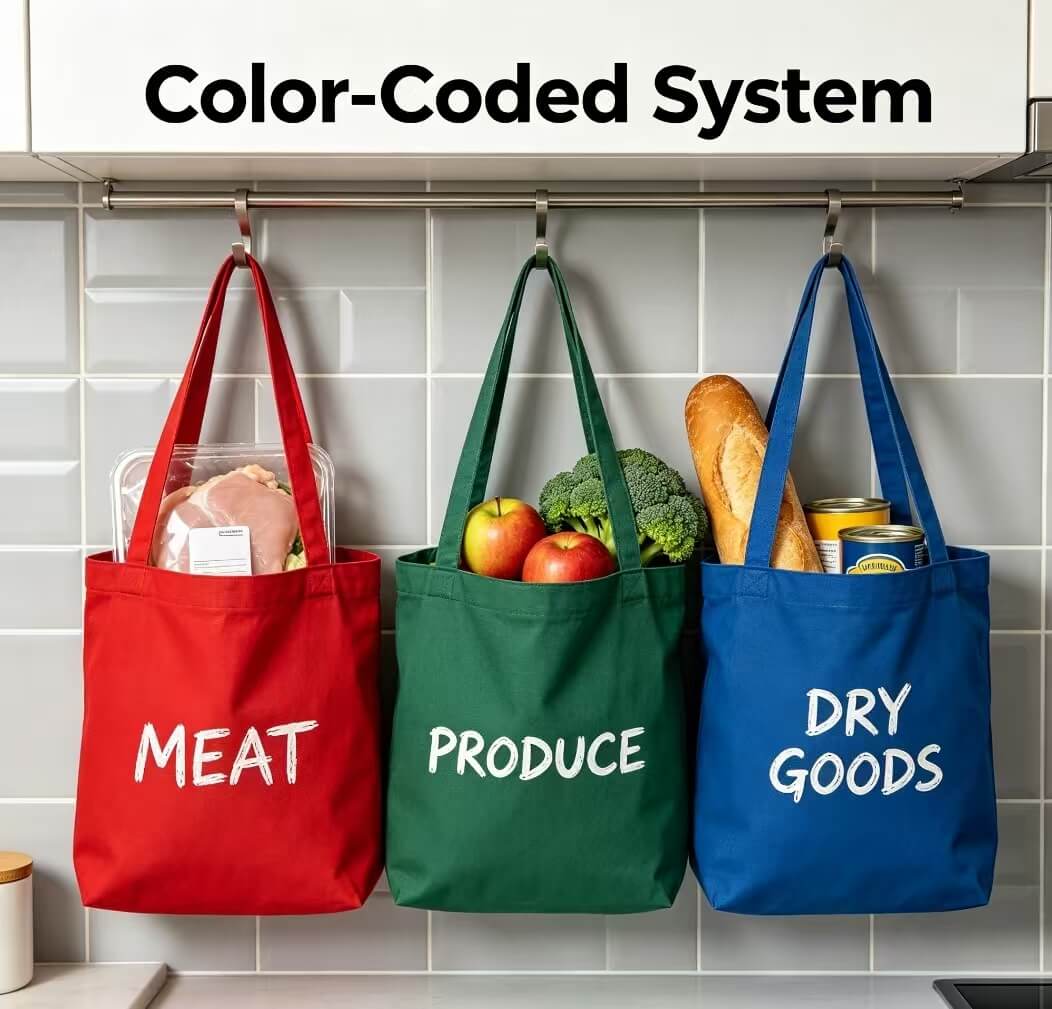
- Keep raw meat, poultry, and seafood separate from ready-to-eat foods.
- Place raw meat packages inside disposable plastic bags before putting them into reusable bags.
- Wash bags immediately if any food juices leak inside.
Why a grocery tote bag Traps Bacteria
You might wonder: aren't plastic bags dirty too?
The difference is that disposable plastic bags are usually used once and discarded before bacteria have much time to multiply. A grocery tote bag is reused repeatedly, which creates different risks.
Three factors make reusable bags especially vulnerable:
- Canvas, cotton, and non-woven polypropylene (NWPP) materials can absorb moisture and food juices into their fibers.
- Folding and storing a damp bag creates a dark, enclosed environment where bacteria thrive.
- Heat and time—especially inside a car—speed up bacterial growth.
Colorado State University Extension compares reusable cloth bags to kitchen towels. You wouldn't use the same dish towel for two weeks without washing it. The same principle applies to reusable shopping bags.
grocery tote bag Storage Mistakes
During summer, a parked car can easily reach temperatures above 50–60°C (122–140°F).
MPI gives straightforward advice:
“Don't leave groceries in a hot car, car boot or in direct sunlight... Transfer them to the fridge or freezer as soon as you get home.”
The same rule applies to your tote bag for shopping.
Many people keep their tote bag for shopping in the trunk so they won't forget it. Unfortunately, a hot trunk acts like a small incubator. Tiny food particles, vegetable scraps, or dried meat juices left behind from previous trips can become a breeding ground for bacteria.
A better routine:
- Bring your bags inside as soon as you get home.
- Turn them inside out and hang them in a well-ventilated area to dry.
- Avoid stuffing them into a cabinet while they're still damp.
- If you want an emergency bag in the car, keep only one fully clean and dry backup bag in a door compartment.
grocery tote bag Odors and Causes
| Odor | Most Likely Cause | How to Fix It |
|---|---|---|
| Sour smell | Fermented dairy residue or meat juices | Pre-soak with hot water and baking soda, machine wash, then air-dry in direct sunlight |
| Musty smell | Bag was stored before it was completely dry | Soak in diluted white vinegar for 30 minutes, wash again, and dry thoroughly |
| Onion or curry smell | Fibers in the tote shopper bag absorbed odor compounds | Scrub affected areas with lemon juice and salt, then leave in the sun |
| Fishy smell | Seafood or poultry juices soaked into the material | Soak in cold salt water for one hour, then wash normally |
| Earthy or garage-like smell | The tote shopper bag touched dirty floors, shopping cart bottoms, or trunk floors | Machine wash and air-dry; avoid placing the bag directly on kitchen countertops |

grocery tote bag Cleaning Habits
Simple habits can make a big difference:
- Empty crumbs and debris after every shopping trip.
- Wash reusable bags regularly.
- Keep raw foods separated from ready-to-eat items.
- Allow bags to dry completely before storing.
- Replace bags that have torn seams, damaged linings, or visible mold.
FAQ About tote bag for shopping
Q1: I always put raw meat inside the store's plastic bag before placing it in my canvas tote bag for shopping. Do I still need to wash the bag?
Answer:
Using a plastic barrier greatly reduces the risk of contamination, which is a good practice. However, if the bag feels damp, the plastic package leaks, or you notice any stains, wash the bag immediately. If no contamination is visible, washing every 3–5 uses is generally reasonable.
Q2: Can I machine-wash a non-woven polypropylene tote bag for shopping?
Answer:
Yes, but use cold water and a gentle cycle. Place the bag inside a laundry bag and never put it in a dryer. Heat can damage the material. Hang it to air-dry instead.
Q3: My canvas bag still smells musty after washing. How can I remove the odor completely?
Answer:
The smell is usually caused by trapped moisture rather than poor cleaning. Soak the bag in a 1:9 mixture of white vinegar and water for 20–30 minutes, wash it again, and allow it to dry completely in a bright, well-ventilated area before storing it.
Q4: I only have one large bag for groceries, meat, produce, and bread. What should I do?
Answer:
Double-bag raw meat using store-provided plastic bags. Place bread and ready-to-eat foods inside separate reusable containers or food-safe bags before putting them into the main bag. After unpacking, rinse or wash the bag as soon as possible.
Q5: The silver insulated lining inside my bag is peeling. Is it still safe to use?
Answer:
Minor peeling around the edges may be manageable, but large cracks or flaking areas can trap dirt and bacteria. If the inner layer is significantly damaged, replacing the bag is the safer option.
Q6: Besides washing bags, what cross-contamination risks do people often overlook?
Answer:
Two very common ones are:
- Placing a dirty bag directly on the kitchen counter and then preparing food on the same surface.
- Leaving food scraps inside the bag between shopping trips.
A simple habit helps: shake out debris after each use and place bags near the sink or on a floor mat rather than on food-preparation surfaces.
tote bag reusable: Why Most People Never Get the Sustainability They Paid For
Tote Straps Slipping or Hurting Shoulders How to Fix It
Related Article


