
Why Does Cosmetic Bag Fabric Turn Sticky and Peel?
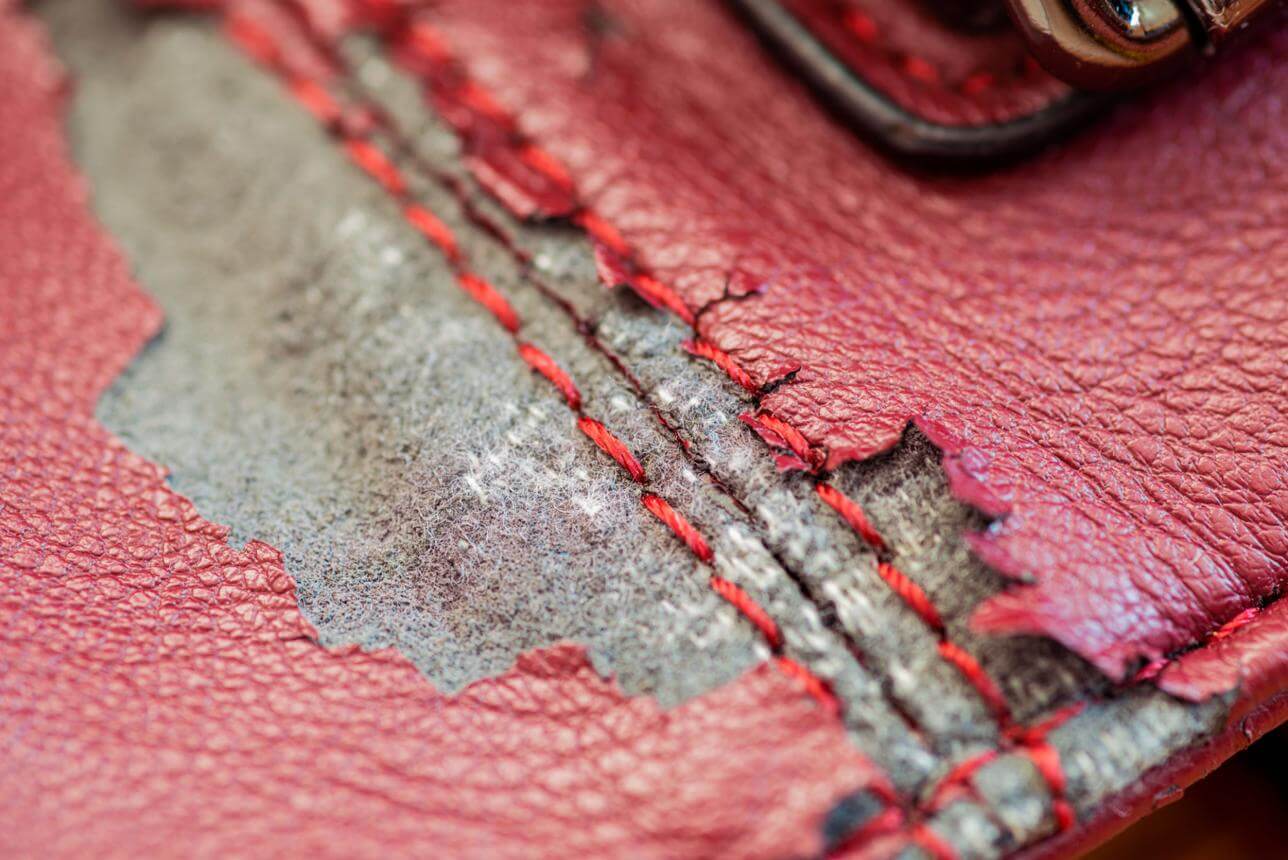
Have you ever noticed that your small leather makeup bag starts feeling sticky on the surface after just a few months, even though you've been storing it properly?
Many people assume it's simply dirty. But the real problem often lies in the cosmetic bag fabric itself. Even your everyday clear plastic travel bag can suffer from similar material-related issues without you realizing it.
When this happens, people often blame hot, humid weather, storing the bag too close to a hair dryer, or simply buying a low-quality product. But the real issue is usually the material properties of the cosmetic bag fabric.
Why Your Small Leather Makeup Bag Gets Sticky
Many makeup bags marketed as leather are actually made with a fabric base coated with polyurethane (PU). This is particularly common with a small leather makeup bag.
PU coatings generally fall into two categories, and they age differently.
Polyester-based PU coatings gradually react with moisture in the air. Over time, the surface becomes sticky and brittle before eventually peeling off. The flakes can end up on your makeup brushes and cosmetics.
High humidity speeds up this process. Bathroom countertops, cars in summer, and poorly ventilated hotel rooms can all accelerate coating deterioration.
Even a bag left unused in a drawer for a year may come out with a completely degraded surface. Just because it looks fine doesn't mean the material is still in good condition.
That's why choosing a small leather makeup bag based on how it feels to the touch isn't enough.
How to Choose the Right Cosmetic Bag Fabric
When sourcing or purchasing a makeup bag, there are two important things to check.
1. Find out what type of PU resin is used.
Ask whether the surface coating is polyether-based or polyester-based. Polyether PU offers better resistance to hydrolysis, meaning it's less likely to break down when exposed to moisture.
Many ordinary sellers don't know this technical detail, but a reliable supplier should be able to provide a clear answer.
2. Identify the actual material category.
Don't confuse these three materials:
-
Split leather with a laminated coating
-
Microfiber synthetic leather
-
Standard PU-coated fabric
They differ significantly in cleaning requirements, stain resistance, and overall durability.
The industry uses established testing standards to evaluate material performance:
-
Abrasion resistance: ASTM D4060 or ISO 12947
-
Colorfastness to rubbing: AATCC 8
Colorfastness to rubbing is a particularly important detail that many buyers overlook.
For example, repeatedly wiping a dark-colored lining with damp makeup remover pads can cause dye transfer that leaves permanent stains.
A simple at-home test: Fold one corner of the bag firmly and hold it for 10 seconds before releasing it. If a white mark appears along the crease, the coating is likely too stiff and may crack in areas that are repeatedly folded.
Why Clear Plastic Travel Bag Materials Deteriorate
The two main reasons clear plastic travel bag materials fail are plasticizer migration and airport security requirements.
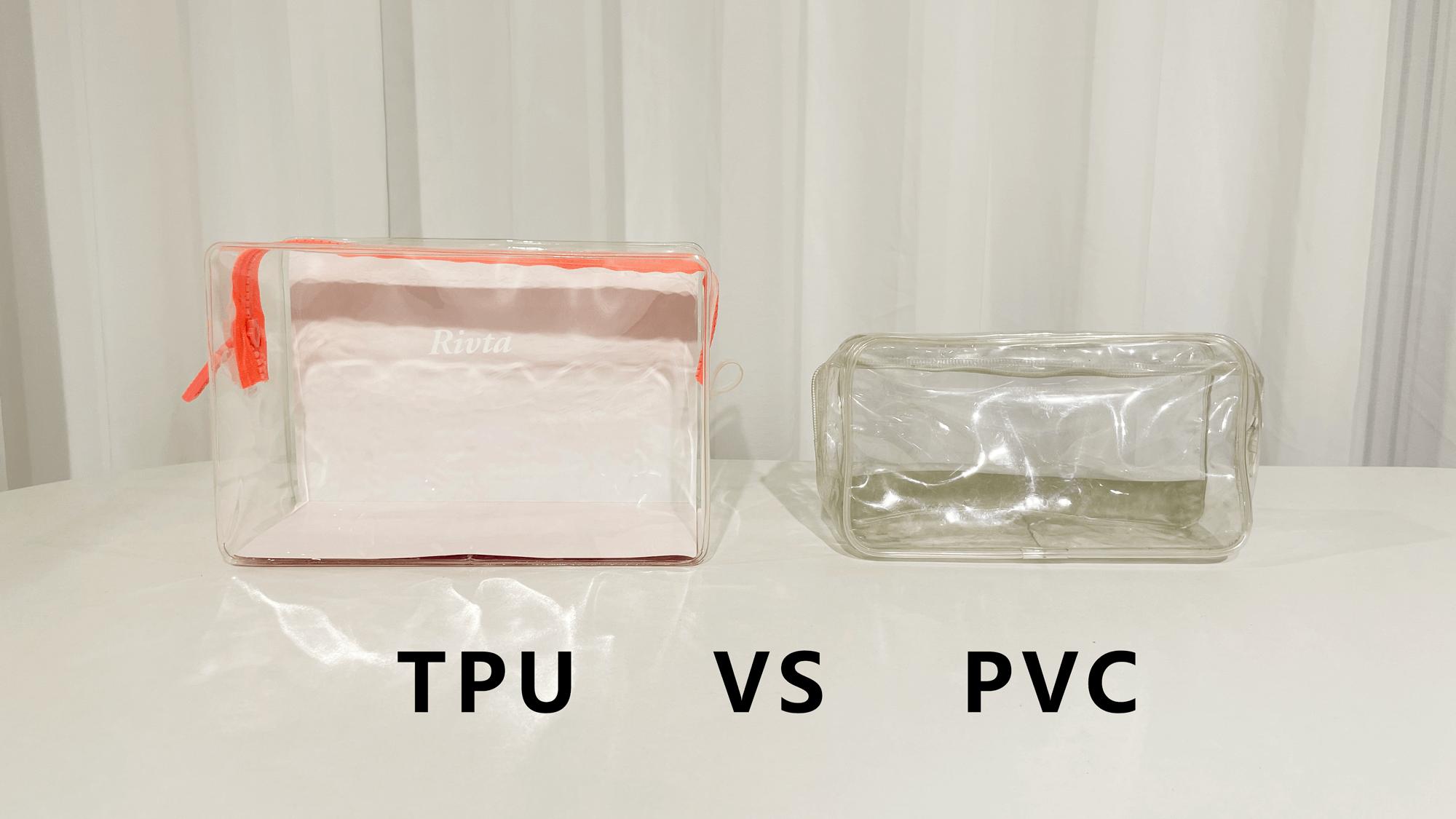
PVC vs. TPU: What's the Difference?
Standard PVC film cannot remain both transparent and flexible without plasticizers being added during manufacturing.
Over time, these plasticizers gradually migrate to the surface. The bag may become cloudy, develop a waxy feel, and crack first along folded areas.
PVC also becomes harder and more prone to tearing in cold environments.
For products sold in the EU, materials must comply with the requirements of REACH Annex XVII, Entry 51.
Four restricted phthalates — DEHP, DBP, BBP, and DIBP — must not exceed 0.1% by weight in plasticized materials.
Before placing an order, ask for the relevant test report. This is much more reliable than simply trusting a product description that says "eco-friendly material."
TPU is another option for transparent storage bags. Unlike PVC, TPU does not require additional plasticizers, so it avoids the same plasticizer migration and surface-clouding issues.
However, not all TPU is equally durable. Polyester-based TPU can still deteriorate through hydrolysis, while polyether-based TPU generally offers better long-term durability.
Clear Plastic Travel Bag and Airport Security Rules
Under current TSA rules:
-
Each liquid container must hold no more than 100 ml (3.4 oz).
-
All liquids must fit inside one clear, resealable, quart-sized bag.
-
Each passenger is allowed one such bag.
The TSA does not issue official certification labels for makeup bags or toiletry bags.
So when a product description says "TSA-approved" or "airport security approved," that's a marketing claim, not an official certification.
Check the official TSA website before traveling, as screening practices may vary between airports and locations.
A quick material test: Fold the plastic film and press firmly along the crease. If the crease turns white when you release it, the material may have poor flexibility and a shorter service life.
Also, avoid solvent-based printed logos on transparent bags. Makeup remover oils and cleansing products can dissolve the ink, causing it to transfer onto your cosmetics.
Don't Overlook the Makeup Bag Lining
The lining is where makeup stains tend to accumulate first.
Most people regularly wipe down the outside of their bags but rarely clean the inside.
Foundation, sunscreen, primer, and makeup remover can all seep into the lining fabric. In most makeup bags, the lining is also one of the lowest-cost components.
If the lining seams aren't sealed with seam tape or another protective finish, liquids can seep through the needle holes and into the layers of the fabric.
Trapped stains can gradually develop unpleasant odors and even encourage mold growth.
When choosing a makeup bag, check these three details:
-
Can the lining be turned inside out for cleaning?
-
Are the seams bound or sealed with seam tape?
-
Is the lining laminated to the outer material, or is it loosely stitched as a separate layer?
These details can make a significant difference in how easy the bag is to maintain.
Cosmetic Bag Fabric: Waterproof vs. Oil-Resistant
When choosing cosmetic bag fabric, remember that water resistance and oil resistance are two separate properties.
The relevant testing standards include:
-
Water resistance: AATCC 22
-
Oil resistance: AATCC 118
A fabric can pass a water-resistance test and still fail to prevent oil from penetrating.
Foundation and makeup remover oils contain silicone oils and other oily ingredients. Their low surface tension allows them to pass through ordinary waterproof coatings and seep into the gaps between fabric fibers.
This means a makeup bag labeled "waterproof" isn't necessarily protected against liquid foundation or skincare products.
Before ordering, check whether the fabric has received an oil-repellent treatment in addition to its water-resistant finish.
If a seller only mentions waterproofing and says nothing about oil resistance, it's worth asking more questions.
A 30-Second Cosmetic Bag Fabric Inspection
When you receive a sample, run through these five quick checks:
-
Check the corners: Fold and press the edges, then release. Look for white crease marks.
-
Check for color transfer: Wipe a corner with a tissue dampened with makeup remover. See whether any color comes off.
-
Inspect the lining: Turn the bag inside out and check for exposed needle holes around the zipper.
-
Examine the zipper tape: Pay special attention to the fabric strip around the zipper, as it can allow liquids to seep inside.
-
Check for odors: Smell the bag when you first open it. Leave it in a warm, enclosed space for half a day, then smell it again to see whether the odor has become stronger.
Choosing Cosmetic Bag Fabric for Different Uses
Different usage scenarios call for different materials. Here's what to look for.
For Bathrooms and Car Storage
If you regularly leave your makeup bag in the bathroom or inside a car, avoid polyester-based PU materials.
Better options include:
-
Polyether-based PU
-
Microfiber synthetic leather
-
Fabric with a sealed coating
Pair these materials with a lining that is easy to clean and has sealed seams.
For Frequent Air Travel
If you regularly fly with liquids, choose a clear plastic travel bag made from polyether-based TPU.
Look for a size that fits the standard quart-sized requirement, and whenever possible, avoid printed designs.
For Basic Makeup Storage
If you only carry loose powder, makeup brushes, and a single lipstick, ordinary textile fabric is usually sufficient.
In this case, spend more of your budget on good-quality zippers and stitching rather than expensive outer materials.
One important rule: If a supplier cannot provide written material specifications, treat that as a warning sign.
The actual material specifications come from the fabric manufacturer and supplier. Simply asking for the material details can help you understand what you're buying.
If a supplier keeps sending product photos but refuses to provide fabric specifications, it's difficult to assess the material risks.
Custom Makeup Bags by XINHUI
XINHUI offers custom makeup bag manufacturing for a wide range of needs.
Tell us how you plan to use your bags — whether they'll be stored in a bathroom, kept in a car, or carried onto an airplane.
We'll help match the right outer fabric, lining, and zipper combination to your requirements.
Our quotations can also include material specifications, giving you a clearer understanding of exactly what goes into your custom makeup bags.
FAQ
Q: What lining color is best for a makeup bag?
A: Light-colored linings make it easier to spot leaks and stains, so you can clean them before they build up.
Black linings can hide stains, allowing oil and makeup residue to accumulate unnoticed. Over time, this can contribute to material deterioration and unpleasant odors.
If you regularly carry liquid cosmetics, a light-colored lining is the better choice.
Q: Can leather or coated makeup bags go in the washing machine?
A: No. Makeup bags made with coated or laminated fabrics should not be machine-washed.
The washing machine's agitation can pull at the coating and cause cracks along folded areas. Tumble drying can accelerate material deterioration even further.
Instead, wipe the surface gently with a soft, damp cloth and let the bag air-dry in a cool, well-ventilated area away from direct heat.
Genuine leather and split leather should also not be washed with water.
Q: Can ordinary resealable food storage bags replace a dedicated clear plastic travel bag?
A: Yes, a resealable food storage bag that meets the required size specifications can be used to carry liquids through airport security.
However, ordinary food storage bags are usually made from thinner plastic film and have less durable seals and closures.
After repeated trips, the seams can tear, making them less suitable for frequent travel.
They're fine as a temporary backup, but not ideal for long-term, regular use.
How to Avoid Costly Print Mistakes on Custom Printed Plastic Bags
How to Choose a swim bag That Fits Your Gear and Locker
Related Article


