
Custom Cooler Bags for Efficient Temperature Control & Branding
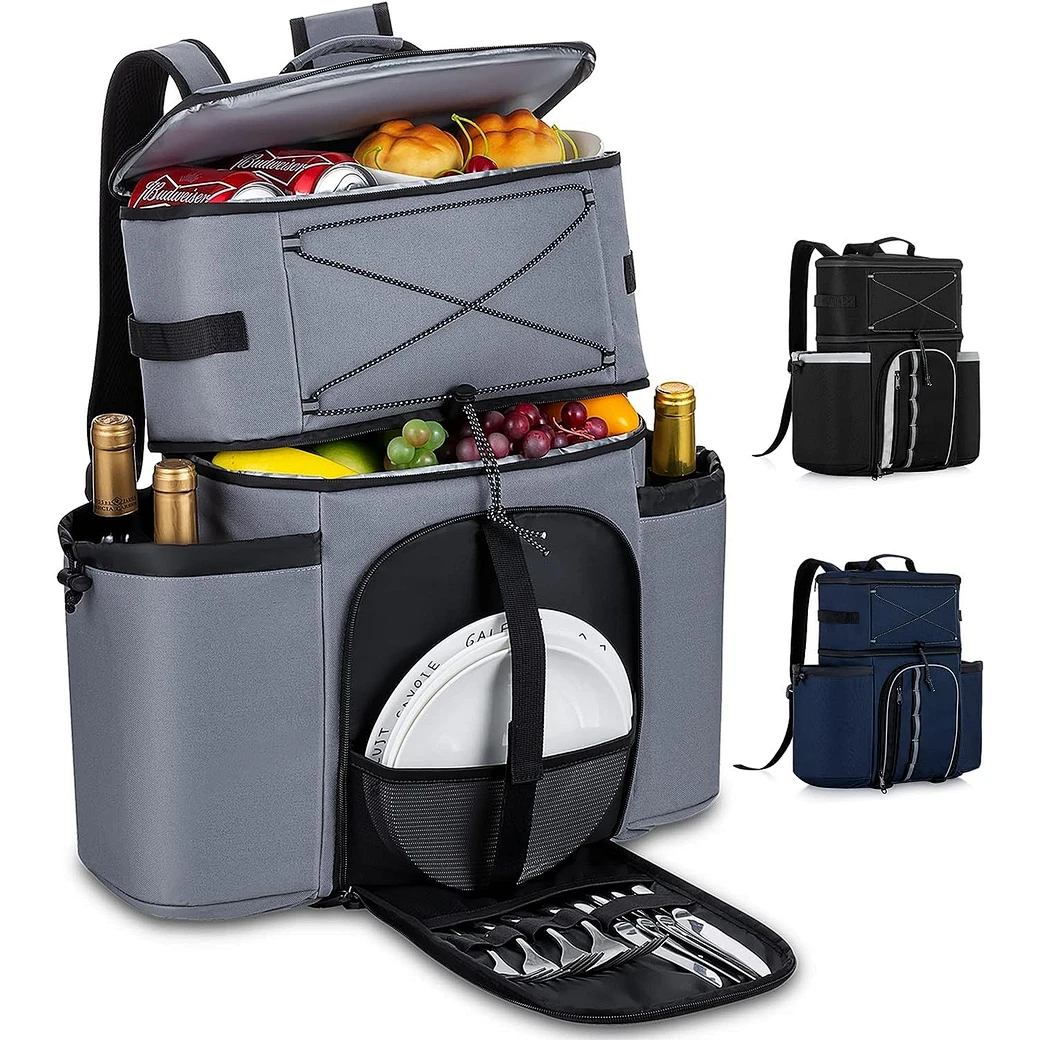
Summary: This article answers the common question “How long can an insulated cooler bag stay cold?” Instead of assuming “thicker insulation = longer cooling time,” we look at the real factors that affect performance, including bag structure, customization choices, product lifespan, and usage scenarios. It covers personal purchases like best insulated tote bag, brand customization with custom cooler bag, fresh food and medical delivery needs with refrigeration bags , and small-batch orders such as custom cooler bags on minimum.
Cooler Bag Cooling Time Basics
Under standard test conditions (25°C room temperature, fully packed with ice, no opening during the test, bag pre-cooled for 10 minutes), soft cooler bags usually perform like this:
- Thin version (5mm EPE insulation + aluminum foil PEVA lining + standard zipper): 3-5 hours
- Good for daily lunch carrying and commuting
- Medium version (8mm EVA insulation + aluminum foil lining + optional airtight zipper): 8-12 hours
- Good for picnics and short camping trips
- Thick version (12mm PU + XPE insulation + airtight zipper + heat-sealed lining): 24-48 hours
- With large ice packs and fewer openings, premium outdoor models can reach up to 72 hours
For everyday use, tote bags and shoulder bags are the most common choices.
Choosing the best insulated tote bag?
Many people buy a cooler tote bag advertised as keeping cold for 12 hours, but it only works for 4 hours in real life. The problem is usually not false advertising. The problem is the structure.
Most cooling loss happens through these three areas:
1. Zipper
A regular nylon zipper has small gaps between the teeth, allowing cold air to escape continuously.
An airtight zipper uses a soft sealing strip, similar to the design of a food storage bag. It can greatly reduce cold air leakage.
With the same 8mm insulation, an airtight zipper can keep items cold several hours longer than a standard zipper.
If you open the bag frequently, paying extra for this feature is worth it.
2. Stitching
Bags with sewn side panels and corners often have exposed stitching areas without insulation protection.
Cold air can escape directly through these weak points.
Heat-sealed designs create a continuous insulated layer, reducing leakage around the seams.
3. Bag Bottom
Many lightweight tote bags only have a single Oxford fabric layer at the bottom.
When placed on hot surfaces, heat transfers directly into the bag.
A reinforced bottom with extra insulation can extend cooling time even with the same internal material.
When buying a high-performance tote cooler, don’t only ask “How many millimeters is the insulation?”
Check the zipper, inspect the stitching, and feel the bottom structure first.
Custom Cooler Bag : Avoid Customization Mistakes
For brands creating promotional products, fresh food stores ordering delivery bags, medical suppliers needing cold chain packaging, or businesses looking for custom cooler bags on minimum quantities, the material setup matters much more than the logo.
Trap 1: Low MOQ Doesn’t Always Mean Good Configuration
In many cooler bag factories, the default setup for custom cooler bags on minimum orders (usually 300-500 pieces) is:
- 5mm EPE insulation
- Standard zipper
- Aluminum foil PEVA lining
These bags may claim 8-hour cooling performance, but with room-temperature drinks and small ice packs, they may struggle outdoors in 30°C summer weather.
Some manufacturers keep the same quality even for small orders.
For example, XINHUI in Dongguan, Guangdong, China, offers 300-piece orders with:
- 8mm EVA insulation
- Airtight zipper
- Heat-sealed lining
The claimed cooling time is 12 hours. In real outdoor conditions around 35°C, an iced coffee with an ice pack can stay cold for around 7-9 hours, making it suitable for coffee gifts, beverage promotions, and fresh food pickup bags.
Their repeat purchase rate reaches 85%, and 70% of long-term customers have worked with them for more than three years. Their customers include overseas companies and large international supermarkets.
The reason is simple: even small orders follow large-order material standards.

Trap 2: Custom Printing Can Damage Insulation
Some brands customize a custom cooler bag with large heat-transfer logos and find that cooling performance drops compared with plain versions.
Why?
High heat and pressure during transfer printing can damage the aluminum reflective layer inside, creating tiny cracks and heat bridges.
For customization:
- Choose small side-label printing or embroidery
- Or ask the factory to add extra insulation behind the printed area
This prevents cooling performance loss.
XINHUI’s standard approach is:
- Prefer side-label embroidery or screen printing
- Add extra insulation behind large heat-transfer printing areas
Many factories ignore these details for 300-500 piece orders, but for cooler bags, small insulation failures often lead to customer complaints.
Trap 3: Don’t Mix Refrigeration Bags With Regular Cooler Bags
If the purpose is transporting:
- Fresh meat
- Breast milk
- Insulin
- Medical samples
you need professional refrigeration bags, not ordinary picnic bags.
A proper cold-chain bag should usually include:
- At least 8mm PU insulation
- Airtight zipper
- Heat-sealed lining
A third-party temperature stability report is strongly recommended.
A qualified cold-chain bag should maintain stable temperatures for 8 hours or longer.
XINHUI also provides tested refrigeration bags starting from 300 pieces. Customers include maternity stores, community pharmacies, and frozen pet food delivery businesses.
For these users, stable 2-8°C performance matters more than saving a few dollars.
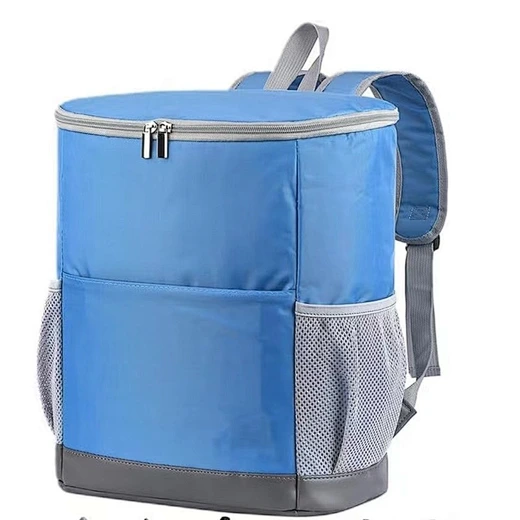
Your Cooler Bag May Not Be Bad — It May Just Be Old
The same insulated bag will lose performance after long-term use.
Common reasons include:
- PEVA or aluminum foil lining gets scratched, reducing reflection efficiency
- Zipper sealing strips become hard and stop closing tightly
- The insulation layer separates from the outer fabric, allowing air gaps
For daily-use bags:
- If cooling time drops below 4 hours, replacement is usually more practical
For medical or fresh food delivery bags:
- Check the inside every six months
- Replace immediately if you see peeling, damage, or separation
What Will You Use It For?
Different situations require different cooling performance.
| Usage | Recommended Bag | Cooling Requirement | Buying Tip |
|---|---|---|---|
| Daily lunch, yogurt, commuting | 6-10L thin insulated tote | 4-6 hours | Small ice pack is enough |
| Picnic, half-day camping, festivals | 15-20L medium insulated tote | 8-12 hours | Choose airtight zipper + heat-sealed lining |
| Coffee drinks, fresh food pickup | Small MOQ custom cooler bag (300+ pieces) | 12h claimed, 7-9h actual | Example: XINHUI 8mm EVA + airtight zipper |
| Insulin, breast milk, medical samples | Small medical refrigeration bags | Stable 2-8°C for 8-12 hours | Require third-party test reports |
| Fishing, overnight camping | Thick soft cooler or hard cooler box | 24h+ | Choose premium outdoor models |
FAQ About Cooler Bags
-
8mm EVA insulation
-
Airtight zipper
-
Better inner lining
-
Small screen printing
-
Embroidery
-
8mm PU insulation
-
Airtight zipper
-
Heat-sealed lining
-
PEVA lining separation
-
Damaged aluminum layer
-
Hardened zipper seal
-
Maintain 2-8°C for at least 8 hours
-
Use thick PU insulation
-
Have an airtight zipper
-
Pre-cool the bag for 10 minutes
-
Avoid opening it frequently
-
Keep ice packs fully frozen during travel
Best Insulated Tote Bag Guide: Keep Hot and Cold Food Fresh
Is mini tote bag Too Small? Find Your Perfect City Carry
Related Article


