
Why Shoulder Fabric Bags Wear Differently Over Time
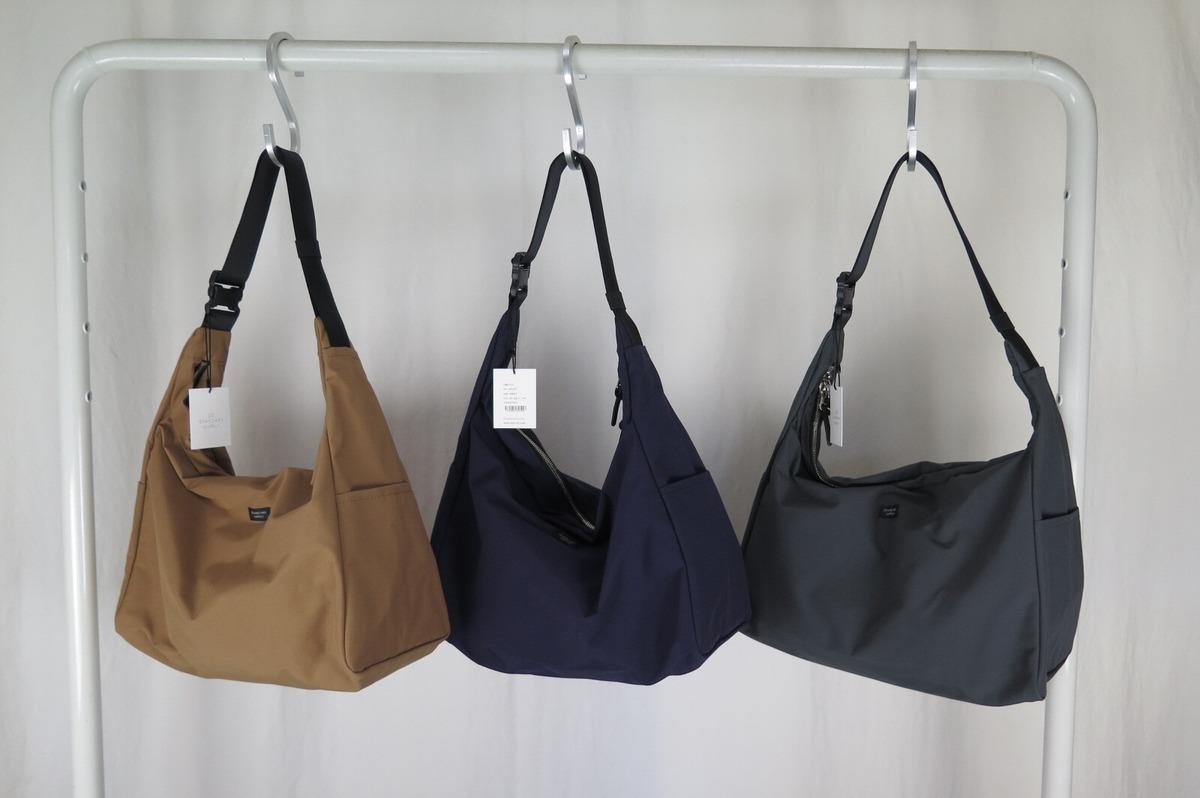
When shopping for shoulder fabric bags, many people narrow their choices down to two options: a nylon shoulder bag or a canvas shoulder bag. They make their decisions based on product photos and brief seller descriptions, only to find that the actual bag falls short of their expectations in terms of durability, shape retention, or ease of care.
In many cases, the problem isn't the fabric itself. It's that buyers remember the fabric name but overlook how the material changes over time with regular use.
Simply put, shoulder fabric bags are shoulder bags made from woven or textile materials. Most of the popular options on the market fall into two main categories: nylon shoulder bag designs and canvas shoulder bag designs.
This guide isn't about deciding which material is more premium. Instead, we'll look at what happens to each type of bag after you bring it home, what to check before buying, and how to avoid common purchasing mistakes.
1. Fabric Specifications Matter More Than Generic Durability Claims
Many product listings use phrases like "abrasion-resistant nylon" or "heavy-duty canvas." These descriptions don't give you much to compare. If you want to make an informed decision, look at the actual fabric specifications.
Nylon: Check the Denier (D)
Denier is a unit used to measure the thickness of fibers. The higher the denier number, the thicker the fibers and the heavier the fabric.
Take the commonly used CORDURA® Classic series as an example. Its specifications range from 330D to 1000D and use high-tenacity nylon 6,6 filament yarn.
-
500D: Approximately 260–300 GSM (grams per square meter). This is a popular midweight option for everyday commuter bags. It's relatively lightweight while offering good resistance to everyday scuffs and abrasion.
-
1000D: Thicker, heavier, and stiffer. It's generally used for gear designed to carry heavier loads or withstand more demanding conditions.
These are standard specifications published by the fabric brand, not specifications for any particular bag.
You don't need to memorize all these numbers. Just ask the seller one simple question: "What denier is the fabric?"
If a listing only says "water-resistant nylon" or "heavy-duty nylon" without specifying the denier, you're relying entirely on how the material feels. That makes it much harder to tell whether you're getting a genuinely substantial fabric or a relatively thin one.
Canvas: Check the Weight in Ounces (oz)
For canvas, fabric weight is commonly measured in ounces per square yard. Here are some typical weights and their approximate GSM equivalents:
| Canvas Weight | Approx. GSM | Feel and Typical Use |
|---|---|---|
| 8–10 oz | 270–340 | Softer and lighter; suitable for lightweight totes and promotional bags |
| 12 oz | Approx. 400 | Balanced softness and structure; a popular choice for everyday commuter bags |
| 16 oz | Approx. 540 | Firm and structured; suitable for heavier-duty bags and tool bags |
Even though they're both called a canvas shoulder bag, an 8 oz version and a 16 oz version can feel like two completely different products.
An 8 oz bag is softer and more flexible, sitting closer to the body. However, it may sag when carrying heavier items. A 16 oz bag holds its shape much better, but the extra fabric weight also makes the bag heavier.
2. How Shoulder Fabric Bags Change Over Time
This is something many comparison articles overlook. They focus on how a bag looks when it's brand new, rather than what happens after six months of regular use.
Nylon Bags: Water Repellency Gradually Wears Off
Nylon itself doesn't absorb much water. However, when you see water forming droplets and rolling off the surface, that's usually thanks to a coating called DWR (Durable Water Repellent).
This treatment gradually wears away through normal use. Friction, dust, UV exposure, and even regular laundry detergents can reduce its effectiveness over time.
If you wash your bag regularly at home, check its water repellency every two or three washes.
The test is simple: pour a little water onto the fabric.
-
If the water forms droplets and rolls off, the DWR treatment is still working.
-
If the water soaks in and the fabric darkens, the treatment has likely worn down.
You can restore some of its water-repellent performance by applying a spray-on water-repellent treatment.
Some nylon bags also have an inner PU (polyurethane) coating that provides a more substantial water barrier. Over time, this coating can deteriorate through hydrolysis, causing it to become sticky, peel, or flake off.
Storing a bag in a hot, humid, poorly ventilated environment can speed up this process.
This is a normal aging process rather than necessarily a manufacturing defect. You can't always spot it when buying a new bag, but keeping the bag clean and dry can help slow it down.
Canvas Bags: The First Wash Makes a Difference
Unpreshrunk cotton canvas can shrink by around 3%–5% when washed gently in cold water. Most of that shrinkage typically happens during the first wash.
Fabric treated with a preshrinking process, such as Sanforization, can reduce shrinkage to less than 1%. Reputable manufacturers generally aim to keep dimensional changes after washing within approximately ±2%.
When buying a canvas bag, ask one extra question: Has the fabric been preshrunk?
If it hasn't, don't be surprised if the opening becomes narrower or the shoulder straps become shorter after the first wash.
Canvas also has another characteristic: it gradually becomes softer and more flexible with use, eventually conforming to your everyday habits. This is a natural change in cotton fibers, not necessarily a sign that the bag is losing its structure.
Waxed canvas is a different story. Its water resistance comes from a layer of wax rather than DWR treatment.
For bags used heavily every day, reapplying wax roughly once a year is a reasonable maintenance schedule. For lighter use, re-waxing every one to three years may be sufficient.
Pay particular attention to high-wear areas, such as the bottom of the bag and the shoulder straps.
3. 4 Things to Check When Buying Shoulder Fabric Bags
Fabric specifications tell you about the material, but construction quality determines how well the finished bag holds up.
When your bag arrives, inspect these four areas. You don't need any professional tools.
1. Shoulder Strap Attachment Points
Check where the shoulder straps connect to the main body.
Look for reinforced stitching, such as bar tacks, and check whether the stress points have only a single line of stitching or additional reinforcement fabric.
A shoulder bag places most of its carrying load on these two attachment points. If the manufacturer cuts corners here, this is often where the stitching will fail first.
2. The Bottom of the Bag
Check whether the bag has a bottom panel, base insert, or an extra layer of fabric for support.
A soft canvas bag without bottom reinforcement can quickly collapse when loaded with a few water bottles or a bag of groceries. Your belongings may end up shifting around inside.
3. The Lining and Zipper
Check whether the lining is made from thin, almost transparent nonwoven material or a more substantial textile fabric.
Open and close the zipper several times to see whether the teeth catch or stick.
These details are difficult to judge from product photos, so you'll need to inspect them by hand.
4. The Nylon Coating
If you're buying a nylon bag, run your hand over the coated surface.
If the coating feels sticky, has an unusual odor, or shows localized whitening and peeling, contact the seller about a return or replacement.
4. How to Choose the Right Bag for Your Needs
Here's a straightforward way to narrow down your options.
-
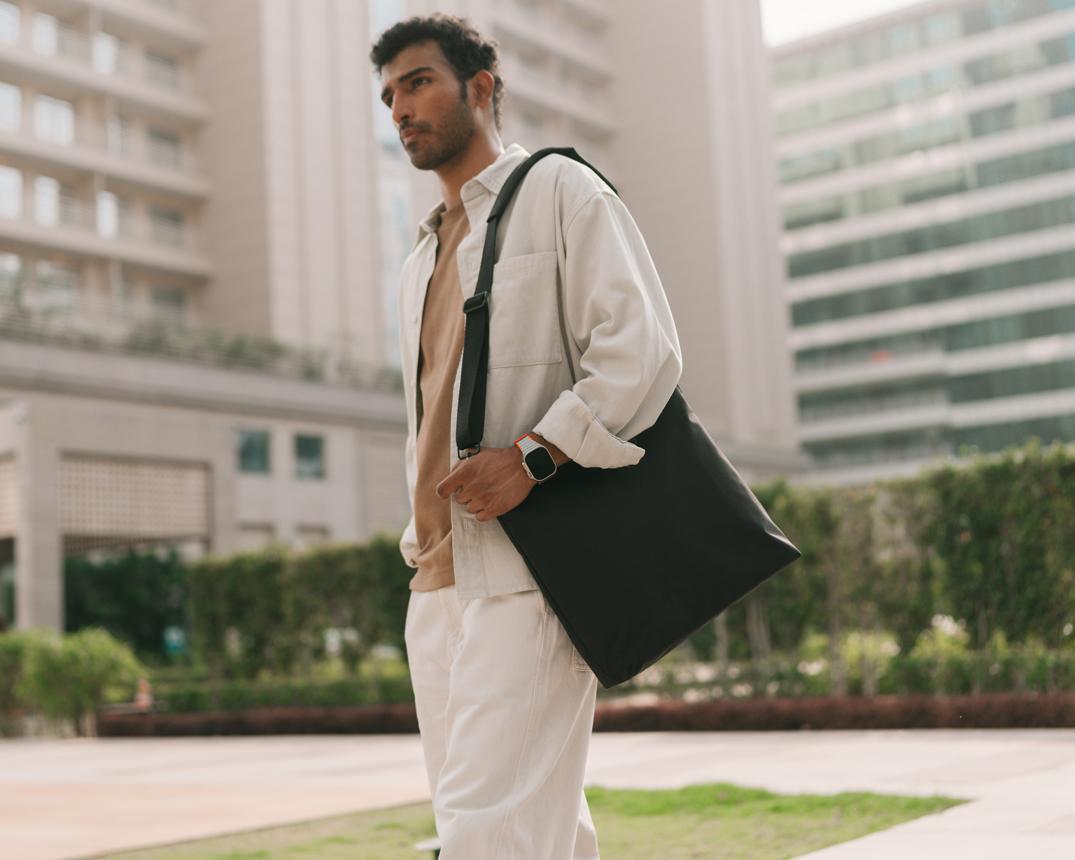
For daily commuting, carrying a laptop, dealing with rainy weather, and keeping your load lightweight: A nylon shoulder bag is usually the better choice. Pay attention to the denier rating and reinforced shoulder strap attachments. Avoid soaking it in strongly alkaline detergents, and reapply water-repellent treatment when needed.
-
For a structured shape, a natural cotton texture, and everyday use in relatively dry conditions: A canvas shoulder bag is worth considering. Look for 12 oz canvas or heavier, preferably with preshrunk fabric. Light-colored canvas shows dirt more easily, so consider whether you're comfortable with the natural signs of aging that develop over time.
-
For bags made with recycled nylon: Look for certification rather than relying on marketing claims. The Global Recycled Standard (GRS), developed by Textile Exchange, has different thresholds depending on the claim being made. Supply chain certification requires at least 20% recycled material, while consumer-facing recycled content claims on hangtags, websites, or care labels require at least 50%. Without third-party certification, a product description that simply says "recycled" doesn't tell you how much recycled material the fabric actually contains.
5. Final Thoughts: Choose Based on How You Actually Use Your Bag
By now, the decision should be much clearer.
If you want something lightweight, durable, and better suited to rainy conditions, nylon is the way to go.
If you prefer a structured shape, a natural cotton feel, and don't mind the extra weight or gradual aging, canvas is a good choice.
Before buying, check the fabric specifications, reinforced attachment points, preshrinking treatment, and potential coating wear. Asking these questions and inspecting these details can significantly reduce the chances of ending up with the wrong bag.
However, there's one thing no buying guide can decide for you: how you use your bag.
The same bag can have a very different lifespan depending on whether you constantly overload it and pull hard on one shoulder strap or carry a light load over short distances every day. Two bags made from identical materials can last very different lengths of time.
Fabric determines the foundation. Your everyday habits determine how long the bag will last.
Think about what you usually carry, how far you travel, and how frequently you use the bag before making your final decision.
For individual buyers, the tips above should be enough to help you compare product listings and inspect samples before purchasing.
For brands, sourcing teams, and businesses planning to develop their own nylon shoulder bag or canvas shoulder bag collections, there are a few additional considerations. Choosing the right fabric, determining reinforcement details, and approving samples are all essential parts of the manufacturing process.
That's exactly what XINHUI (Dongguan Xinhui Accessories Co., Ltd.) works with every day.
Established in 2006 in Chang'an, Dongguan, XINHUI has more than 20 years of experience in bag manufacturing. The factory regularly works with both types of shoulder fabric bags and offers several practical advantages worth checking:
-
In-house production: Sewing, screen printing, digital printing, embroidery, and hot stamping are handled in the company's own workshops. This reduces the need for multiple outsourced production stages and allows details such as shoulder strap reinforcement and bottom support to be finalized during sample development.
-
Quality control based on AQL 2.5: Bulk orders are produced against an approved golden sample. Incoming materials are checked for fabric weight, thickness, and relevant certifications, while finished products undergo sampling inspections. The same quality control process applies to both small orders of 300 pieces and larger production runs.
-
Factory audits and compliance: The factory holds a BSCI social compliance audit report and supports customer factory audits and third-party inspections. For products with an eco-friendly focus, organic cotton fabrics that meet GOTS standards are also available.
-
MOQ and sampling: Standard canvas shoulder bags have a minimum order quantity of 300 pieces. Customized samples are generally ready within 3–7 days. Pricing and mockups can be reviewed in advance based on your design and logo files.
Fabric specifications and reinforcement details are much easier to verify with a physical sample than through product photos.
If you already have a design, fabric preference, or logo file, you can send it over to discuss sample development and confirm the details first. There's no need to rush into bulk production before the sample has been approved.
Frequently Asked Questions
Q1: How Should I Store a Canvas Shoulder Bag or Nylon Shoulder Bag When Not in Use for a Long Time?
A: For a canvas bag, place soft fabric or crumpled paper inside to help maintain its shape. Store it upright and avoid prolonged compression, which can create permanent creases.
For a nylon bag, avoid repeatedly folding it and leaving it compressed at the bottom of a storage box. Repeated creasing can damage the coating and water-repellent finish, potentially causing cracks or white marks. Hanging the bag is generally a better option.
Both types should be stored in a dry, well-ventilated area to prevent moisture from accelerating the deterioration of the inner coating.
Q2: Which Fabric Is More Likely to Retain Odors or Stains from Hand Cream and Perfume?
A: Canvas has a more porous fiber structure, making it more likely to absorb odors. Perfume and hand cream scents can linger longer, while oils can penetrate the fibers and leave visible marks.
Nylon has a denser surface and is generally less likely to absorb odors. However, oils can still leave residue on the surface. If this happens, clean the affected area as soon as possible with a mild, neutral detergent.
Q3: What Happens to a Bag If I Always Carry It on the Same Shoulder?
A: Consistently carrying a bag on the same shoulder puts repeated stress on the same attachment points. Over time, the stitching may loosen, one side of the bag opening may gradually become distorted, and the overall shape may become uneven.
The bottom of the bag may also wear down more quickly on one side.
Whenever possible, alternate between your left and right shoulders. This helps distribute the load more evenly and reduces long-term stress and uneven deformation.
Related Article


