
What Is Woven Fabric and How It Shapes Textile Design
author: chunli
2025-11-19

When you step into the world of textiles, one of the first and most important terms you'll encounter is "what is woven fabric?" But what exactly does textile woven fabric mean? This crucial fabric type forms the foundation of both the fashion and interior design industries. Simply put, woven cloth refers to any material made by interlacing yarns at right angles to each other. Understanding what is woven fabric is essential for choosing the right material for your projects.
Woven Fabric Definition: The Structure of Textile Woven Fabric
Let’s dive deeper into this. The essence of woven fabric meaning lies in its structure. True woven cloth is made on a loom, where two sets of different yarns cross over and under each other. The vertical yarns are called the "warp" and are stretched and fixed on the loom. The horizontal yarns, known as the "weft," are then interwoven over and under the warp. This simple yet powerful crisscrossing method gives woven fabric its distinct strength and structure. Textile woven fabric can be made from almost any type of fiber, including cotton, silk, linen, wool, or polyester.
Key Characteristics of Woven Fabric: Why It’s Timeless
How can you recognize woven fabric? It depends on several key features that set it apart from other materials like knits.
-
Stability Over Elasticity: One of the main features of woven fabric is its lack of significant stretch along both the length (warp direction) and width (weft direction). It is known for maintaining its shape perfectly.
-
Durability: The tight interlacing of the yarns makes woven cloth very strong and resistant to wear and tear.
-
Diagonal Stretch: While typically stable, woven fabric can stretch diagonally, a characteristic used by tailors to create smooth garments.
-
Wrinkle-Prone: Its structured nature means these fabrics wrinkle more easily than knits.
-
Fraying Edges: When cut, woven fabric tends to fray at its non-finished edges (raw edges), unless properly treated with overlocking or zigzag stitching. However, the finished edges of woven cloth, which are tightly woven on the loom, won’t fray.
The stability, durability, and rich texture of woven fabrics make them ideal for creating high-end bags. From classic tote bags to stylish commuter backpacks, woven fabrics offer unparalleled structure and enduring quality.
For example, we at XINHUI fully leverage the advantages of woven fabrics in our products:
For example, we at XINHUI fully leverage the advantages of woven fabrics in our products:


Types of Woven Fabric: Exploring Textile Woven Fabrics
-
Plain Weave: This is the simplest and most common type of woven fabric. It follows a basic "over and under" pattern, creating a strong and versatile material. Examples include chiffon, taffeta, and canvas.
-
Twill Weave: You can easily identify twill woven fabric by its diagonal pattern. Twill fabrics are known for their durability and include materials like denim and gabardine. It's worth noting that the “denim culture” has capitalized on the unique fading effect that occurs as twill fabrics wear down over time.
-
Satin Weave: This weave produces a fabric with an extremely smooth, glossy front and a dull back. The sheen comes from the "float" threads. Satin is a prime example, though it can be made from silk or polyester fibers.

The Future of Woven Fabric: Tech and Sustainability in Textile Woven Fabrics
Modern woven fabrics have gone far beyond traditional boundaries, with technology infusing them with new life:
-
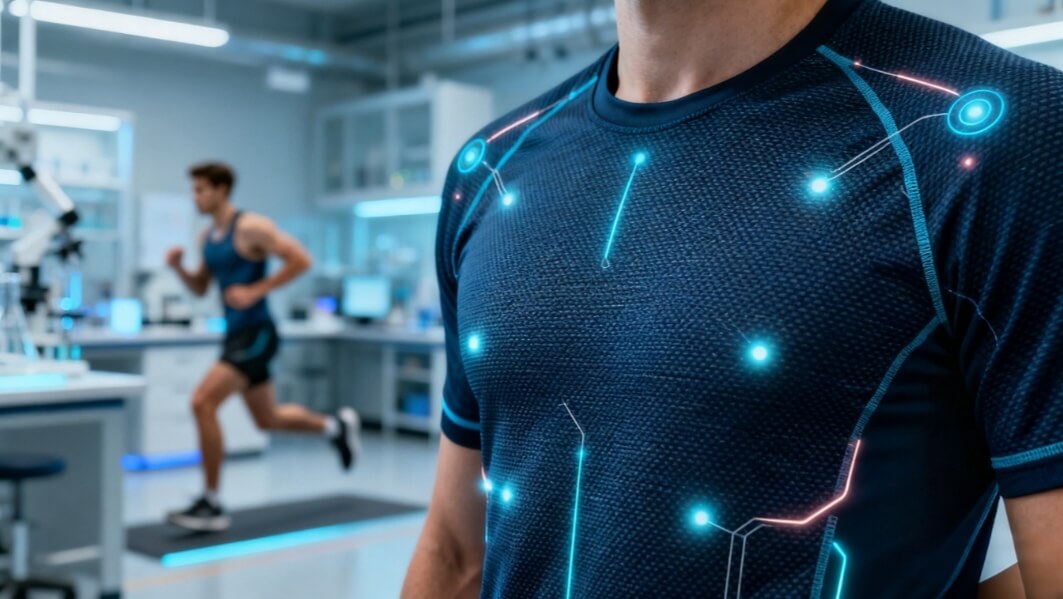
Smart Woven Fabrics: These incorporate conductive fibers to monitor vital signs such as heart rate or temperature, and are used in high-end sportswear and medical fields.
-
3D Weaving Technology: This technique creates three-dimensional structures that don’t require sewing, with applications in automotive interiors, aerospace composites, and high-performance athletic footwear uppers.
-
Eco-Friendly Woven Fabrics: Textile woven fabrics made from recycled polyester fibers, sourced from plastic bottles, and employing waterless dyeing techniques are making the fabric industry more sustainable.
How to Choose and Care for Woven Fabric
Shopping for Textile Woven Fabric:
-
Check the Fiber Content: 100% cotton woven fabric is breathable, while polyester blends are more wrinkle-resistant.
-
Look at the Yarn Count and Density: Higher yarn counts (like 80s or 100s) indicate a smoother, more durable woven fabric—signs of high quality. Shrinkage depends on the fiber content and pre-shrinking process.
Caring for Woven Cloth:
-
Prevent Shrinkage: For natural fiber woven fabrics like cotton and linen, it’s best to pre-shrink them before the first wash.
-
Distinguish Washing Methods: Delicate woven fabrics like silk require cold hand washing or professional dry cleaning, while cotton and linen can be machine washed but tend to wrinkle, requiring ironing.
-
Ironing Tips: Satin weaves, like silk, should be ironed on a low heat, while cotton and linen woven fabrics can be ironed with steam to restore smoothness.
-
Proper Storage: Keep your wardrobe dry and well-ventilated, particularly for woolen woven fabrics, which need moth protection.
What Kind of Bag Is Best for the Beach?
What is Cotton Fabric?
Related Article

Sport bag buyers should check shoe space, lining, ventilation, and load balance. Learn what to inspect before ordering or customizing yours.
Why a sport bag Can Fail When the Shoe Compartment Fills

Quality inspection helps buyers keep repeat canvas tote orders consistent. Learn four checkpoints and practical standards to reduce quality disputes.
Why Repeat Orders Fail Without quality inspection

