
What Is Nylon Made From? Unveiling the Secrets of Nylon Material
author: chunli
2025-12-15

When we think about nylon material, we often picture durable backpacks or hard-wearing jackets. But have you ever asked, what is Nylon made from? This versatile synthetic fiber has an intriguing history and more complex properties than you might expect. Whether it's about is nylon stretchy, choosing a practical nylon bag for clothes, or selecting a sleek see through nylon bag for clothes, understanding the science and innovations behind nylon can help us make better choices.
What Is Nylon Made From? Understanding the Origins of Nylon Material
To answer what is Nylon made from, we need to look at it from a chemical standpoint. Unlike natural fibers like cotton or silk, nylon material is a fully synthetic polymer. The first nylon was developed in the 1930s by DuPont, marking a revolutionary step in the world of textiles.
Nylon’s main components are derived from petrochemicals. For example, nylon 66 is created by polymerizing hexamethylenediamine and adipic acid. This process links the molecules together, forming long chains that become the tough nylon fibers we recognize today.
Key Properties of Nylon Material: Why Is It So Popular?
1. Is Nylon Stretchy? Understanding Its Elasticity
Yes, nylon stretchy is one of its standout features. The secret lies in the hydrogen bonds between nylon molecules. When nylon is stretched, these bonds temporarily break and reform, allowing the fibers to return to their original shape once the force is removed. This characteristic makes nylon material incredibly durable and resistant to wear and tear. For instance, a nylon bag for clothes can maintain its shape even when filled with heavy items.
2. Lightweight, Durable, and Waterproof
One of the key advantages of nylon material is its lightweight nature. Despite its strength, nylon is easy to carry and resists water. This makes it an ideal fabric for a variety of uses, from travel bags to a see through nylon bag for clothes. The water-resistant properties help protect your belongings from moisture, while its durability ensures long-lasting use.
Innovative Uses of Nylon Material: A Focus on Storage Bags
While many articles discuss nylon material in general terms, let’s explore its more specialized uses, particularly in the world of nylon bags for clothes.
1. The Rise of the See Through Nylon Bag for Clothes
Traditional nylon bag for clothes often doesn’t offer visibility, making it hard to find what you're looking for. Modern see through nylon bag for clothes solves this issue by incorporating a special transparent nylon technology. This innovation doesn’t change what is Nylon made from, but it uses materials like nylon 12 to create a clear, durable bag. Not only does this maintain the stretchability and lightness of nylon, but it also allows for better visibility and easier access to your clothes.
2. Advanced Features in High-End Nylon Bag for Clothes
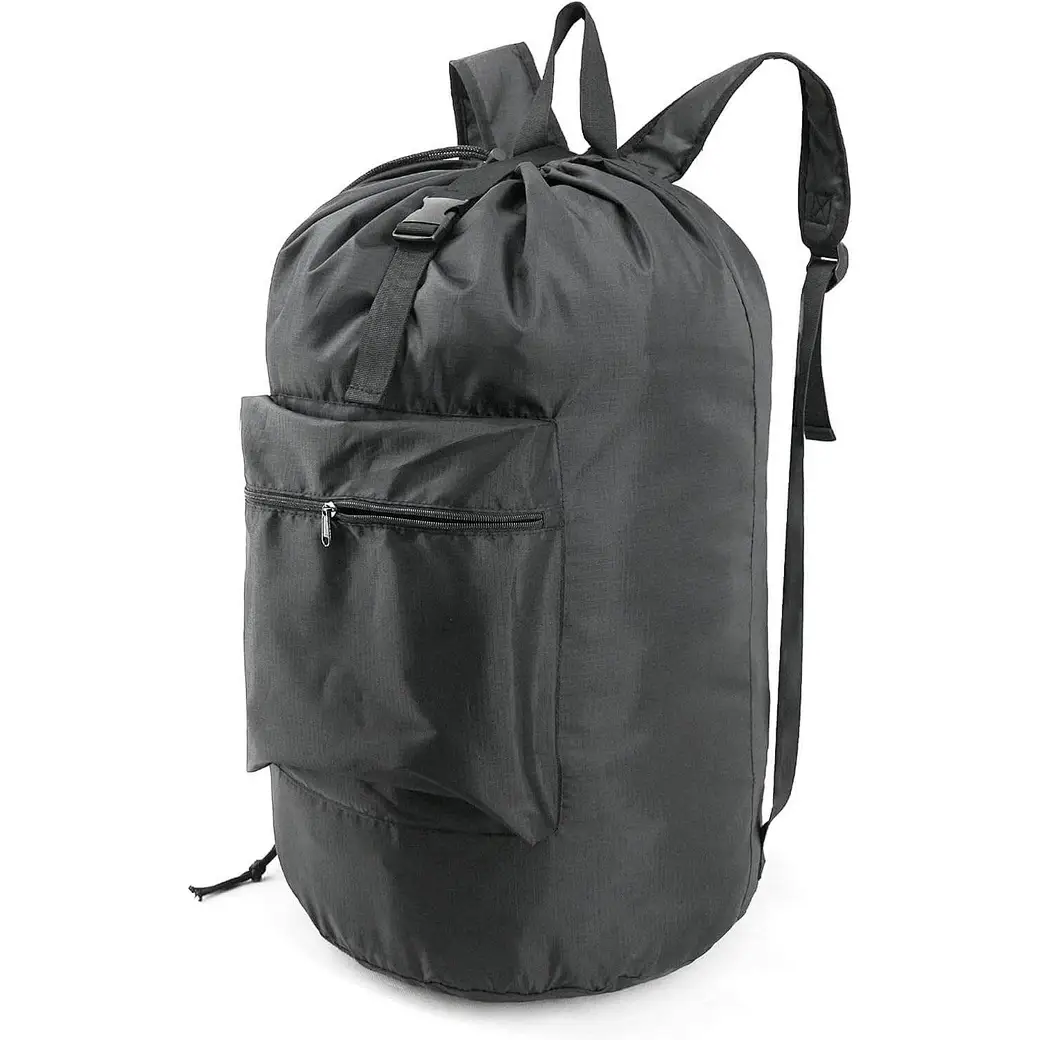
A premium nylon bag for clothes is more than just a simple storage solution. Manufacturers are incorporating various features, such as:
-
Anti-tear fabrics: Specially woven nylon blends to prevent rips or tears.
-
Waterproof coatings: Layers of PU or TPU films to ensure full protection from moisture.
-
Antibacterial treatments: Added to prevent the growth of bacteria or mold in sealed bags.
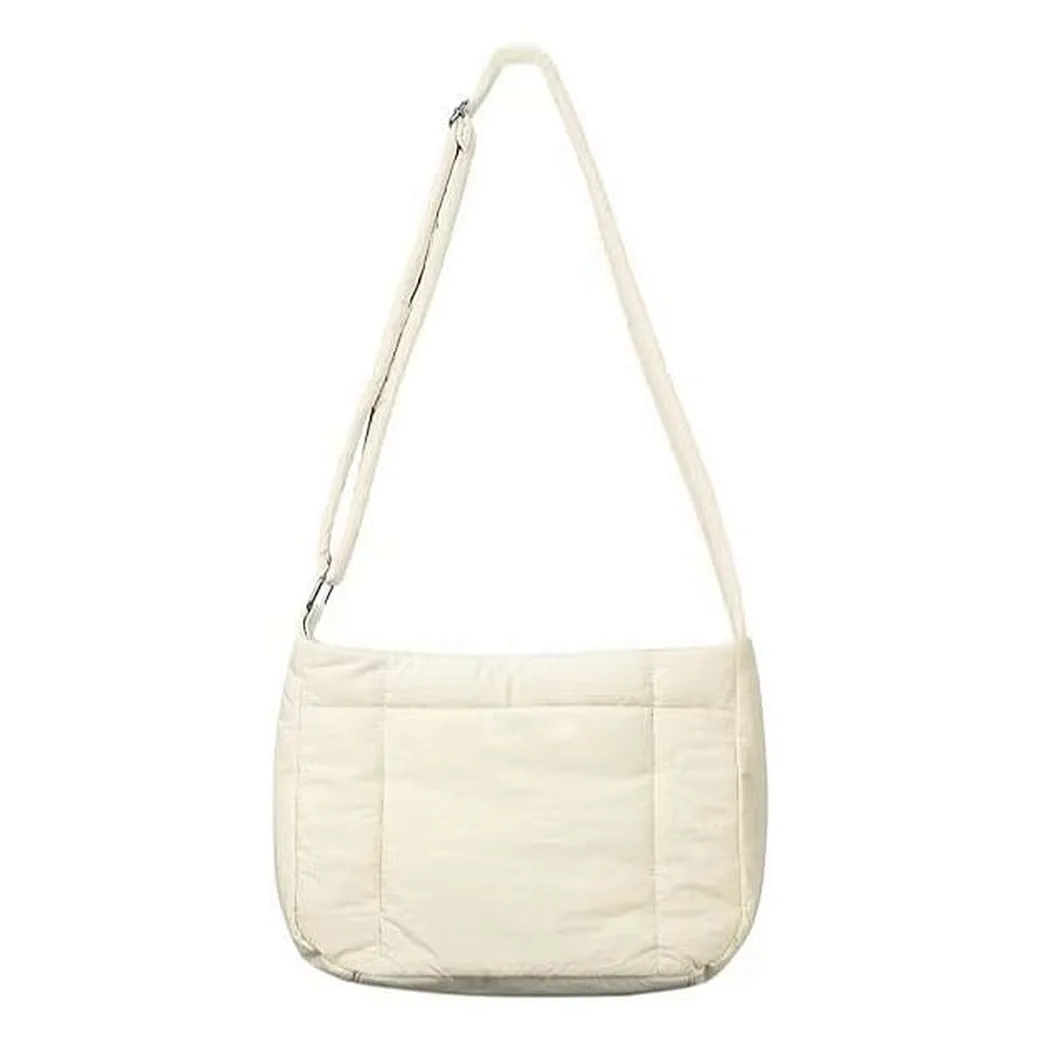
These innovations make nylon bags for clothes both functional and high-performance, demonstrating the potential of nylon material.

The Future of Nylon Material: Sustainability Challenges and Innovations
As we understand more about what is Nylon made from—especially its reliance on petroleum and its non-biodegradability—sustainability has become a key focus in the nylon industry. But exciting breakthroughs are already transforming the future of nylon material.
1. Bio-Based Nylon: A Sustainable Alternative
Scientists are now exploring ways to produce nylon material from renewable resources such as castor oil, corn stover, or even waste cooking oil. This shift to bio-based nylon could significantly reduce its carbon footprint and reliance on fossil fuels.
2. Biodegradable Nylon: A Step Toward Eco-Friendliness
One of the most promising developments is the creation of biodegradable nylon. Researchers are designing nylon fibers that can break down in the environment, solving the issue of nylon’s persistence in landfills. This innovation could address the “white pollution” problem associated with nylon material.
3. Closed-Loop Recycling: Giving Nylon a Second Life
Recycling is another key area of focus. Waste nylon, such as old fishing nets or discarded carpets, can be broken down and reprocessed into high-quality new fibers. This process creates nylon bags for clothes made from 100% recycled materials, supporting the circular economy.
Conclusion: Making Smarter Choices with Nylon Material
From asking what is Nylon made from, to understanding is nylon stretchy, to selecting the best nylon bag for clothes, our understanding of nylon material has become deeper and more informed.
As consumers, we can support sustainability by choosing bio-based or recycled nylon, opting for durable products like a high-quality nylon bag for clothes, and responsibly recycling our nylon items. By doing so, we can enjoy the high-performance benefits of nylon while promoting a more sustainable and eco-friendly future for this incredible material.
In-Depth FAQs: Beyond Basic Knowledge of Nylon Material
Q1: What’s the Difference Between a See Through Nylon Bag for Clothes and a Regular Nylon Bag? Is It Scratch-Prone?
A: The main difference lies in the chemistry of the materials. See through nylon (like nylon 12) uses different monomers compared to regular nylon (like nylon 6 or 66). By controlling the crystallinity of the polymer chains, it achieves transparency. This can make its surface slightly softer and less resistant to scratches than more crystalline nylons. We recommend using see through nylon bags for clothes to store smooth clothing items like shirts or down jackets and avoid mixing them with items that have sharp metal embellishments. However, the core toughness and strength of nylon material remain outstanding, so you don't have to worry about tearing during normal use.
Q2: What’s the Difference Between Bio-Based Nylon and Recycled Nylon? Which Is More Eco-Friendly?
A: These are two distinct concepts representing different environmental approaches:
-
Bio-based nylon focuses on the raw material source (i.e., what is Nylon made from) and uses renewable resources like castor oil or corn to replace petroleum-based monomers. This reduces reliance on fossil fuels.
-
Recycled nylon focuses on the product lifecycle, recycling waste nylon products (such as fishing nets and discarded fabrics) into new nylon materials, addressing the issue of waste.
Which is more eco-friendly? Both approaches are complementary, not competing. The ideal future scenario would be the development of nylon that is made from renewable resources and fully recyclable after use. Both options are more sustainable than virgin petroleum-based nylon.
Q3: Why Do Some Premium Nylon Bags Advertise Using "Nylon 66" Instead of Regular Nylon? Can Consumers Notice the Difference?
A: Nylon 66 offers higher melting points, better strength, and superior heat resistance compared to the more common nylon 6. This results in:
-
Better Durability: Nylon 66 fibers are tougher and more abrasion-resistant, making nylon bags for clothes last longer.
-
Improved Shape Retention: It’s less prone to deformation in high-temperature environments (such as a car trunk).
-
Better Feel: High-end nylon 66 fabrics often undergo special treatments to feel smoother, more like silk or high-quality cotton, rather than the cheap "plastic" feel of lower-grade materials.
Experienced consumers might notice these differences in texture, weight, and shine, but the real advantage of nylon 66 reveals itself over time through reliable long-term performance.
Q4: How Should We Set Expectations for "Biodegradable" Nylon Technology?
A: This is an important frontier. Currently, "biodegradable" nylon typically requires specific industrial composting conditions (like precise temperature, humidity, and microbial environments) and will not break down naturally in the environment or a backyard like fruit peels. The technology is still in its early stages, facing challenges like cost, performance, and the strict conditions required for degradation. However, it represents an important direction for material science, where the "end of life" of materials is planned from the outset. It is one of the ultimate goals of the circular economy. As consumers, it’s important to look for certified standards (such as industrial composting certification) and understand its limitations.
Q5: How Can I Identify and Choose a Truly High-Quality and Durable Nylon Bag for Clothes?
A: In addition to brand and price, here’s what to look for:
-
Material Label: Check for labels indicating “Nylon 66” or “Recycled Nylon” (like Recycled Nylon). This is usually a sign of higher quality.
-
Workmanship: Inspect the stitching—ensure it’s tight and sturdy with no loose threads. Zippers should be smooth, preferably from reputable brands like YKK.
-
Feel the Fabric: High-quality nylon fabric should feel soft yet strong, not brittle or overly thin. For see through nylon bags for clothes, check that the transparency is even with no obvious defects.
-
Attention to Detail: Look for features like waterproof seals, breathable windows, and antibacterial treatments that enhance functionality.
Ultimately, a high-quality nylon bag for clothes is the perfect combination of material science, manufacturing craftsmanship, and practical design.
The Perfect Small Backpack: Combining Style, Function, and Comfort
Decoding Denim: What is Denim Fabric Made Of ?
Related Article

Sport bag buyers should check shoe space, lining, ventilation, and load balance. Learn what to inspect before ordering or customizing yours.
Why a sport bag Can Fail When the Shoe Compartment Fills

Quality inspection helps buyers keep repeat canvas tote orders consistent. Learn four checkpoints and practical standards to reduce quality disputes.
Why Repeat Orders Fail Without quality inspection

