
What is GSM Fabric? Understanding GSM Weight and Fabric Types
author: chunli
2025-12-25
What is gsm fabric? GSM (grams per square meter) is the unit used to measure fabric weight, representing how much a square meter of fabric weighs in grams. gsm weight is a widely adopted standard in the textile industry, influencing a fabric's feel, usage, and overall comfort. Accurately measuring fabric weight is crucial for selecting the right fabric, while comparing gsm to gsm ensures you make the best choice for your needs. Understanding these concepts is essential for anyone involved in fabric selection, from designers to DIY enthusiasts.
GSM Weight: The Science Behind Fabric Measurement
GSM (grams per square meter) is the internationally accepted unit for measuring fabric weight. This standard ensures consistency and comparability across global textile markets. Unlike subjective descriptions like “lightweight” or “heavy,” GSM provides an objective and quantifiable measure of a fabric's weight.
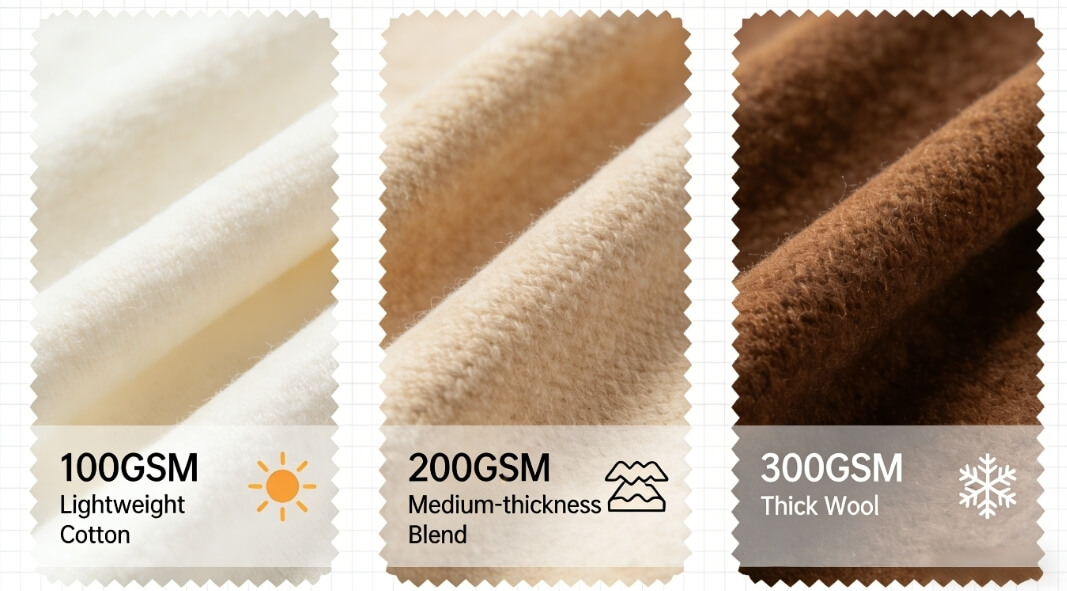
A lower GSM indicates a lighter, thinner fabric, while a higher GSM signifies a heavier, thicker material. For example, a 100 GSM fabric is lighter than a 300 GSM fabric, and this precision allows for more efficient fabric sourcing and design, eliminating errors caused by subjective judgment.
How GSM Affects Fabric Weight and Feel
The gsm weight of a fabric directly impacts its texture and suitability for different uses. Fabrics with different GSM values have distinct characteristics that make them suitable for various applications.
-
Lightweight fabrics (1-150 GSM) are ideal for summer clothing, like dresses or scarves, where breathability and comfort are essential.
-
Medium-weight fabrics (150-350 GSM) offer durability and are used for casual wear like T-shirts or home textiles.
-
Heavyweight fabrics (350-500 GSM) are suitable for outerwear and home decor, providing warmth and durability.
Understanding the gsm weight helps you select fabrics that best match your project needs.
What is GSM Fabric? Practical Applications and Types
When it comes to practical fabric choices, understanding what is gsm fabric in various contexts is essential. Here’s a breakdown of different fabric types by GSM:
-
1-150 GSM: Lightweight fabrics like chiffon and lace. Ideal for summer wear and decorative purposes.
-
150-350 GSM: Medium-weight fabrics such as cotton and polyester. Used for everyday clothing like T-shirts and casual dresses.
-
350-500 GSM: Heavy fabrics like denim and canvas. These are best for outerwear and accessories like jackets and backpacks.
-
500+ GSM: Extra-heavy fabrics for items like thick coats and industrial textiles.
This understanding of gsm weight allows for precise fabric selection depending on your needs.
The Importance of Comparing GSM to GSM
When selecting fabrics, comparing gsm to gsm is vital for making informed decisions. However, it’s important to consider the material’s properties alongside its GSM value. For example:
-
A 170 GSM polyester fabric might feel different from a 170 GSM cotton fabric due to the density and structure of the fibers.
-
A 200 GSM linen fabric can be more breathable and lighter than a 200 GSM polyester fabric.
Therefore, understanding the differences in gsm to gsm comparisons is key to ensuring the fabric’s functionality matches your project’s needs.
Fabric Weight and Sustainability: A Key Consideration
An often-overlooked aspect is how gsm weight correlates with sustainability. Heavier GSM fabrics typically require more raw materials but have longer lifespans, which can reduce environmental impact in the long term. For example, a 350 GSM organic cotton fabric may last longer, meaning fewer replacements and less waste over time.
In contrast, lighter GSM fabrics, although more eco-friendly in terms of raw material usage, may need to be replaced more frequently, potentially making them less sustainable over time. Therefore, choosing the right gsm weight involves considering both the fabric’s durability and its environmental footprint.
Balancing Fabric Weight and Cost: Key Considerations
When purchasing fabric, fabric weight is closely linked to cost, but not always in a straightforward way. For example, a 120 GSM silk fabric may be more expensive than a 200 GSM cotton fabric because of silk’s higher production costs.
In making decisions, consider the “unit weight value” of the fabric—this refers to the cost-effectiveness of each gram of fabric. Instead of simply focusing on low or high gsm weight, evaluating the material’s overall quality and cost efficiency will lead to better fabric choices within your budget.
How to Choose the Right Fabric Based on GSM Weight
Choosing the correct fabric involves understanding gsm weight and its relevance to your needs. Here's a guide for selecting fabric based on GSM:
-
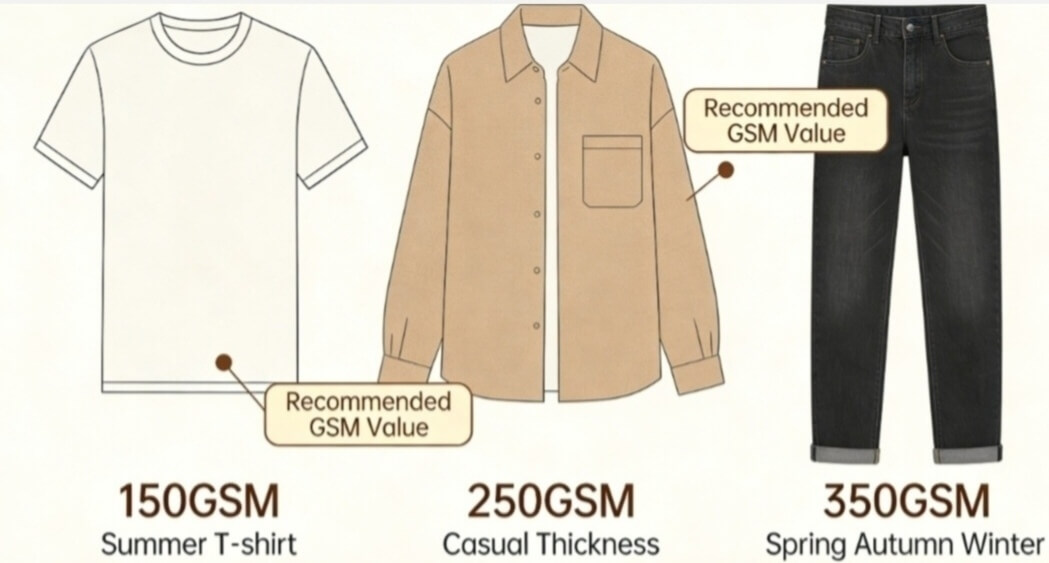
Summer Clothing: Opt for lightweight fabrics (100-170 GSM) like cotton or linen for breathability and comfort.
-
Sportswear: Go for fabrics with a GSM between 150-220, such as polyester or nylon blends, for quick-drying and moisture-wicking properties.
-
Casual Wear: Medium-weight fabrics (170-250 GSM) are ideal for everyday comfort and durability.
-
Winter Outerwear: Heavyweight fabrics (300-450 GSM) like wool or thick cotton provide warmth and insulation.
-
Home Textiles: Fabrics in the 200-350 GSM range are perfect for items like curtains and sofa covers, offering the right balance of weight and texture.
Accurate Measurement of GSM Fabric Weight
To measure fabric gsm weight accurately, follow these steps:
-
Cut a 10 cm x 10 cm square sample of fabric.
-
Weigh the sample using a precise electronic scale (accurate to 0.01 grams).
-
Multiply the weight (in grams) by 100 to determine the GSM value.
For example, if the sample weighs 0.5 grams, the GSM value would be 50 (0.5g × 100 = 50 GSM).
Conclusion: Mastering GSM Weight for Smarter Fabric Selection
What is gsm fabric? It’s the fundamental standard used to measure fabric weight and is critical for choosing the right material. By understanding gsm weight, you’ll be able to assess a fabric’s suitability, comfort, and durability. Using a fabric weight chart is essential for making informed choices, while comparing gsm to gsm will ensure you select the best option for your needs.
In a world where fashion and functionality meet, mastering GSM knowledge not only helps you choose better fabrics but also supports sustainable fabric choices. Whether you're a designer or fabric lover, understanding gsm weight will add immense value to your projects and purchases.
How to Wash Burlap Material Safely
Best Family Reunion Giveaway Ideas: Creative Gifts for Every Guest
Related Article

Sport bag buyers should check shoe space, lining, ventilation, and load balance. Learn what to inspect before ordering or customizing yours.
Why a sport bag Can Fail When the Shoe Compartment Fills

Quality inspection helps buyers keep repeat canvas tote orders consistent. Learn four checkpoints and practical standards to reduce quality disputes.
Why Repeat Orders Fail Without quality inspection

