
What is Cashmere: Origins, Ethics, and Impact
author: li
2026-04-08
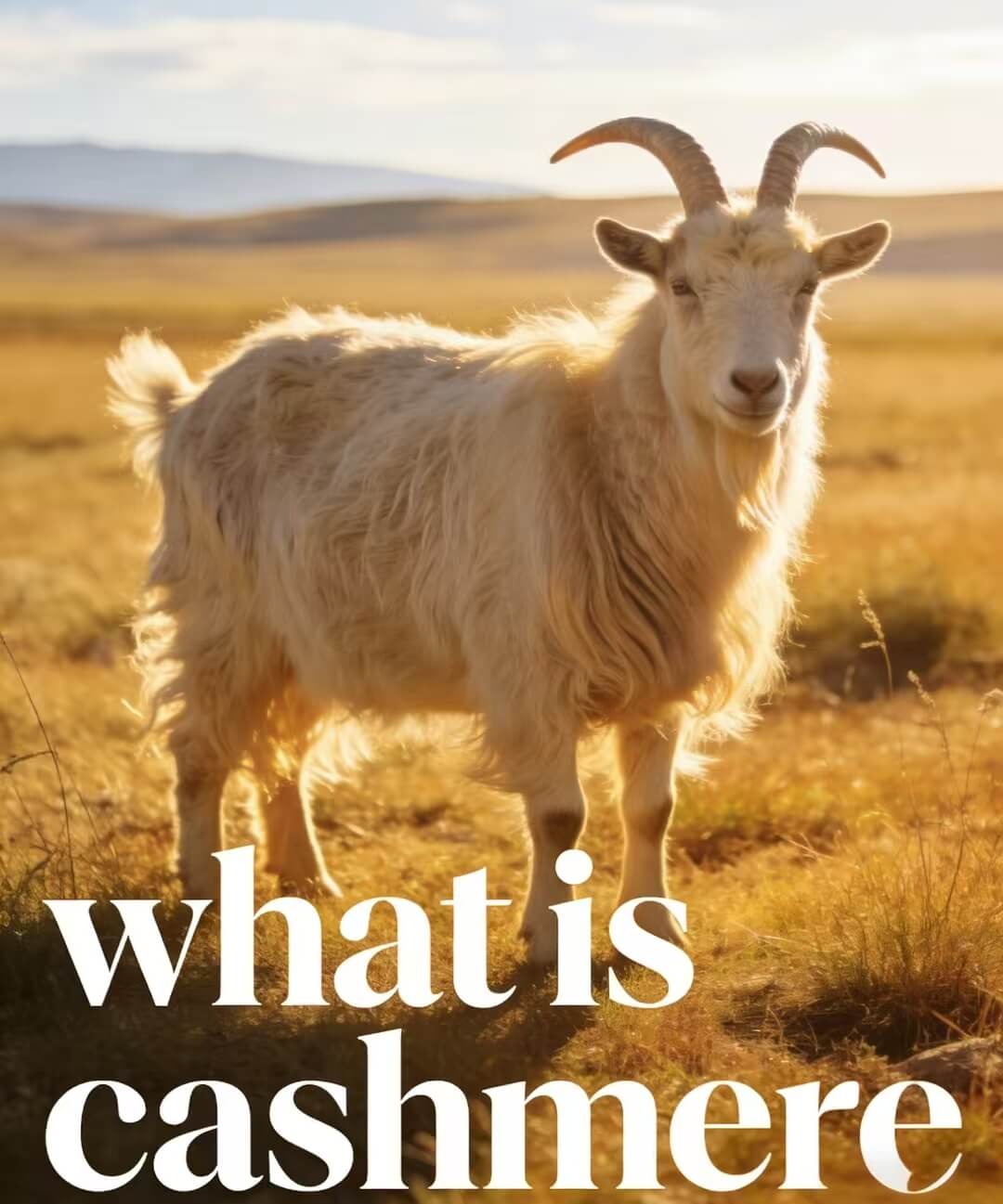
Intensive farming can make cashmere more affordable, but overgrazing leads to widespread environmental damage and animal suffering.
Cashmere Qualities from Kashmir Goats
Cashmere has been used for clothing and accessories for thousands of years, becoming a luxury fashion fabric in Europe in the 19th century. In recent years, cashmere has become more accessible to consumers, but the methods used to raise the goats for cashmere still come at a high cost. Furthermore, cashmere production has unsustainable environmental effects, which are often worsened by climate change.
What is Cashmere Made From
cashmere comes from the fine undercoat of several breeds of goats, historically found in the Kashmir region of northern India. This soft undercoat grows during the cold winter months and naturally sheds in the spring.
What is Cashmere Origins
China is the largest producer of raw cashmere, accounting for over 60% of global production. Mongolia ranks second, producing more than 25%. By 2000, China was purchasing over half of Mongolia's raw cashmere , giving it significant influence over cashmere prices.
Although these two countries supply the majority of cashmere , Afghanistan, India, Iran, Turkey, and Pakistan are also producers.
For centuries, this fabric has symbolized status and luxury worldwide. In Europe, cashmere became a highly sought-after imported good from the 18th century, cherished by royalty and the wealthy.
Yet, the history of cashmere begins in the 13th century in Kashmir. For decades, this region of the Indian subcontinent has endured violence and political unrest. Many Western consumers of cashmere products named after Kashmir remain largely unaware of the region's troubled history.
Why is Cashmere Expensive
Unlike many other types of wool, cashmere comes only from Kashmir goats. People favor cashmere because it is warm, soft, comfortable to wear, and rarely causes skin irritation—qualities that naturally drive up the price.
Other factors influencing the cost include the amount of wool required and the time it takes to make cashmere products. One cashmere sweater can require the wool of 4–6 goats, and a single goat takes a year to grow enough hair for just one cashmere scarf.
Some cashmere blends mixed with other fibers are less expensive, but pure cashmere remains costly.
What is Cashmere Production
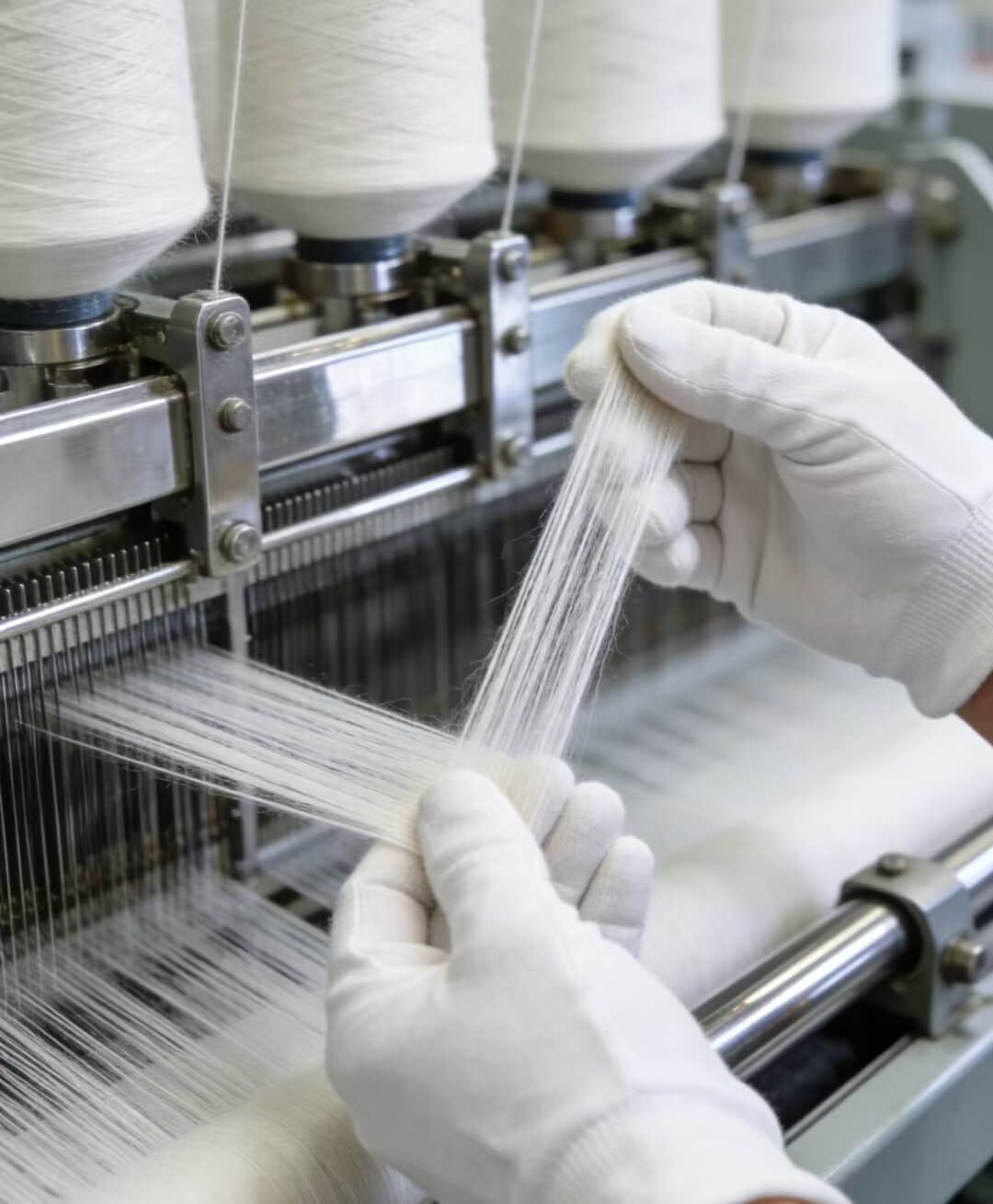
Today, fine-toothed combs are generally used to harvest cashmere , rather than scissors or brushes, because cutting can damage both the outer and inner coats, reducing the goat’s ability to withstand harsh weather.
All cashmere products—from sweaters to scarves—start with raw fibers. The process often involves dyeing, blending with other fibers like silk or wool, and combing the fibers to create a “sliver.” The sliver is then spun into yarn, which is woven into fabric.
Is Cashmere Vegan
cashmere comes from goats, so it is an animal byproduct and not vegan. Plant-based alternatives to cashmere exist and could help the fashion industry reduce reliance on animal-derived fabrics if widely adopted.
Are Cashmere Products Cruel
Many assume that cashmere production is painless for goats because the hair is not removed like fur. Animal rights advocates, however, disagree.
The Royal Society for the Prevention of Cruelty to Animals (UK) reports that combing cashmere goats can take up to an hour with their legs tied, causing bruises, scratches, and other injuries.
Even after a goat is no longer used for cashmere, its suffering continues. A 2019 investigation of Chinese and Mongolian cashmere industries found that goats are often sold to slaughterhouses, sometimes dying slowly.
Cashmere Ethics and Environment
cashmere production burdens animals and the environment. Despite the market for cashmere garments expected to reach $3.5 billion by 2025, many Mongolian herders remain in poverty. Overgrazing has degraded their land, worsening desertification caused by climate change.
Do Kashmir Goats Suffer
While goats are often allowed to graze freely, many endure harsh weather to grow high-value cashmere, and they experience pain during combing. In China and Mongolia, goats have minimal legal protection against abuse.
Are Goats Killed for Cashmere
Many assume cashmere goats are safe because their hair is not meat, but when they stop producing wool, they are sent to slaughter. Investigations reveal these goats endure treatment similar to animals raised for meat.
What is Cashmere Impact
The billion-dollar cashmere industry increasingly harms the environment. In Mongolia, goats account for 60% of livestock, and overgrazing depletes grasslands, threatening wildlife and local communities.
Excessive grazing worsens climate events like dzud, leaving livestock without food or water. Research links global cashmere demand to soil erosion, habitat loss, and biodiversity decline.
Why You Should Avoid Buying Cashmere
cashmere is expensive and damaging—to animals, the environment, and sometimes even human communities.
Fortunately, alternatives to cashmere exist, from affordable retail options to high-end designs. These non-animal-based fabrics offer a way to enjoy soft, stylish clothing without the ethical and environmental costs of cashmere.
Crossbody Backpack Bag for Hands-Free Travel and Comfort
Crepe Fabric Bags: Elegance Meets Practicality
Related Article

Sport bag buyers should check shoe space, lining, ventilation, and load balance. Learn what to inspect before ordering or customizing yours.
Why a sport bag Can Fail When the Shoe Compartment Fills

Quality inspection helps buyers keep repeat canvas tote orders consistent. Learn four checkpoints and practical standards to reduce quality disputes.
Why Repeat Orders Fail Without quality inspection

