
How Can a Velvet Bag Stay Soft and Spotless?
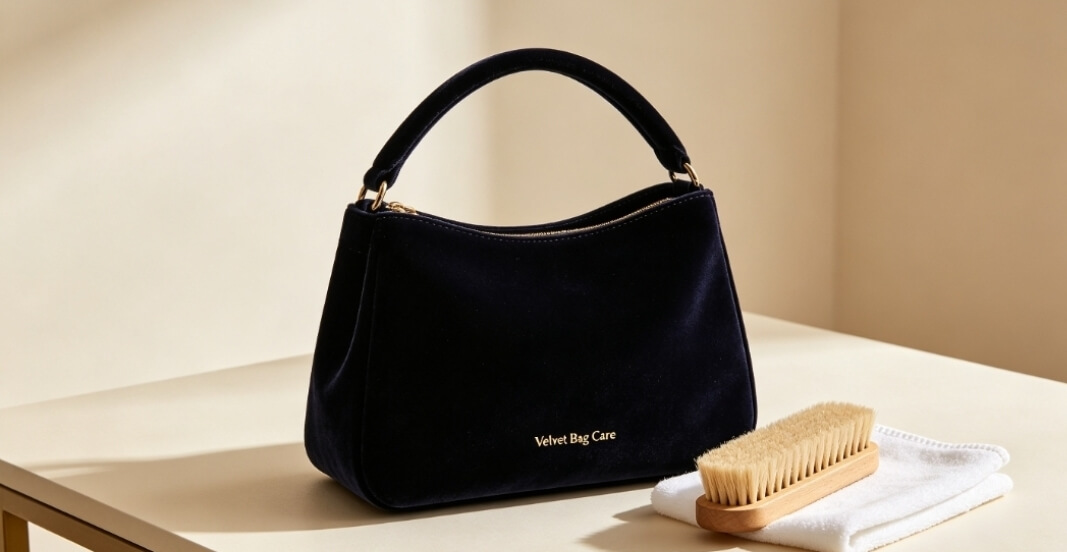
When a velvet bag gets dirty, many people’s first instinct is to wash it with water, scrub it hard, or apply a strong cleaning product. Unfortunately, these methods can leave the bag looking dull, shiny, or flattened instead of clean. Light dust and small stains can usually be treated without leaving a trace, but improper cleaning techniques can quickly ruin the original texture of a velvet bag.
If you want to master cleaning velvet bag care properly, you don’t need complicated tools or professional equipment. The key is to understand what velvet can and cannot tolerate and adjust your cleaning method to the fabric’s delicate pile. Most online tutorials only cover general cleaning steps and overlook the details specific to velvet bags, such as structured bodies, corners, seams, and straps. That is one of the main reasons people follow cleaning tutorials and still end up damaging their bags.
Unlike ordinary fabric or leather bags, a velvet bag should never be treated as if it can simply be washed and scrubbed. Velvet has a dense, soft pile that can easily develop water marks or become matted when wet. Aggressive rubbing can flatten the pile and create permanent shiny or uneven areas that are difficult, if not impossible, to restore.
For anyone learning how to clean a velvet bag, the first habit to break is the idea that ‘if it’s dirty, wash it; if it’s dirty, scrub it.’ The correct care approach is to start with spot treatment and dry dust removal, and only consider deeper cleaning when necessary. This minimizes exposure to both moisture and friction.
Start With Dry Dust Removal
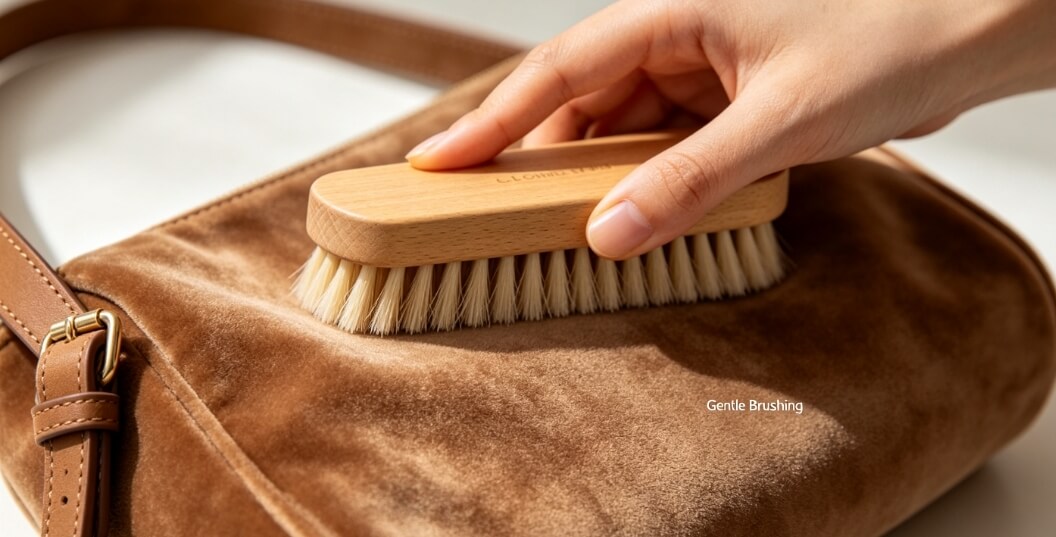
The first step in cleaning velvet bag care is dry dust removal, and it is one of the most commonly skipped steps. Use a fine, soft makeup brush or a soft garment brush. Gently brush the body, corners, seams, and strap areas in the natural direction of the pile.
Avoid brushing against the pile or scrubbing back and forth. These movements can disturb the velvet fibers and leave certain areas looking messy or flattened. Once the pile structure is damaged, later cleaning may not be enough to restore its original, even appearance.
For everyday dust, lint, and light surface debris, dry brushing is usually all you need. There is no reason to introduce water. Only when you notice visible stains, fingerprints, or light soiling should you move on to a gentle wet-cleaning method. This is one of the most important principles in how to clean a velvet bag safely and efficiently.
Treat Small Stains Gently
For localized stains on a velvet bag, you can prepare a mild cleaning solution at home. Mix 240 ml of room-temperature water with one teaspoon of a mild detergent specifically formulated for delicate fabrics.
Soak a clean white cotton cloth in the solution and wring it out thoroughly until it no longer drips. Gently dab the stained area, working from the outside edge of the stain toward the center to lift the dirt rather than spreading it.
Never rub in circles or scrub aggressively. Rubbing can push dirt deeper into the pile while flattening the surface fibers, leaving an unattractive shiny patch. After treatment, use a dry white cotton cloth to gently blot away any remaining moisture, then allow the bag to air-dry naturally in a well-ventilated, shaded area.
This gentle approach is at the heart of effective cleaning velvet bag care: lift the stain instead of forcing it deeper into the fabric.
Avoid Harsh Cleaning Products
A common mistake is using dish soap, heavy-duty household stain removers, or other strong cleaners on velvet bags. These products can contain relatively high concentrations of surfactants or other aggressive ingredients that may weaken delicate velvet fibers.
With repeated use, harsh cleaners can cause fading, a stiff or rough pile, and loss of the fabric’s soft sheen. Luxury bag care guidelines generally recommend using a mild, delicate-fabric cleaner that is appropriate for velvet rather than a general-purpose household cleaner.
How to Clean a Velvet Bag Without Washing
If the velvet surface looks slightly flattened or dull, you do not necessarily need to wash the bag. A handheld garment steamer can often help restore the pile.
Hold the steamer about 3–5 cm away from the bag and quickly pass steam over the flattened area. The gentle heat and moisture can help relax the fibers. Once the fabric has cooled slightly, use a soft brush to gently lift the pile in its natural direction.
Never press an iron directly against velvet or use high heat at close range. Direct heat can scorch or permanently flatten the delicate fibers.
For anyone wondering how to clean a velvet bag when the problem is mainly a flattened pile rather than actual dirt, steaming and gentle brushing are often safer than washing.
Match the Method to the Velvet
High-end velvet bags made from pure silk velvet have very little tolerance for mistakes. The fabric can easily lose its shape or color when exposed to water. If there is a heavy stain or extensive soiling, professional dry cleaning is the safer option.
More affordable velvet accessories made from polyester or rayon velvet can generally tolerate limited spot cleaning, but they should still never be fully soaked or aggressively wrung out.
The right velvet bag care method depends on the specific fiber composition. When in doubt, check the manufacturer’s care label before applying any cleaning solution.
Prevent Dirt Before It Starts
Regular maintenance can significantly reduce how often you need to deep-clean a velvet bag and can help extend its lifespan.
After each use, give the bag a quick dry brush to remove dust and lint. When storing it, place it inside a breathable dust bag and keep it away from pressure, stacking, and direct sunlight.
Long-term exposure to sunlight can accelerate fading and fabric deterioration. Constant pressure can also flatten the pile in specific areas, sometimes leaving damage that is difficult to repair.
Good daily habits are therefore an essential part of cleaning velvet bag maintenance. Prevention is almost always safer than repeated deep cleaning.
Keep Your Velvet Bag Looking New
Once you understand how to clean a velvet bag correctly, maintaining its soft texture and subtle sheen becomes much easier. Many velvet bags that look old or worn are not necessarily suffering from natural aging. Repeated improper cleaning and poor storage can cause much of the visible damage.
With gentle daily care, targeted stain treatment, and careful storage, you can keep your velvet bag looking fresh for much longer without constantly resorting to deep cleaning.
FAQ
Can I Use Adhesive-Removing Wipes or Alcohol Wipes on Velvet?
No. Alcohol and adhesive-removing wipes may contain harsh chemicals that can affect the surface dye, causing localized fading and color differences. They can also weaken the velvet fibers, leaving the pile stiff, damaged, or prone to shedding.
These types of wipes should therefore be avoided when cleaning velvet bag surfaces.
How Can I Prevent a Light-Colored Velvet Bag From Turning Yellow?
Yellowing on light-colored velvet is often associated with hand oils and sweat, accumulated dust, and moisture-related oxidation.
Keep your hands clean and dry before handling the bag, brush away dust regularly, and store the bag in a cool, dry, well-ventilated place. Avoid sealing it in a damp or poorly ventilated environment. These simple habits can help prevent discoloration and dullness.
How Can I Quickly Remove a Slight Odor Without Washing the Bag?
You do not need to wash the bag just to remove a mild odor. Place it in a cool, shaded, well-ventilated area and allow it to air out for 2–4 hours.
You can also place unscented moisture-absorbing paper inside the bag to help absorb humidity and odors. Avoid direct sunlight and high-temperature drying throughout the process.
This is one of the simplest ways to care for a velvet bag while avoiding unnecessary moisture and friction.
Are Corduroy Bags Really Better With Zippers?
Build a Better Home First Aid Kit From the Inside Out
Related Article


