
Twill Denim Code: Unlocking the Soulful Choice for Your Denim Bags
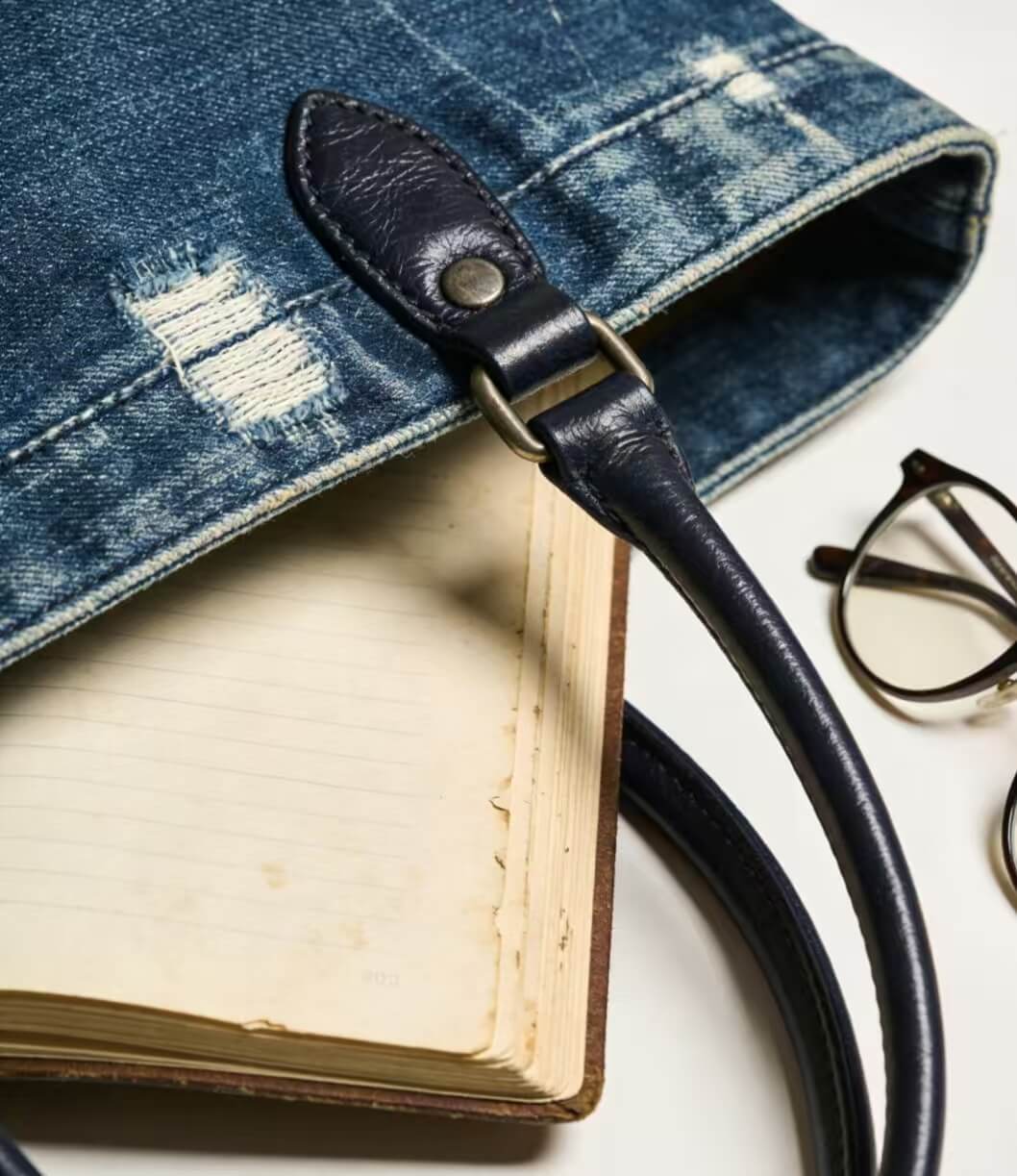
Have you ever wondered: What is twill vs denim? When shopping for your favorite denim pieces, these two terms often appear together, yet their meaning can be confusing. Online, there’s no shortage of discussions about denim vs twill, but most barely scratch the surface. Today, we want to take you deeper into the difference between twill and denim, and reveal how to use this “twill denim code” to pair the perfect bag with your jeans, finding a match that truly resonates.
Understanding the Foundation: Twill Denim
First, let’s clarify a fundamental relationship: Denim is a type of fabric, while twill is the backbone that gives the fabric its soul—a classic weaving method. As defined in textile references, denim is “a coarse twill fabric, typically indigo-dyed.” In other words, without twill, there would be no denim as we know it today. Every denim piece, from classic blue jeans to rugged workwear, is based on the twill weave. So, when discussing denim vs twill,
we aren’t comparing two separate things; we’re understanding the inseparable symbiosis between the fabric (Denim) and its core structure ( Twill).
Why Is Twill Weave Used for Jeans?
The answer lies in both history and function.twill weave interlaces warp and weft threads at a specific angle (commonly three-over-one-under or two-over-one-under), forming the diagonal ridges unique to the fabric. This structure not only makes the material denser and stronger, but also gives it exceptional durability and resilience—qualities 19th-century miners and cowboys relied on. Denim woven in twill has a tight texture with clear diagonal lines. Over time, the indigo warp fades with wear, exposing the white weft and creating unique fades that record the wearer’s life.
Decoding the Three Major Twills: Personality in the Weave
Right-Hand Twill (Z-Twill)
Left-Hand Twill (S-Twill)
Broken Twill
From Weight to Style: Discovering Bull Denim
-
Lightweight (under 10oz): Soft and flexible, perfect for casual totes, drawstring bags, or small carry bags.
-
Midweight (10–13oz): Balances durability and comfort, commonly used in everyday jeans, classic backpacks, and messenger bags.
-
Heavyweight (14oz+ like Bull Denim): Represents top durability. Bags made from bull denim are structured, solid, and can carry heavy loads, developing deep, personal wear over time—ideal for workwear and Americana enthusiasts.
Pairing a Bag That Understands Your Jeans
Now it’s time to apply the “twill denim code.” Choosing a bag becomes a conversation with your jeans rather than a random match.
-
If you favor classic raw denim (often right-hand twill), choose a bag in right-hand twill and medium-to-high weight denim. This ensures consistency in style, with structured shapes complementing the rigid lines of your jeans, while fading evolves in sync.
-
For soft, worn-in jeans (possibly left-hand twill), a medium-weight left-hand twill bag is a better fit. Its soft touch and natural drape blend with your relaxed style.
-
For unique textures and minimal deformation over time, a broken twill bag is perfect. The zigzag pattern adds visual interest, and the weave keeps the bag’s shape long-term.
-
For ultimate durability and rugged workwear style, a heavyweight bull denim bag is unbeatable. It’s strong, structured, and makes a bold statement, pairing perfectly with heavy denim jackets or work pants.
Velour Fabric or Velvet? Velour VS Velvet Winter Guide
Your Next Bag: Viscose Material or Cotton? A Practical Guide
Related Article


