
From Novice to Pro: Unlocking Secrets of How to Paint Canvas Tote Bags
author: li
2026-04-14
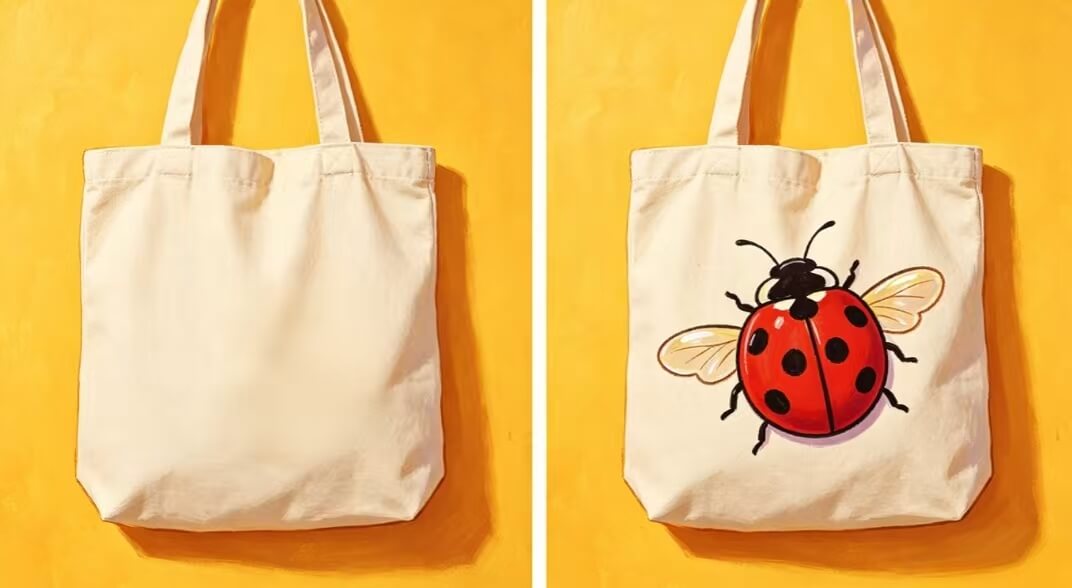
Have you ever been captivated by those unique hand-painted tote bags on social media, only to feel paralyzed by the thought: ‘Looks easy, but I’ll ruin it if I try’? The internet is full of basic how to paint canvas tote bags tutorials, yet when you finally pick up your brush, problems quickly pile up: cracking paint, blurry patterns, or designs that fade after one wash. Today, we’ll skip the generic advice and tackle the real challenges faced by advanced artists when doing tote paint, while sparking your creativity with fresh paint tote bag ideas .
The Science of Paint for Tote Paint
When searching “what kind of paint do you use on a tote bag? ”, most answers say simply ‘acrylic’. That’s only half the story. To make your artwork truly durable, you need to understand why.
Fabric-specific paints vs. regular acrylics: Professional fabric paints are formulated with polymer resin specifically for fibers. Once dry, they remain flexible and withstand repeated folding and washing. Ordinary artist acrylics, though adhesive, dry into a stiff layer, which may crack over time on soft, frequently folded canvas.
Secret weapon: Fabric Medium – This transparent additive, mixed with regular acrylics in the correct ratio, transforms your paint to mimic professional fabric paints. It makes the paint flexible and breathable, letting you expand your color palette freely while maintaining durability. For serious creators, this is a must-have for to paint .
Prepping Canvas for Tote Paint Success


Another common question: “ is it better to paint on primed or unprimed canvas? ” This comes from traditional oil painting knowledge, but tote bags are different.
Canvas tote bags are usually cotton and may have sizing (starch-like coating) from the factory. Instead of traditional gesso, focus on prepping:
-
Washing and ironing: Gently wash with water to remove sizing and impurities. Ironing afterward creates a smooth surface for your tote paint.
-
Advanced priming: For ultra-smooth results or thick layers, a thin coat of diluted PVA glue or fabric primer can form a subtle barrier, controlling absorbency and allowing brushstrokes to glide. Optional, but useful for ambitious painting tote bag ideas.
Endless Inspiration: Painting Tote Bag Ideas
Move beyond simple flowers and letters with these creative approaches:
-
Nature texture prints: Not just leaves—use onion mesh, lace, or bark. Dip in paint and press on the bag for unique backgrounds.
-
Negative space magic: Want to paint a cat? Outline only the silhouette and glowing eyes, leaving the rest blank. Instant sophistication.
-
Visualize personal stories: Turn coffee stains, GPS walking routes, or favorite book pages into abstract lines and blocks. That’s a bag with real meaning.
Accurate Transfer Techniques for Tote Paint
For complex designs, freehand is tricky. Beyond transfer paper, try:
-
Projector tracing: Project your digital design onto the tote bag and lightly pencil the outline—a lifesaver for portraits and detailed illustrations.
-
Classic graphite paper: Rub graphite or white charcoal on the back of your design, place on the bag, and trace. Simple, precise, and cost-effective.
Salvaging Mistakes in Tote Paint
What if you make a mistake? Don’t panic.
-
Wet paint fixes: Use a clean brush with water or a cotton swab to lift fresh paint.
-
Dry paint tricks: Turn dried errors into part of the design—an accidental red dot can become a ladybug. Alternatively, cover with opaque fabric paint or acrylic markers for local touch-ups.
-
Full reset: For large unsatisfactory areas, cover with titanium white or light acrylic, then repaint after drying. Your bag becomes a fresh canvas.
Making Tote Paint Last: Heat-Setting & Care
Ironing is standard, but you can do more:
-
Heat-setting principles: Use a medium-heat iron (cotton/linen setting, 150–180°C) with a cloth over the design. Press each area 30–40 seconds after 24 hours of complete drying.
-
Ultimate protection: Spray fabric sealant on handles or bottom after full heat-set and 72-hour dry time. This increases abrasion and water resistance, keeping your hand-painted bag beautiful longer.
-
Cleaning guidelines: Always turn inside out, wash gently in cold water with mild detergent, avoid soaking or scrubbing, and air-dry away from heat.
Design with Life: Functional Painting Tote Bag Ideas
Remember: you’re making a functional item. Let design meet purpose:
-
Commute bags: Use muted geometric or linear patterns for professional versatility. Ensure paint adhesion.
-
Beach bags: Go bold with bright blues and yellows. Wave or palm designs pop with water-resistant fabric paint.
-
Gift bags: Incorporate personal elements like pet outlines or musical instruments for a heartfelt, unique gift.


Hand-painting a canvas tote is more than coloring—it’s a blend of material science, creative design, and practicality. By considering pigment chemistry, fiber prep, and contextual design, you evolve from hobbyist to creator. Now, pick up your brush and give that ordinary canvas tote a truly unique life with tote paint, how to paint canvas tote bags, and endless painting tote bag ideas.
Unlock Endless Possibilities with Canvas Tote Bag Decorating
From Campus to Office: How a Tote Bag for School Defines Our Era
Related Article

Bulk order risk starts before production. See how quality control in manufacturing keeps custom canvas bags consistent and protects your investment.
Why Your bulk order Can Fail Despite Perfect Samples

Sport bag buyers should check shoe space, lining, ventilation, and load balance. Learn what to inspect before ordering or customizing yours.
Why a sport bag Can Fail When the Shoe Compartment Fills

