
Tote Bag Business: Maximizing Profits Without Burnout
If you want to get into the tote bag business , or you are already a tote bag maker , you’ve probably noticed a frustrating loop: selling canvas tote bags in volume barely makes any profit.
Outsiders might think the market is saturated, but the real answer lies hidden in the supply chain. Why are tote bags so affordable bulk wholesale? There’s no magic here—it’s all solid industrial logic. Let’s skip the high-tech fabric fluff and get practical: we’ll talk about whether this business is actually profitable and how ordinary people can squeeze out some profit.
For anyone just figuring out how to start a tote bag business , nine out of ten stumble into the same trap: thinking cheap wholesale prices mean poor quality. That mindset needs to change.
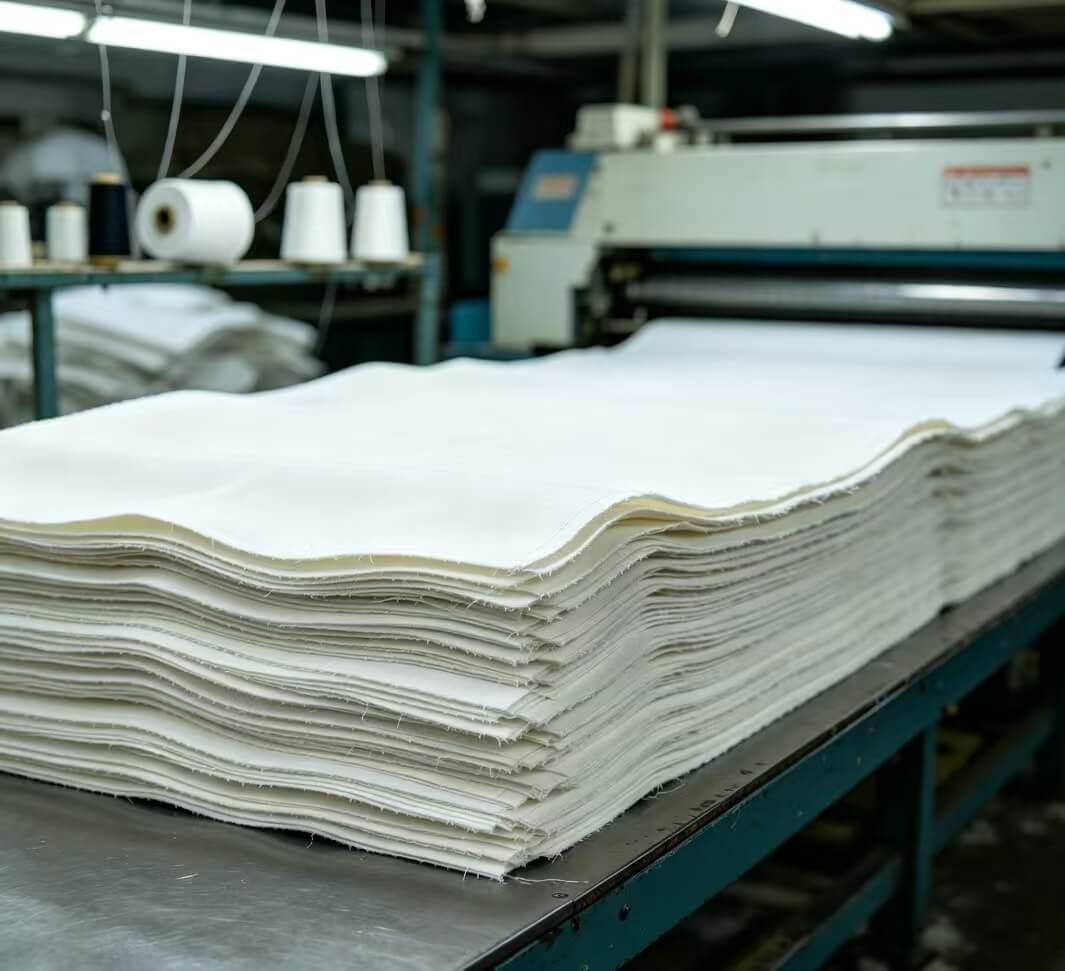
I’ve been a tote bag maker for over a decade, and I can guarantee that the most basic 12oz canvas tote bag is one of the most mature products on the industrial line. Its affordability comes from extreme process standardization:
- Minimal waste in cutting and layout: A tote bag is just a few rectangles sewn together. Computerized layout can use over 99% of the fabric roll; the scraps left aren’t even suitable for cleaning machines.
- No need for molds: Worldwide, canvas widths and webbing sizes are limited and ready-made. No need for expensive hardware or design specialists.
- Printing costs are shockingly low: Forget about the tens of dollars per bag in digital printing. Once you switch to water-based screen printing in bulk, the cost per print drops to mere cents.
Here’s a practical tip: since bulk tote bags are so cheap, don’t rush to rent a factory or buy equipment. Partner with a reliable contract manufacturer, minimize mold costs, and keep the minimum order quantity (MOQ) low. Stick to universal patterns for bulk wholesale. Focus your energy on finding the right channels and clients—there’s no need to babysit sewing machines.
Tote Bag Business: Understanding Current Demand
Many people worry about this and ask me: Are tote bags in high demand?
Honestly, if you’re still focused on plain white “Save the Planet” canvas totes, that’s a dead-end. Supermarkets and events give them away for free—who would pay? But if you shift your attention from “eco-friendly” buzzwords to practical, niche everyday scenarios, you’ll see tote bag sales have been booming in the last couple of years.
Modern buyers don’t just want something to carry stuff—they want a personalized container for their specific hobbies or needs. From 2024 to 2026, we’ve watched certain niche paths take off, with profits skyrocketing.
Take anti-dirt totes for plant enthusiasts, for example. Weekend trips to the plant market or hauling trees from the suburbs often mean muddy messes. Regular canvas bags collapse after a few washes. By adding a simple PE waterproof lining and a few luggage-style feet, we increase production cost by less than $5, yet wholesale prices double. Social media is full of people hunting for the same style.
Weddings are another example. “Bridesmaid emergency kits” now favor linen blends over stiff canvas. Linen drapes beautifully and looks premium, and the bag can hold flats, makeup, even a bottle of champagne. Selling these as sets to wedding planners yields triple the cost in profit per bag.
So stop asking whether the market still wants canvas bags. The real question is: “What will your clients actually carry tomorrow?” High demand hides in these concrete actions.
Tote Bag Business: How Profitable Are Tote Bags
At some point, you must confront the hard question: How profitable are tote bags?
If you’re still stuck on plain 12oz single-color canvas prints, stop now—gross margins rarely hit 30%. But this business isn’t hopeless. With a bit of insight, a $10 bag can sell for $50.
Many B2B sellers think totes are just mobile billboards. Wrong. A skilledtote bag maker doesn’t sell bags as ads—they sell them as clients’ “social badges.”
Here’s a real example: a local band didn’t want shiny, flat digital prints. They requested a slightly textured, vintage-style water-based screen print with imperfect edges. Fans loved the “authentic” feel, and the $15 bags sold for $45 each, disappearing instantly.
To double profits, focus on three psychological levers:
- Belonging: Print specific aesthetic styles, not overused logos.
- Aesthetic rebellion: Make the bag feel like art—it becomes a fashion item, not a giveaway.
- Practical value: Emphasize capacity—a 14” laptop plus clothes fits easily. Make buyers feel it’s stylish and functional.
The tote bag business isn’t a Silicon Valley unicorn—it’s craftsmanship, fabric, stitching, and human insight.
Ignore hype about “smart bags.” Look at niche scenarios that big manufacturers overlook. Use reliable bulk manufacturing logic to minimize costs, then apply business savvy to package it. Whether selling via wholesale or building your own tote brand , one thing matters: people always need a bag that’s both useful and represents them. Master this, and this old-school business can outpace flashy new industries.
Tote Bag Storage Tips: Practical Decluttering Solutions
Sinch Bag and Drawstring Trash Bag: True Holiday Must Haves
Related Article


