
Can tackle bag fishing Handle a 2 km Hike?
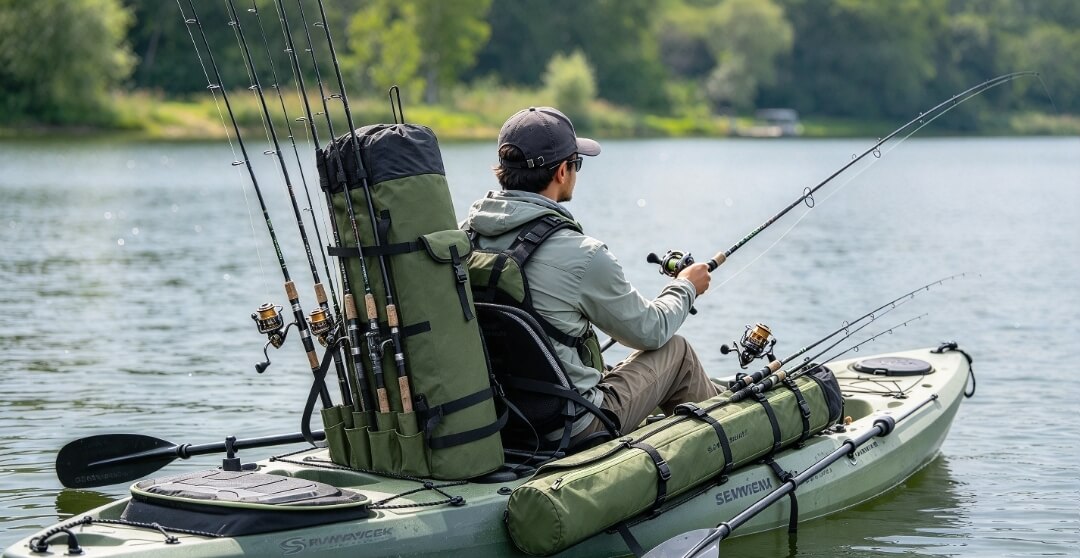
For tackle bag fishing, a two-kilometer hike to a remote lake cove can be more demanding than it looks. The fabric may feel tough and abrasion-resistant, yet your shoulders can still ache by the end of the walk. The pack may swing from side to side, forcing you to stop and rearrange the fishing gear inside. Many anglers choose a bag by comparing fabric thickness alone and overlook the real strain caused by hiking with gear.
A tackle box bag is meant to organize a full set of freshwater fishing equipment, not simply to show how many lure boxes it can hold. The same bag may work reasonably well when you sit on the bank for a short session, but its weaknesses become obvious during a long hike to the water. Many tackle bag fishing products on the market are designed around stationary bank-fishing use, without structural changes for long-distance walking. After buying them, anglers often find that they are only really practical for short trips.
Prioritize Carry Hardware for tackle bag fishing
When choosing a tackle box bag, the first thing to check is the carrying hardware. The sternum strap and hip belt are not decorative extras. During a hike, the sternum strap brings the shoulder straps closer together and reduces side-to-side movement. The hip belt transfers part of the load to your hips, easing the pressure on your shoulders. Without these two support points, even a tough bag can build up significant shoulder fatigue after hours of walking with a full load of freshwater fishing equipment.
When you get the actual product in your hands, do not look only at the outside dimensions. Check the usable interior space. Interior space determines how much freshwater fishing equipment you can actually carry. A bag can look large from the outside while bulky dividers take up a surprising amount of room inside, leaving less practical space for lure boxes. Some products, for example, are advertised as holding four 3600-size lure boxes, but once loaded, the zipper becomes difficult to close and the boxes shift around inside.
Balance Weight for tackle bag fishing
For hiking and bank fishing, you do not need to chase the highest-denier, heaviest fabric available. 600D-900D polyester is generally enough to handle gravel around the lake, brush, and everyday abrasion. As denier increases, bag weight rises as well. Once the empty bag is added to a full set of fishing gear, the total carried load can climb quickly. Based on practical fishing tests, a complete load for hiking bank fishing is best kept around 6-8 kg. Beyond that range, physical fatigue tends to increase noticeably during longer walks.
The base structure also needs to match the hiking environment. A molded EVA bottom is a better fit than a simple double-layer fabric base. As the bag moves repeatedly during a hike, the hard edges of lure boxes can keep rubbing against the bottom. An EVA base spreads local pressure and helps slow wear. There is no need to add a marine-grade thick anti-slip rubber layer. In a hiking environment, that extra rubber mainly increases overall weight without delivering proportional benefits.
Optimize Storage for freshwater fishing equipment
For a bag designed for hiking, the storage layout should separate the main compartment from external tool attachment points. Keep lure boxes in the main compartment, while pliers and line cutters can be secured on external loops. Keeping metal tools out of the main compartment reduces the chance of scratching the lining. Adding elastic straps or hook-and-loop webbing inside the main compartment also helps hold lure boxes in place and reduce movement and impact while walking.
From a product-development perspective, a fishing bag built for hiking bank fishing needs the carrying system to be part of the core specification during the OEM stage, rather than an accessory added later. Reinforcement should focus on the shoulder-strap stitching, bottom corners, and external D-rings. The divider system should be modular, allowing anglers to remove sections when needed, reduce unused internal volume, and minimize the movement caused by an underfilled bag. Fabric selection should balance abrasion resistance with weight instead of simply copying the heavy-duty configuration used for offshore fishing bags.
These high-wear areas also need basic load and movement testing at the sample stage. The reinforced shoulder-strap stitching, bottom corners, and external D-rings should be tested for load movement, while seam strength should be checked to verify structural reliability before production.
Choose the Right Size for tackle bag fishing
A common mistake when buying fishing storage products is assuming that bigger capacity is always better. More capacity means you can carry more freshwater fishing equipment, but it also means a heavier overall load. For hiking, plan the amount of gear around the distance you expect to walk, then choose the bag capacity. Do not automatically buy the largest size available.
The right tackle box bag can make a long walk to a remote fishing spot much easier, but it cannot eliminate the physical effort of carrying fishing gear. For this kind of specialized tackle bag fishing application, many brands discover that a sample can look excellent on paper yet reveal problems in real hiking tests, such as excessive pack movement or unnecessary weight.
XINHUI Bags Factory specializes in custom outdoor fishing storage bags and understands the real-world pain points of tackle bag fishing products. During development, the factory validates samples against freshwater hiking and bank-fishing conditions, evaluating weight distribution, carrying hardware, and total bag weight. Its outdoor fabric supply chain supports material matching across nylon, polyester, and EVA components. Before shipment, it can also carry out seam-strength, abrasion, and loaded-movement testing. This supports ODM/OEM projects from structural prototyping and pattern adjustments through mass production, while allowing brands to plan product lines for different budgets. Final performance still depends on the fabric specification and cost range selected by the brand.


FAQ
Q1: Can a regular hiking backpack replace a fishing storage bag for hiking bank fishing?
A: A regular hiking backpack can carry fishing gear temporarily, but it usually lacks fishing-specific external attachment loops and lure-box retention features. Exposed hooks can puncture a standard backpack lining, and long-term wear may be noticeably higher than with a dedicated fishing bag.
Q2: Does a tackle box bag for hiking bank fishing need a fully waterproof, sealed construction?
A: Hiking bank fishing is more likely to involve dew, light rain, and splashing water. A PU water-repellent coating is usually enough for this use. A fully sealed waterproof construction makes the bag stiffer and heavier, which can increase physical fatigue during long walks.
Q3: How should the same bag be adjusted for short bank-fishing sessions versus long-distance hiking?
A: For short sessions, you can carry a full set of fishing gear. For long hikes, remove lure boxes and accessories you do not expect to use. Then use the internal hook-and-loop webbing to tighten the empty space and reduce movement inside the bag.
How to Maintain a rucksack camera and Extend Its Protective Life
Tackle Bag Mistakes That Could Ruin a Great Fishing Trip
Related Article


