
Why your old tote beats new sustainable purses?
Have you noticed that every time you search for sustainable purses, what pops up is always “top 10 brand recommendations”? Stella McCartney, Cuyana, Matt & Nat, Freitag… the same names over and over, with an occasional Vegan leather explainer thrown in. I’m not saying those are useless, but they all assume one thing: if you want to be eco-friendly, you have to buy something new and “sustainable.”
But that assumption? I think it's worth questioning.
Once a bag has been produced, its most energy-intensive phase is already done. The only thing you can do is keep it out of the trash bin for as long as possible.
So for regular people, the priority for cutting carbon should be reversed:
-
Use your current bag longer (cheapest and most effective)
-
Then consider buying second-hand or classic styles
-
Only last look at new “sustainable” bags
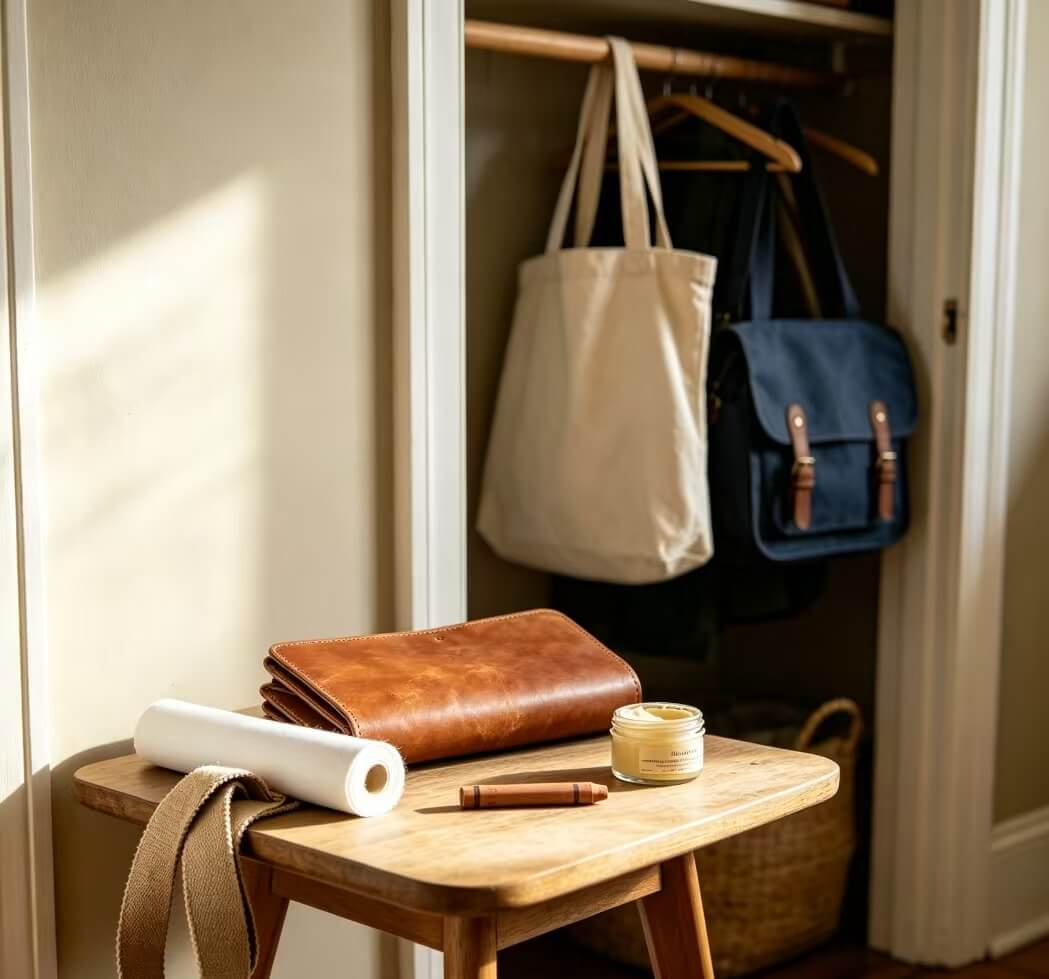
First, store it properly between seasons.
Stuff leather bags with two old t‑shirts plus white tissue paper to hold the shape. Hang canvas bags on a closet rod. Old‑school leather repair guys often say more than half the bags they get that are “beyond saving” were actually crushed into permanent creases or grew mold from bad storage — not from actual wear.
Second, don’t rush to the counter for minor damage.
If a canvas strap gets fuzzy, rub it with a crayon in the same color and the fraying smooths right out. For light scratches on leather, use colorless lanolin cream and an old sock in circular motions. If the bottom corners are worn, grab a transparent anti‑wear sticker from Pinduoduo for $1.50 and it’ll hold for another two years. Stores will tell you to replace the whole panel for a scratch — totally unnecessary.
Third, don’t carry just one bag every day.
Use a tote for commuting, a small crossbody for dates, a messenger for short trips. Rotating three or four bags cuts the stress on each one by half. If you load the same tote with a laptop every single day, the straps loosen in three months; rotate and they last a year and a half — that’s basically one free bag.
How to Pick Sustainable Purses Without Paying the “Eco Tax”
The small‑bag market for sustainable purses has been flooded with “Vegan leather, 100% plant‑based” claims lately. But insiders know: most products labeled Vegan leather are still PU or PVC coatings underneath. So‑called pineapple leather or apple leather is often just fiber powder mixed in for color. After two or three years they crack and flake — less eco‑friendly than a genuine leather bag that lasts ten.
When shopping, just check these three things — no need to memorize a dozen certifications:
-
Is the style one you won’t get tired of after five years? Totes, messengers, and square bags are classics; even if you get bored, someone on Xianyu will take them off your hands.
-
Does the brand offer repairs? Cuyana totes have paid repair service; Freitag lets you send back old bags for new hardware. Repairability means longevity — much more real than shouting “recyclable.”
-
Is it the size you’ll actually carry daily? Lots of people buy mini bags from sustainable bag brands , find them too small after two uses, and let them sit. That’s the least eco‑friendly outcome of all.
Second‑Hand Sustainable Purses: Why They Beat New Bags
Almost every “sustainable bag” puff piece skips this: buying used beats buying a new “eco‑certified” bag in terms of carbon footprint, because the most energy‑intensive production step was already paid for by the previous owner.
Good candidates for second‑hand:
-
Classic canvas totes (like Longchamp — tough, used prices start at 30% of retail)
-
Vegetable‑tanned leather brands (Freitag, some local artisan labels — they get nicer with age)
-
Cambridge satchels, messenger bags — the kind that never seem to wear out
Three checks when buying used — no tools needed:
-
Smell. Skip anything with mildew or a harsh chemical odor.
-
Check the hardware. Engraving wear should match the seller’s claimed usage period. Too shiny could mean a refurb.
-
Ask about repairs. A patched corner or replaced lining isn’t a red flag — it shows the previous owner took care of it.
FAQ: Five Questions About Sustainable Purses and Bag Brands
Q1: I only have a budget of $30–40. Can’t afford those sustainable bag brands. Does that mean I can’t be eco‑friendly?
A: Quite the opposite. A canvas tote or a used messenger bag carried faithfully for five years has a far lower carbon footprint than forcing yourself to buy one “eco‑certified” little bag that sits idle after a year. Sustainability is about how long you use it, not how much you spend.
Q2: Aren’t second‑hand sustainable purses unhygienic?
A: For leather, wipe inside and out with alcohol wipes and air dry for two days. For canvas, put it in a laundry bag and wash cold (no dryer, no iron). After that, it’s cleaner than a new bag that’s been sitting on a store shelf for six months.
Q3: A seller says it’s “100% plant‑based Vegan leather.” Can I trust that?
A: Ask for the material test report first. Most bags labeled “plant‑based” have very low plant fiber content — they’re mostly PU and crack within two or three years. Real plant‑based materials like Piñatex (pineapple) or apple leather are expensive, so the price won’t be cheap. Anything under $15–20 claiming “pure plant base” is almost certainly marketing hype.
Q4: My old bag has a worn‑through bottom corner and torn lining. Can it still be saved?
A: Yes. Take it to a neighborhood tailor — relining costs about $3, stitching a strap edge costs $1.50. Way cheaper than a new bag. In big cities there are community leather repair spots; in smaller towns a tailor can handle it. No “high‑tech restoration” needed.
Q5: I want to support sustainable bag brands, but how do I avoid buying something I’ll never use?
A: Ask yourself three questions: Can I carry this for five years? Can it be repaired? Will someone buy it used if I get bored? If you’re unsure, find the same model on Xianyu, try it for two weeks, and only buy new if it really fits. That’s way safer than impulse‑buying after seeing a sponsored post.
Are Leather Messenger Bags Worth It?
Does Your Dog and Carrier Meet Airline Standards?
Related Article


