
Understanding Suede Leather: A Complete Guide
author: li
2026-04-17
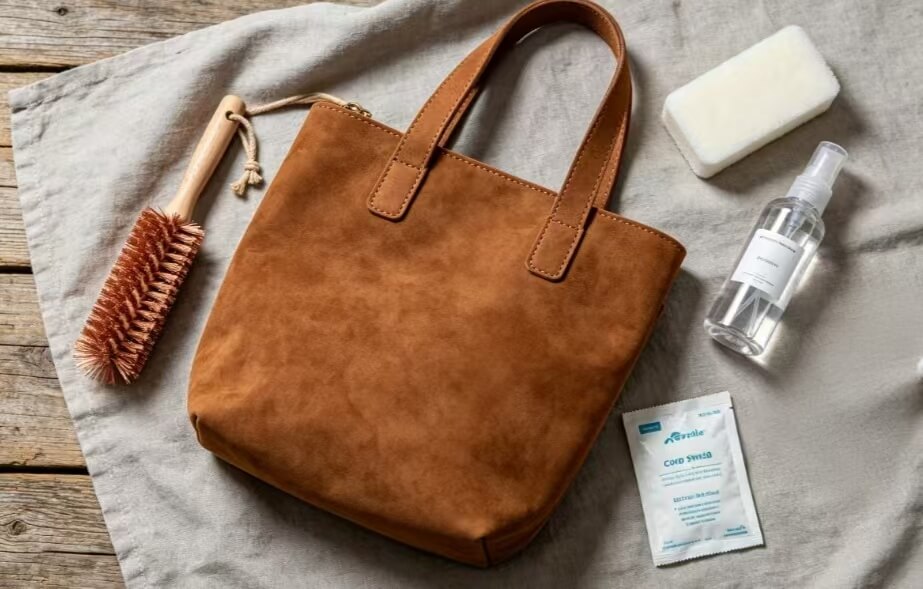
When you hear the term suede leather, does your mind immediately go to that pair of ankle boots you both love and fear, or that chic handbag you adore but hesitate to take out? Many people ask, “is suede leather really as delicate and high-maintenance as they say?” As a unique material suede leather, its velvet-like softness and effortlessly vintage vibe are undeniably captivating. Yet, behind this beauty lie some well-known challenges.
What is Suede Leather?
Simply put, “what is suede”? It’s not derived from a specific animal. Instead, it refers to the inner surface (the flesh side) of leather—usually cowhide or sheepskin—buffed to create a soft, napped texture. This leads directly to the core “difference between suede and leather”: suede comes from the inner layer, soft and skin-friendly but fragile, while regular leather comes from the outer layer, tough and durable but initially stiffer.
As for “What are the disadvantages of suede leather?”, fear of water, susceptibility to stains, difficult maintenance, and challenges in repairing worn areas are almost universal labels attached to it.
However, true fashion enthusiasts never give up on a material so easily. Today, we won’t cover the usual advice like “avoid water”or“use a dedicated brush.”Instead, we’ll discuss how to rescue your suede leather items that have suffered mishaps and even restore them to life. Welcome to the ultimate suede leather restoration gide.
Suede Leather Emergency Handling
1. Water Stains on Suede Leather
Traditional wisdom says never get suede leather wet. But if your item is caught in the rain or splashed with water, modern care techniques suggest an unexpectedly effective method. First, blot the surface with a dry cloth. If water marks remain, use a slightly damp, clean white cloth to gently pat the area, evening out the water rather than letting it form spots. Then, wrap it in a dry towel and stuff with paper or newspaper to maintain shape. Air dry in a ventilated area; avoid heat or hair dryers, which can shrink and harden the leather. Once completely dry, brush along the nap with a suede brush—the nap should lift, often erasing water marks entirely.
2. Oil Stains on Suede Leather
Oil is a nemesis for suede leather, but the key is speed and absorption. Immediately sprinkle a generous layer of baby powder or cornstarch on the stain. Let it sit for several hours or overnight to fully absorb the oil, then gently brush off. For stubborn, older stains, repeat. Another trick is diluted white vinegar (1:1 with water). Test a small area first, then gently dab the center of the stain. Vinegar can break down some oil, after which the item should be air-dried and brushed.
Scratch and Wear Repair for Suede Leather
1. Reviving the Nap on Suede Leather
After regular wear,suede leather can appear dull as the nap flattens. Beyond brushing, try the steam method. Hold the item near (but not in contact with) steam from a boiling kettle for a few seconds. Immediately brush with a suede brush along a single direction. The damp nap will lift, restoring the plush texture. Be careful—excessive steam can damage the leather.
2. Minor Scratches on Suede Leather
For small scratches or peeling, use a suede color restorer or repair cream. Choose a shade close to the original, test on an inconspicuous area first, then apply sparingly with a cotton swab. For faded spots from friction, a suede dye spray can evenly restore color—but always test first and apply in light layers.
Daily Care of Material Suede Leather
1. Protective Spray for Material Suede Leather
For new items or after deep cleaning, applying a dedicated water- and stain-repellent spray is standard. Advanced care involves layering. Spray evenly from 15–20 cm away in a ventilated area, let the first layer dry completely (1–2 hours), then apply a second. This “sandwich” technique is more effective than a single thick coat. Refresh every 2–3 months or before rainy seasons.
2. Storage Tips for Material Suede Leather
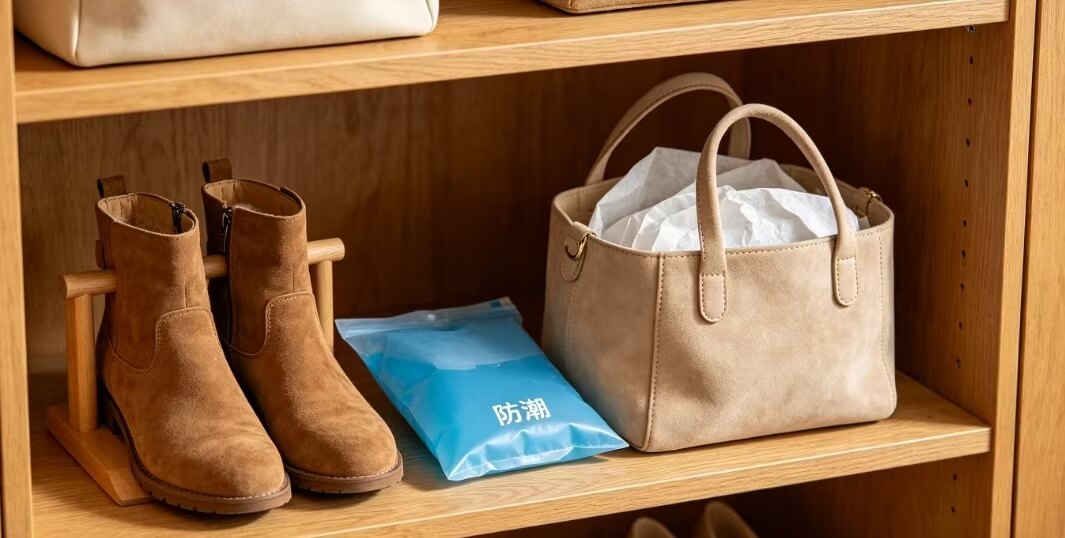
Long-term storage requires moisture control. Place silica gel or desiccants in bags or boxes to prevent mold. Stuff bags with tissue paper or old T-shirts to maintain shape and avoid irreversible creases. Use shoe trees for suede leather boots to absorb moisture and prevent deformation and deep wrinkles.
Embrace the Beauty of Suede Leather
Suede leather does demand attention, but this isn’t a burden—it’s a rewarding interaction. Understanding “what is suede” and acknowledging “the disadvantages of suede leather” is the first step to mastering this captivating material suede leather. Unlike smooth leather, which is rigid and tough, suede is like a companion that needs care and understanding. Every successful cleaning and careful maintenance deepens your connection with the item.
So don’t let those beautiful suede leather boots or soft suede bags gather dust. With these advanced restoration techniques, you can revive their charm. The highest tribute to suede leather isn’t idolizing it—it’s confidently using and enjoying the unique soft glow it develops over time.
Say Goodbye to Choice Paralysis: Does Your Next Bag Need Composite Leather?
Understanding Pleather Meaning: Your Next“No-Guilt”Bag
Related Article

Sport bag buyers should check shoe space, lining, ventilation, and load balance. Learn what to inspect before ordering or customizing yours.
Why a sport bag Can Fail When the Shoe Compartment Fills

Quality inspection helps buyers keep repeat canvas tote orders consistent. Learn four checkpoints and practical standards to reduce quality disputes.
Why Repeat Orders Fail Without quality inspection

