
Stop Shoulder Tote Pain: A Guide to Smart Bag Choices
author: li
2026-05-12
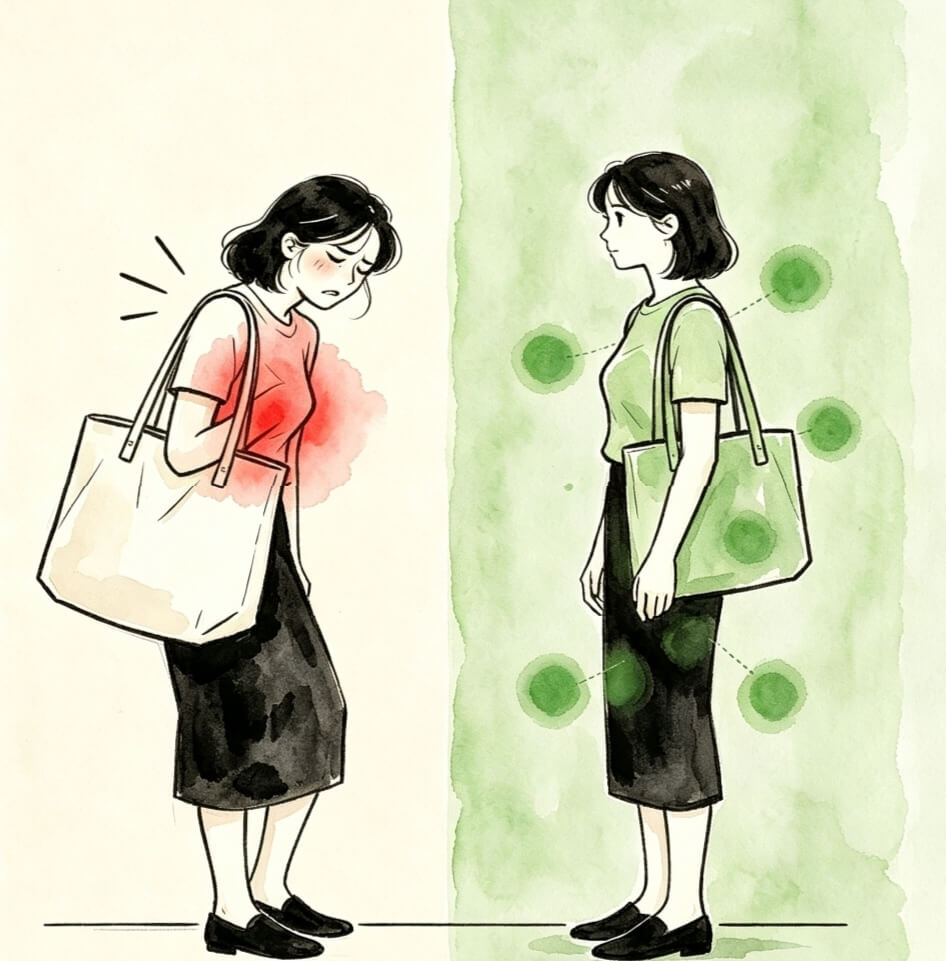
Have you ever typed shoulder tote into a search bar or agonized over the tote vs shoulder bag debate? Or maybe, due to shoulder discomfort, you found yourself googling tote bag shoulder just to understand what’s going on? Behind these searches lies a shared truth: we’re not just looking for a new bag—we want a solution that frees our shoulders and back while keeping us comfortable.
We often talk about the casual, roomy appeal of a tote bag, and we admire the sleek, neat look of a shoulder bag. But in countless discussions of tote vs shoulder bag , one crucial factor is often overlooked—you. That stylish, fully packed shoulder tote you carry all day can feel like a heavy weight dragging down one side of your body, leaving you sore and stiff. And no, it’s not your imagination. This discomfort is common enough that doctors even have a nickname for it: “tote bag shoulder” or “bag-related shoulder syndrome.”
The Hidden Risk of the Shoulder Tote
Have you ever considered that our bodies are naturally symmetrical? They aren’t meant to bear all the weight on one shoulder for hours at a time. Medical research has long confirmed that carrying a heavy bag on a single side is a common cause of shoulder and neck problems. And it’s more than just “a little soreness.”
When you hang a day’s worth of belongings on one shoulder, your body goes into “fight mode.” The trapezius and levator scapulae on that side remain tense and overworked, while the muscles on the other side must compensate to pull your tilted spine back into alignment. Over time, this can lead to muscle fatigue, chronic pain, and even nerve or vascular compression, potentially causing thoracic outlet syndrome with tingling or weakness in the arm.
Your body may unconsciously “lift” the loaded shoulder, leading to uneven posture, uneven shoulders, and worsening of any pre-existing spinal issues.
The numbers don’t lie. Surveys show over 70% of bag carriers have experienced shoulder or back pain from heavy bags. Another study found that shoulder pain accounted for 84% of all bag-related discomfort, ranking it highest among all affected areas. These statistics are clear warning lights: when deciding between a tote or shoulder bag, health should always come first.


Understanding the Body Impact of Shoulder Tote
The key to choosing the right bag may lie in shifting the question from “what can it hold?” to “can my body handle it?” To make a more comfortable choice, we need to understand how tote bag shoulder designs interact with our bodies.
Let’s start with capacity and weight distribution. Classic tote bags, with their open and soft design, are undeniably spacious—but they also tempt us to overstuff. When full, the bag’s weight becomes unstable, falling either on your wrist or on the same shoulder. Carry it by hand, and your arms and waist bear the load; sling it over one shoulder, and all the pressure concentrates at a single point.
Most shoulder bags are more structured, limiting what you can pack—but this also helps control the weight you carry. The problem is often the strap itself—it’s usually thin. When you add heavier items, that narrow strap digs into your shoulder, and it’s not comfortable.
The shoulder strap is essentially the only buffer between you and the bag’s weight. In recent years, high-quality bag designs have focused on ergonomic straps. When shopping, look out for:
-
Width: Avoid straps narrower than 3 cm. If you often carry items, a strap 4–5 cm wide (or wider) can distribute pressure more evenly across your shoulder.
-
Padding and Shape: Some straps include memory foam or are curved in an S-shape to fit your shoulder. These design details are not just decorative—they significantly improve comfort and reduce pressure.
-
Adjustability: A strap with adjustable length is highly practical. You can position the bag above your hip depending on the thickness of your outfit. Too low, and the bag swings, hitting your hips and forcing you to stabilize it with extra effort.
Why the Shoulder Tote Is Gaining Popularity
Perhaps that’s why the all-in-one shoulder tote has become increasingly popular. It combines the capacity of a tote with the convenience of a shoulder bag. But not all bags labeled shoulder tote are truly shoulder-friendly. A well-designed bag considers ergonomics in every detail:
-
Structured Base: Even soft materials need a sturdy bottom. Without it, heavy items pull the bag downward, digging the strap into your shoulder.
-
Wide, Adjustable Straps: Essential for comfort, as mentioned earlier.
-
Interior Organization: Laptop compartments, water bottle pockets, and zippered inner pockets aren’t just for neatness—they stabilize heavy items against your back, preventing them from swinging and straining your body.
-
Size Matters: Ideally, the bag should not exceed the distance from your armpit to your hip. Oversized bags encourage overpacking and interfere with walking posture.
Choosing Between Tote vs Shoulder Bag
After all the principles, it comes back to you. Your body is the measure of which bag fits best.
For petite individuals, oversized totes can overwhelm your frame. Look for bags under 35 cm at the base, with adjustable straps that allow the bottom to sit above the hip. For shoulder bags, shorter straps or underarm styles work better to prevent the bag from swinging at your legs.
Taller individuals can often carry larger totes more proportionally, but strap width remains crucial. Short straps that press into the armpit are uncomfortable. A shoulder tote with a longer, adjustable strap offers versatility, letting you sling it across your body to distribute weight evenly.
People with broader shoulders may carry more weight comfortably, but a wide strap’s comfort is still invaluable. Those with narrower shoulders should avoid thin straps, opt for padded, pressure-distributing designs, and remember to switch sides frequently.
When weighing tote vs shoulder bag , style and trends should never override comfort. Next time you shop, lift the bag, test the strap length, and ask: Is the strap wide enough? Can I adjust it comfortably? Does the structure support my usual load? Prioritizing comfort over looks ensures you enjoy the convenience of carrying a bag—not silently endure its weight.
Wrist Elegance: Unlock the Potential of the Wristlet Purse
How to Choose Truly Good Bags for Your Everyday Life
Related Article

Sport bag buyers should check shoe space, lining, ventilation, and load balance. Learn what to inspect before ordering or customizing yours.
Why a sport bag Can Fail When the Shoe Compartment Fills

Quality inspection helps buyers keep repeat canvas tote orders consistent. Learn four checkpoints and practical standards to reduce quality disputes.
Why Repeat Orders Fail Without quality inspection

