
Shoulder Bag vs Crossbody: How to Wear Bags Without Shoulder Pain?
Let’s be honest: most people don’t struggle with carrying a bag — they struggle with wearing it in a way that doesn’t feel awkward, sloppy, or painfully heavy on the shoulders. Especially in winter, when you’re wrapped in a coat, rushing through the Tube, or walking all day, a crossbody can quickly go from convenient accessory to low-grade torture.
If you’ve been searching for how to wear a crossbody bag, let’s clear up the basics first without overcomplicating things.
shoulder bag vs crossbody: What Is the Difference?
Simply put, a crossbody bag is a bag with a long adjustable strap designed to be worn diagonally across the torso. The strap sits on one shoulder, while the bag rests against the opposite hip or waist area, close to the body rather than dangling beside your arm.
People often confuse this with bag over shoulder, but they are not exactly the same thing. Usually, bag over shoulder just means hanging a bag from one shoulder, whether it crosses the body or not. Technically speaking, bag over shoulder is closer to a shoulder bag setup: shorter straps, the bag hanging at your side, and most of the weight sitting on one shoulder.
That’s where shoulder bag vs crossbody becomes important.
shoulder bag vs crossbody Strap Length
A shoulder bag usually has a shorter strap, with a drop around 8–12 inches (20–30 cm). The bag sits between the underarm and waist, making it easy to grab your things quickly.
A crossbody bag has a longer adjustable strap, often with a drop around 20–25 inches (51–64 cm) or more, allowing the bag to sit securely near the opposite hip.
shoulder bag vs crossbody Weight Balance

In the shoulder bag vs crossbody comparison, weight placement matters more than style.
A shoulder bag keeps the weight on one side of the body, which can make you unconsciously raise one shoulder or lean slightly after long periods.
A crossbody distributes the load diagonally across the torso. It stays closer to the body, swings less while walking, and is generally more secure.
shoulder bag vs crossbody Daily Function
A shoulder bag often works more as a fashion accessory. It can be roomy or compact, but the design logic centers around single-shoulder carry.
A crossbody usually functions more like an everyday utility piece. Most are designed to stay compact, stable, and close to the body.
These days, many bags come with adjustable or removable straps, so the same bag may appear in both categories. The easiest way to judge isn’t the label — it’s how you’re actually wearing it. Look at the strap length, where the bag sits, and whether you have to clamp it with your arm to stop it from slipping.
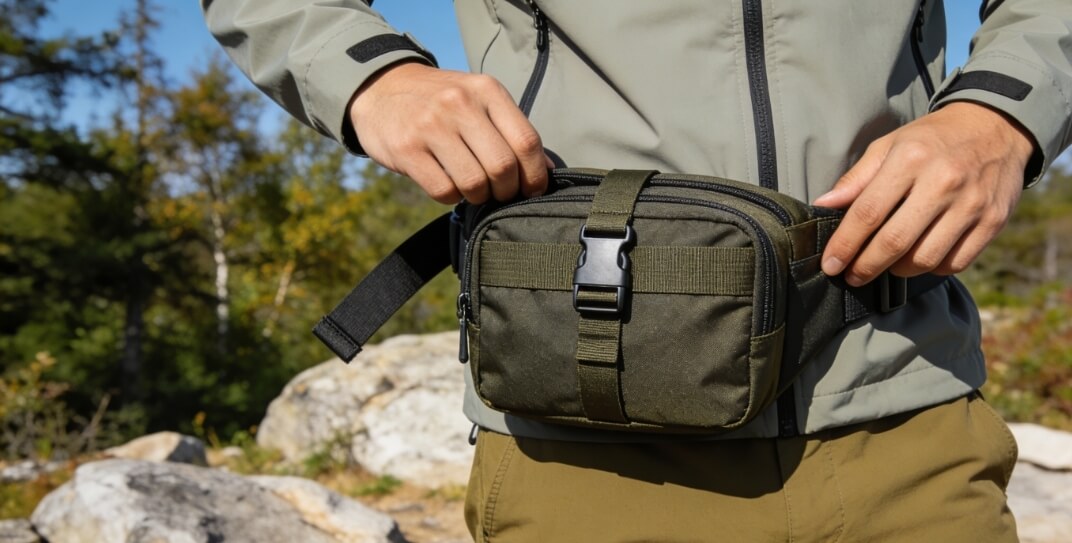
shoulder bag vs crossbody Proper Position
People often ask: What is the proper way to wear a crossbody bag?
The simplest answer is this: the bag should sit slightly above the hip bone or around the waistline, close to the body without being jammed into your underarm. The strap should lie flat, not twist, and never pull against your neck.
This isn’t fashion dogma — it serves two practical purposes:
- reducing shoulder strain
- keeping your proportions visually balanced
A bag sitting near the hip line usually looks cleaner and doesn’t visually shorten your legs.
Try this simple three-step adjustment method:
- Let the bottom of the bag touch the top of your hip bone.
- Raise it slightly — around 0–3 cm — so it doesn’t bang directly against the bone while walking.
- Walk a few steps and watch the movement. If the bag swings like a pendulum, the strap is too long. If it jams into your underarm or pulls your collar sideways, it’s too short.
bag over shoulder and Shoulder Pain
A lot of people assume crossbody bags automatically cause shoulder pain. Usually, the problem isn’t the bag itself — it’s the strap mechanics.
A crossbody is supposed to spread weight across a larger contact area. But if one detail is off, discomfort shows up quickly.
Thin Strap + Heavy Bag
The narrower the strap, the more pressure it creates. Thin leather cords or chain straps may look elegant, but they’re brutal on the shoulders once the bag gets heavy.
Wider straps — especially padded or woven ones — are far more comfortable for daily wear.
Bag Hanging Too Far Away
When the bag sticks out from the body or hangs too low, your upper trapezius muscles automatically tighten to compensate for imbalance. That’s why your neck can feel tense even when the bag itself isn’t particularly heavy.
The solution usually isn’t buying a new bag. Just shorten the strap slightly, move heavier items closer to your body, or rotate the bag a bit toward the front.
Using bag over shoulder Instead of Crossbody
This is common. People dislike the diagonal strap across the chest, so they shorten the strap and wear the bag as bag over shoulder instead.
For short periods, it’s fine. But once you stand for half an hour or carry heavier items like a water bottle, long wallet, or power bank, the bag shifts into full one-sided load mode. Your body starts compensating by shrugging or leaning.
That’s the real meaning behind shoulder bag vs crossbody. It’s not about which looks more expensive — it’s about how long you’ll walk, how much you’re carrying, and whether your body can tolerate uneven weight.
If you’re walking all day or carrying more stuff, crossbody usually wins. If you’re just heading from a café to a car with a takeaway coffee in hand, bag over shoulder works perfectly well.
shoulder bag vs crossbody With Winter Coats
Winter is where crossbody styling becomes tricky.
Puffer Jackets
With puffers, wearing the strap outside the coat usually looks and feels better. If the bag sits under the jacket, the bulk pushes it outward, making it swing awkwardly and distort the coat shape.
A more practical setup is wearing the strap outside and shifting the bag slightly forward, almost like a sling bag. This keeps it stable without pulling your collar sideways.
Wool Coats
Avoid letting the strap crush the lapels flat.
If one side of the coat keeps collapsing downward while you walk, the bag is probably too heavy or hanging too low. Shortening the strap slightly or moving the bag forward often fixes the issue immediately.
Front-carry positioning also works well here — especially in queues, airports, or crowded trains.
Trench Coats and Blazers
Structured tailoring can make straps catch awkwardly around the sleeves and shoulders.
In these outfits, keeping the bag close to the body matters even more. The bag shouldn’t push against belts, pocket flaps, or lapels. Sometimes wearing the bag slightly higher than the standard hip position actually looks cleaner.
shoulder bag vs crossbody Strap Length Guide
There’s no magical “perfect” measurement.
Most crossbody straps range between 114–140 cm in total length, with a drop around 51–64 cm. Petite frames often work better with slightly shorter drops.
Instead of measuring obsessively, check these visual cues:
- If the bag hangs below mid-thigh, it’s too long.
- If the bag width exceeds roughly two-thirds of your shoulder width, it may overwhelm your frame.
- If the strap keeps sliding off your shoulder, the bag is probably too heavy or hanging too low.
- If lifting your arm pushes the bag directly into your armpit, the strap is too short.
Small adjustments usually make a huge difference.
bag over shoulder and Bag Weight
Heavy bags absolutely contribute to neck and shoulder discomfort.
A common guideline is keeping your bag under roughly 10% of your body weight. For long-term one-shoulder carrying, many professionals recommend staying even lighter.
Most empty crossbody bags already weigh somewhere between 250–900 g depending on size and material. The real issue is what people stuff inside:
- metal water bottles
- oversized wallets
- power banks
- full makeup kits
- umbrellas
Every extra item adds up fast.
A quick bag audit helps:
- Switch to a smaller water bottle.
- Replace bulky wallets with card holders.
- Skip carrying a folding umbrella every single day if you already have a heavy winter coat.
shoulder bag vs crossbody by Occasion
Despite all the praise for crossbody bags, shoulder bag vs crossbody always depends on context.
Choose Shoulder Bags For:
- dinners
- weddings
- formal photos
- quick-access work environments
A shorter shoulder bag usually creates cleaner lines and looks more polished.
Choose Crossbody Bags For:
- travel
- markets
- commuting
- long walking days
- winter city life
Crossbody bags keep your hands free, distribute weight better, and stay more secure.
bag over shoulder Styling Mistakes
Interestingly, many “cheap-looking” bag problems have nothing to do with price.
Twisted Straps
If the strap twists constantly or hardware clinks loudly, flatten the strap and secure loose ends properly.
Overstuffed Bags
A bag stretched open with items spilling out instantly looks messy — especially with a crossbody swinging while you walk.
Excessively Long Straps
A bag slapping against your thigh doesn’t just look awkward; it changes the way you walk.
Slipping Shoulder Pads
If only the edge of the strap presses into your collarbone, the strap drop is probably wrong. Shortening it slightly often improves the look immediately.
shoulder bag vs crossbody Final Takeaway
When people search how to wear a crossbody bag, what they actually need isn’t a rigid fashion rule. They need a system that works across different outfits, weather conditions, and walking distances.
So here’s the simplest summary:
- A crossbody bag uses a long strap to sit diagonally across the body and rest near the opposite hip or waist.
- shoulder bag vs crossbody is really about balanced weight distribution versus one-shoulder styling.
- bag over shoulder works well for short-term wear, but not ideal for heavy loads all day.
- The proper setup: keep the bag close to the body, keep the strap flat, position the bag slightly above the hip, and avoid overloading it.
Once you get those details right, a crossbody finally does what it’s supposed to do: make moving through the day easier, not heavier or more exhausting.
Waterproof Pack Liners: The Life-Saving Detail Ignored by 90% of Hikers!
Fire Bag Guide: Do Fireproof Bags Work?
Related Article


