
Recycled Fabric: Sustainable Materials for Eco-Friendly Fashion
author: chunli
2025-12-31
What is Recycled Fabric? Understanding the Basics
Recycled fabric is not just a buzzword—it’s a solution transforming the fashion industry. From plastic bottles to high-end fashion, recycled fabric materials are becoming essential in sustainable fashion. But there’s more to it than just being eco-friendly. It's about real, scalable change.
What is Recycled Fabric?
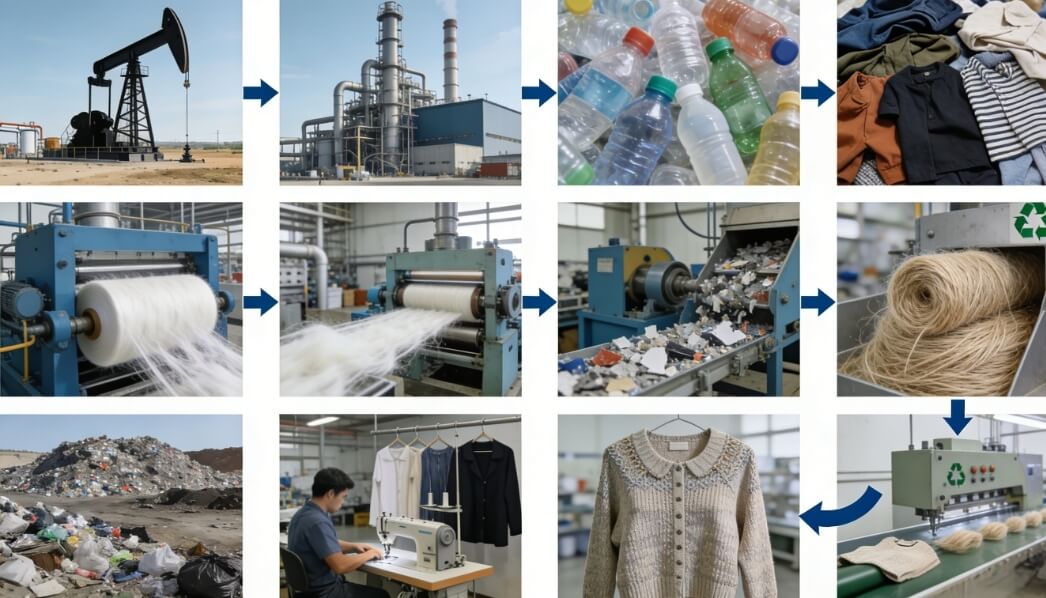
Simply put, recycled fabric refers to textiles made from waste products, such as old clothes, plastic bottles, or fishing nets, that have been processed into new fibers. Common examples of recycled fabric materials include recycled cotton, recycled polyester, and recycled nylon.
What is an Example of Recycled Fiber?
One common example of recycled fabric is recycled polyester. This material comes from discarded plastic bottles, which are collected, cleaned, and broken down into fibers. These fibers are then woven into soft, durable fabric, reducing reliance on petroleum resources.
Is Recycled Fabric Eco-Friendly?
The short answer is yes, recycled fabric is eco-friendly. However, its "eco-friendliness" is now being measured by an increasingly important factor: transparency. How do we know the materials used are truly sustainable? This is where new technologies come in.
Cutting-Edge Insight: Blockchain and Transparency in Recycled Fabrics
Traditional eco-friendly claims are facing a trust crisis. How can you be sure that the recycled fabric materials used in your clothing are truly made from recycled plastic or fishing nets and not just a marketing gimmick ?
Blockchain Technology: Verifying Recycled Fabric's Journey
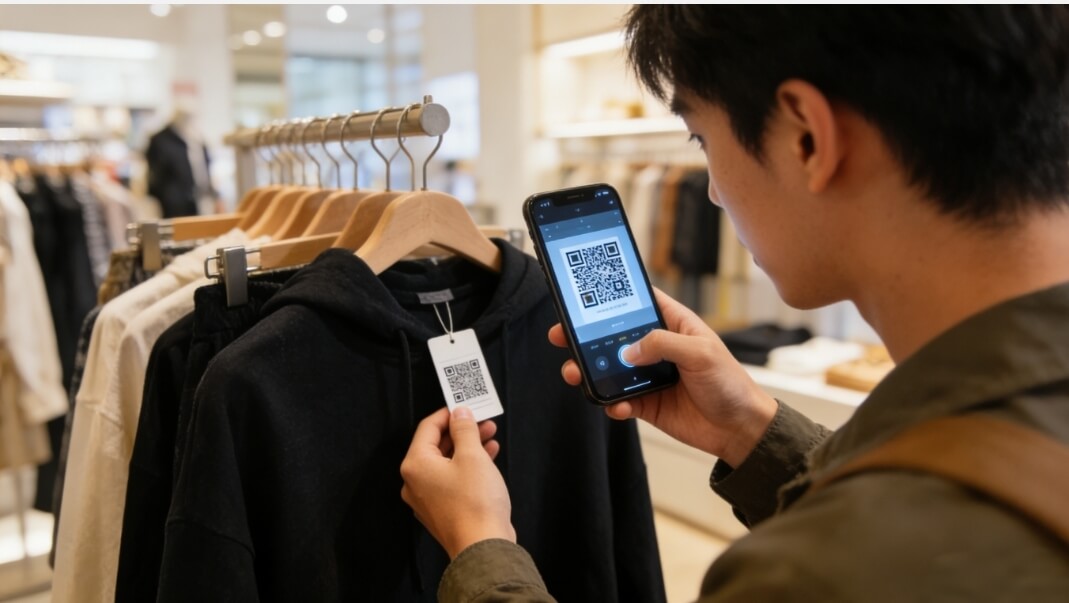
To solve this, many brands are turning to blockchain technology to track the entire lifecycle of recycled fabric. By scanning a QR code, consumers can trace the path of their recycled fabric materials from collection to processing, to the finished product. This creates a digital “passport”for each item, ensuring transparency and trust.
The Economic Viability of Recycled Fabric Materials
For sustainable fashion to succeed on a large scale, recycled fabric materials need to be affordable. The good news? With advancing technology and economies of scale, the production costs of recycled fabric materials are rapidly approaching, or even undercutting, those of virgin materials.
Competitive Pricing of Recycled Fabrics
For example, the cost of recycled fabric made from plastic bottles can sometimes be cheaper than virgin polyester, especially when oil prices fluctuate. This makes using clothes made from recycled materials an attractive, cost-effective choice for brands, bringing sustainable fashion into the mainstream.
The Social Value of Recycled Fabric Materials
Beyond environmental and economic benefits, recycled fabric materials contribute significantly to the social value through the circular economy. In many developing countries, the recycling and processing industries provide jobs and economic opportunities.
Supporting a Fairer Economy
By choosing clothes made from recycled materials , consumers are not only helping reduce waste but also supporting a more inclusive and equitable global economy.
How Consumers Can Make Smarter Choices
With so many sustainable options on the market, how can consumers make informed decisions?
Look for Certifications: A Guarantee of Transparency
Seek products with third-party certifications like the Global Recycled Standard (GRS), which shows the percentage of recycled content. This guarantees the recysled fabric is truly sustainable.
Ask Questions and Demand Transparency
Ask brands about the origins of their recycled fabric materials. Are they transparent about their supply chain? Can they prove the material’s sustainability?
Understanding What Fabrics Can Be Recycled
It’s important to know that recycled fabric materials aren’t limited to just polyester or cotton. Recycled wool, recycled nylon, and even other innovative fabrics are great options to consider. Understanding which fabrics can be recycled is key to making sustainable choices.
Conclusion: The Future of Recycled Fabric
In conclusion, recycled fabaric is much more than just a way to repurpose waste. With the help of transparency technologies like blockchain, recycled fabric materials are now a trustworthy, economically viable, and socially valuable part of the fashion industry. By choosing clothes made from recycled materials, we’re not just helping the planet—we’re supporting an innovative and sustainable future for fashion.
By staying informed and choosing transparent, sustainable brands, consumers have the power to drive the fashion industry toward a true circular economy.
Why Choosing Reusable Bags Can Revolutionize Your Shopping Habits
Effective Odor Resistant Bags for Storing Smell Proof Weed
Related Article

Sport bag buyers should check shoe space, lining, ventilation, and load balance. Learn what to inspect before ordering or customizing yours.
Why a sport bag Can Fail When the Shoe Compartment Fills

Quality inspection helps buyers keep repeat canvas tote orders consistent. Learn four checkpoints and practical standards to reduce quality disputes.
Why Repeat Orders Fail Without quality inspection

