
Understanding Purse Types: Handbags vs Shoulder Bag and Your Health
author: li
2026-05-11
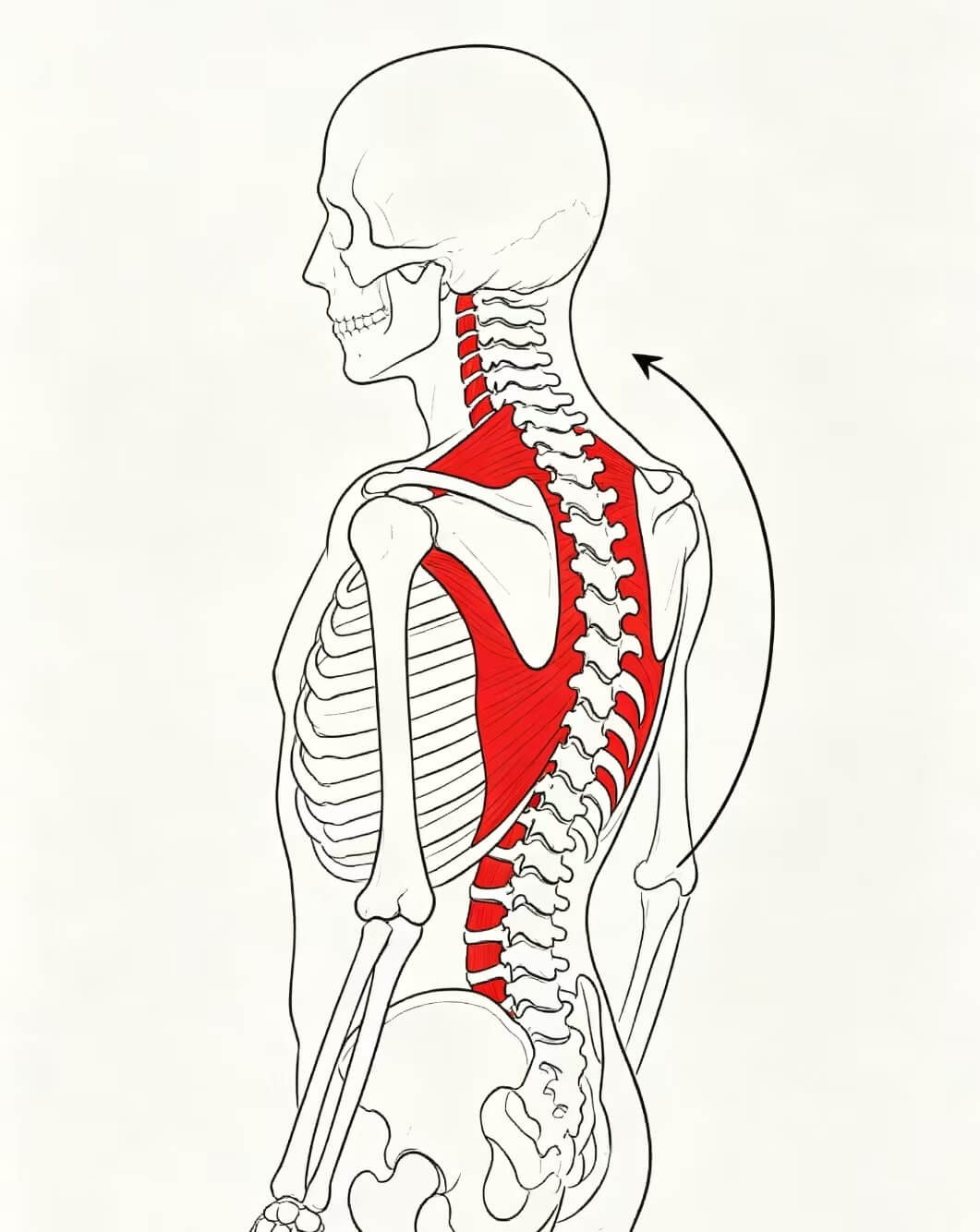
Whenever we wander in front of the dazzling shelves, pondering “What is the difference between a shoulder bag and a handbag?”, we usually compare style, capacity, and occasion. Choosing among purse types often revolves around fashion and functionality. Yet, a deeper—and often overlooked—factor quietly influences our health. Today, we go beyond just the visual comparison of handbags vs shoulder bag and dive into how these common type of purses shape—or harm—our posture and muscles.
Purse Types and Hidden Body Strain
We often pick a handbag or a shoulder bag based on mood and outfit, but rarely consider their actual weight. Wearing a single-shoulder bag for long periods causes uneven load distribution, leading to high and low shoulders, spinal curvature, pelvic rotation, and even forward head posture, also known as “tech neck.” This isn’t exaggeration. When you habitually sling a bag on one side, your body silently compensates for the imbalance—a costly process for your muscles and skeleton.
Authoritative guidelines give clear weight limits: The International Chiropractic Association recommends that a shoulder bag should weigh no more than 5% of your body weight. For a woman weighing 60 kg, this means the bag shouldn’t exceed 3 kg. Yet a fully packed handbag with phone, wallet, keys, cosmetics, and even a water bottle can easily surpass this limit. Physical therapists also warn that heavy bags can misalign the spine, causing forward tilt and rounded shoulders.
Daily Impact of Handbags vs Shoulder Bag
So, in the daily showdown of handbag vs shoulder bag, which challenges your body more?
Handbag: Elegant “One-Sided Load”
Holding a handbag for extended periods concentrates force on your wrist, forearm, and the muscles on one side of your neck and shoulder. Experts warn that keeping the wrist in the same position or overexerting it can cause carpal tunnel syndrome. A subtler risk is that your spine subtly leans to balance the one-sided weight, which over time may lead to muscle strain and spinal misalignment.


Shoulder Bag: Stylish “Localized Pressure”
A shoulder bag may free your hands, but it shifts all the pressure to one shoulder. To keep the strap from slipping, the shoulder instinctively rises. Research from Northeastern University shows that carrying a 5 kg bag on your left shoulder forces the muscles on the right side of your spine to generate 15–20 kg of counterforce. This imbalance strains your spine and causes bending. Narrow straps worsen the situation by concentrating pressure in a tiny area, intensifying muscle stress and discomfort.

Health Tips for Choosing Purse Types
Understanding these risks doesn’t mean you must give up style. With smart choices, you can protect your body while keeping fashionable.
-
Control weight first: Regularly declutter your bag and carry only essentials. Follow the golden rule: shoulder bag weight ≤ 5% of body weight. If you need to carry more items, splitting them into two smaller bags is healthier than one heavy bag.
-
Choose design wisely: When carrying heavier items, wide straps distribute weight better than narrow ones. For commuters carrying laptops or documents, a structured tote with a padded compartment maintains balance and reduces spinal strain more effectively than a soft, shifting shoulder bag.
-
Switch sides often: For any bag type, avoid long-term single-side use. Experts recommend consciously changing the bag from one shoulder or hand to the other every 10–20 minutes to prevent chronic muscle and spine strain.
-
Listen to your body: Shoulder or back discomfort signals that it’s time to use a backpack, which distributes weight evenly. For long commutes or travel, a well-designed backpack with a supportive carrying system is the safest option.
Conclusion: Smart Choices in Purse Types and Handbags vs Shoulder Bag
Choosing a bag isn’t just about style—it’s about how you treat your body. Next time you ask “What is the difference between a shoulder bag and a handbag?”, consider not only appearance and capacity but also the health load. Among the many purse types, understanding how to select the right type of purses for daily weight and activity is true fashion wisdom. After all, the most beautiful accessory is a tall, comfortable, pain-free body.
How to Choose Truly Good Bags for Your Everyday Life
Overseas Design Team Explores China Supplier for Premium Yoga Tote Bag Supply Chain
Related Article

Bulk order risk starts before production. See how quality control in manufacturing keeps custom canvas bags consistent and protects your investment.
Why Your bulk order Can Fail Despite Perfect Samples

Sport bag buyers should check shoe space, lining, ventilation, and load balance. Learn what to inspect before ordering or customizing yours.
Why a sport bag Can Fail When the Shoe Compartment Fills

