
Cost Efficiency: Re-Evaluating Your Procurement Logic for a Bag for Running
author: li
2026-05-02
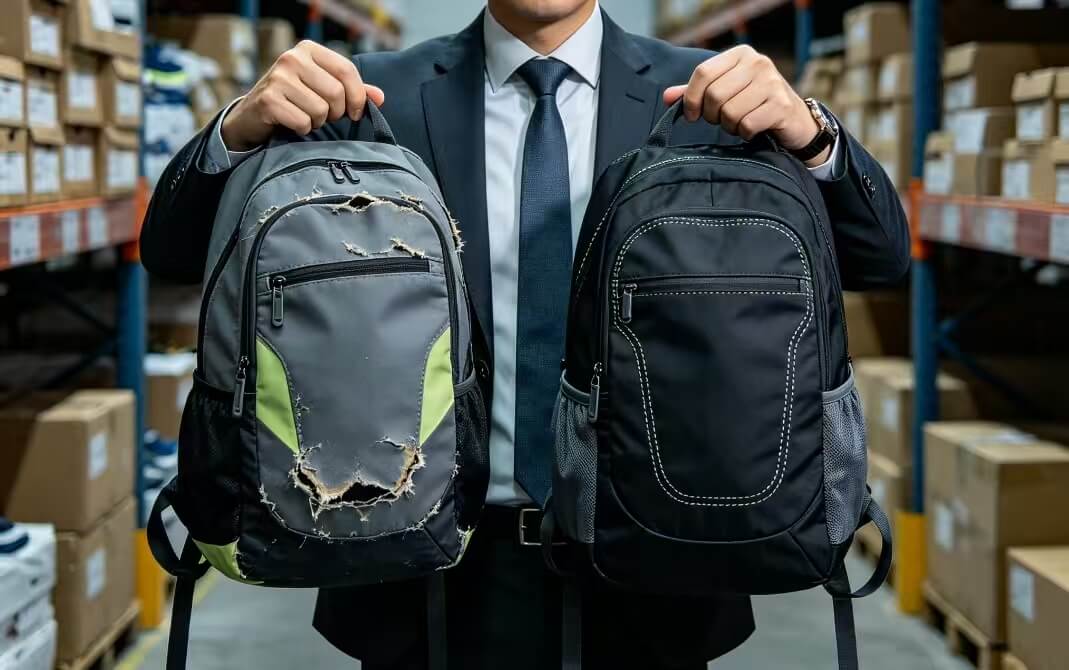
In the world of corporate procurement and retail buying, the humble bag for running is often treated as a low-value commodity. But in the field, whether it’s for employee wellness or marathon sponsorships, a poorly designed pack isn't just useless—it’s a liability. Behind the scenes, managers ask: "should i carry a bag while running ?" The answer is yes, provided you choose the right gear. Today, we’re moving beyond superficial specs. We’ll dive into macro ROI and micro-physics to show B2B buyers how running with a backpack can be an asset, not a burden.
Corporate Strategy: Optimizing the Run in Pack Experience
For annual budget meeting always circles back to: "What kind of bag should I use while running?" Most buyers default to Unit Price. This is the "false economy" trap. Savvy buyers focus on Total Cost of Ownership (TCO). A cheap bag for running with weak stitching fails after a few washes under load, forcing a rebid. From a supply chain perspective, quality means physical resilience.
Insist on high-density Y-stitching at shoulder connections. This distributes stress across three times the surface area, delaying material fatigue significantly. During running with a backpack, the base inevitably hits rough pavement. Adding a 1680D Oxford or recycled rubber base patch adds pennies to the cost but extends the product's life by several quarters.
👉 The Business Insight: Invest once in a custom bag for running with structural reinforcements to slash long-term administrative costs.


Retail Tactics: Selling the Run in Pack Advantage
For retailers, "What type of bag is best for running?" directly impacts inventory turnover. In today's market, looks alone won't cut it. Smart retailers shift from selling a single item to selling a solution. Physical compatibility is the key to retention.
Many runners avoid packs because rough edges snag expensive tech-wear during a run in pack . Source packs with ultrasonic welded seams or high-density Lycra binding to eliminate friction. No one wants a pack slapping against their spine. A superior run in pack utilizes elastic mesh and adjustable sternum straps to lock the load close to the body.
👉 The Business Insight: Select models with "blind-access" strap pockets. Demonstrating how a runner can grab a gel without looking creates an instant "aha" moment at the point of sale.
Event Planning: Physics of the Run in Pack
Marathon organizers face a dilemma: packs that are too big throw off a runner's center of gravity. This leads to "grab-and-toss" behavior where participants ditch the bag for running at the first trash can. The fix lies in basic physics.
Position water bottles on the sides at waist level, not high on the back. This lowers the center of gravity, reducing vertical oscillation and saving runners up to 15% in energy expenditure. The airflow generated during running with a backpack will create a natural cooling convection over 3D spacer mesh.
👉 The Business Insight: Include "gear comfort scores" in post-race surveys. Demand designs optimized for these physical principles to boost your event's reputation.
Conclusion
Whether you are running with a backpack for a corporate challenge or stocking shelves, commercial value lies in fundamental structure. Before your next order, put down the marketing brochures. Pick up a tape measure and check the stitching density, the center of gravity, and the edge binding. After all, in the real world of business, the details that withstand sweat and friction are the ones that deliver the best returns.
Dance Bag Essentials and Backpack for Dancers: Maximizing B2B Profit
Is Your Sling Bag Killing Your Vibe? How to Wear It Right
Related Article

Sport bag buyers should check shoe space, lining, ventilation, and load balance. Learn what to inspect before ordering or customizing yours.
Why a sport bag Can Fail When the Shoe Compartment Fills

Quality inspection helps buyers keep repeat canvas tote orders consistent. Learn four checkpoints and practical standards to reduce quality disputes.
Why Repeat Orders Fail Without quality inspection

