
The Ultimate Guide to Polyester Fabric: From Controversial Material to Sustainable Innovation
author: chunli
2025-12-03
In today’s fashion and textile world, Polyester undoubtedly holds a dominant position. When you flip the tag on your clothes, you’ll often see the label “100 polyester fabric” appearing everywhere. But what exactly is polyester material? Why is it so popular, and yet, so controversial? This article will dive deep into polyester in modern life, explore how polyester is produced, and discuss how to make smart choices when it comes to this ubiquitous cloth polyester.
The Face of Polyester: Beyond the Stereotypes
When most people hear "cloth polyester," they often think of “cheap” or “non-breathable.” This stereotype has historical roots, but modern polyester fabric is far from what it used to be. To evaluate it objectively, we need to first understand what polyester really is.
What is Polyester Fabric?
Simply put, polyester fabric is a synthetic textile made from polyethylene terephthalate (PET), the same material commonly found in beverage bottles. The advantage of this polyester material lies in its impressive physical properties: high strength, excellent wrinkle resistance, and quick-drying abilities. A garment made from 100 polyester fabric is incredibly durable and easy to care for.
What is 100 Polyester Fabric?
100 polyester fabric means that the fabric is entirely composed of polyester fibers with no mixing of other natural fibers (like cotton or wool) or synthetic fibers (like nylon or spandex). This purity gives the polyester material a set of distinct features:
-
Pros: The fabric is highly durable, wrinkle-resistant, quick-drying, and stable in shape. It doesn’t shrink easily.
-
Cons: It also highlights polyester’s downsides, mainly its lack of breathability, which can lead to a feeling of discomfort or overheating.
Choosing 100 polyester fabric means opting for consistent, controllable performance, which is crucial for applications that require specific functions, such as athletic wear, outdoor gear, or fashion that demands uniform dyeing.
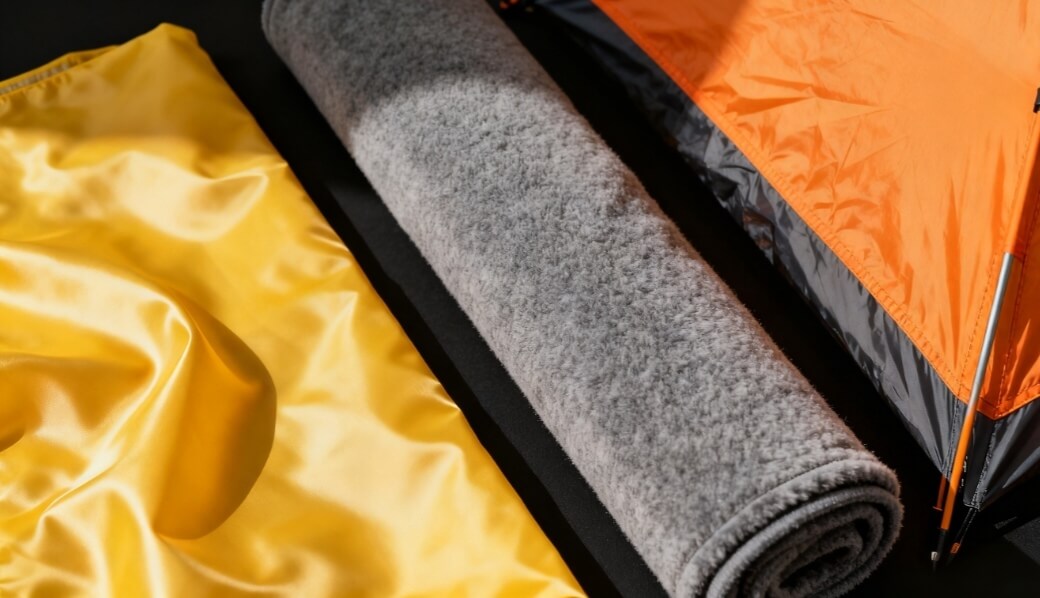
The success of polyester in the clothing industry is largely due to its versatility and adaptability. It can be made into smooth, soft fabrics that mimic silk, or turned into warm fleece, with uses far beyond clothing.
Core Features and Comparison: Why Choose Polyester?
The following table clearly shows the core differences between polyester fabric and other common materials, helping you understand its logic of application:
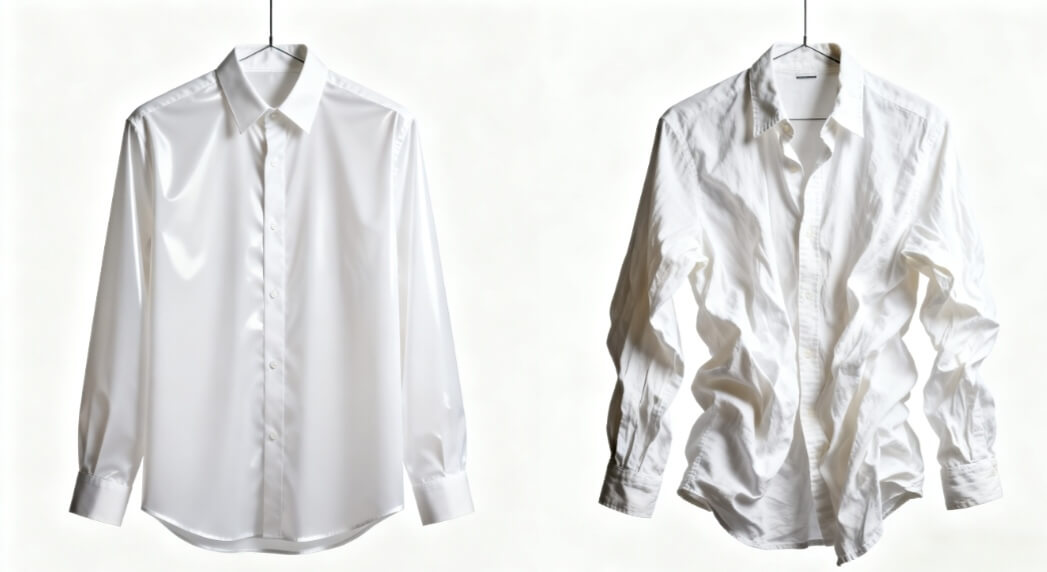
| Feature | Polyester Fabric | Cotton | Nylon |
|---|---|---|---|
| Durability | Very high, tear and wear-resistant | Medium, wears after multiple washes | High, elastic but prone to pilling |
| Wrinkle Resistance | Excellent, almost wrinkle-free | Poor, wrinkles easily | Fair |
| Moisture-Wicking | Poor (but can be improved with special fibers) | Excellent, breathable | Good, quick-drying |
| Care and Maintenance | Easy, quick-drying, retains shape | Shrinks, needs careful care | Easy but less heat-resistant |
| Cost | Low | Medium | Medium to high |
| Environmental Footprint | High with traditional methods, but significantly improved with recycled polyester | Sustainable with organic cotton, but water-intensive | High production energy |
Beyond Recycling: A Deep Dive into Polyester’s Sustainability Solutions
Simply choosing “recycled polyester”isn’t enough. Understanding the systems behind it helps you become a more discerning consumer.
1. Recycling Technology Breakdown: Mechanical vs. Chemical Recycling
-
Mechanical Recycling: The current mainstream method. Plastic bottles or waste fabrics are broken down, cleaned, melted, and then spun into new fibers. Pros include a mature process and low cost. Cons: Each recycling cycle leads to a breakdown of polymer chains, which degrades the fiber quality (downcycling), and requires high raw material cleanliness.
-
Chemical Recycling: A cutting-edge method. Polyester waste is depolymerized into its original monomers or oligomers, then repolymerized into long-chain molecules. Pros: Can achieve a “bottle-to-bottle” or “fabric-to-fabric” closed-loop system with the same quality as virgin polyester, and can handle mixed or contaminated waste. Cons: The process is complex and expensive, and it's still in the early stages of large-scale commercialization.
2. “Bottle-to-Yarn”Challenges and Opportunities
Why is most rPET used for bottles rather than new garments? The key issue is food-grade safety standards. rPET used for beverage bottles must undergo strict purification and safety certification, while standards for textiles are relatively looser. As a result, high-quality “bottle-grade” RPET is typically prioritized for the packaging industry, which offers higher profits.
3. Recognizing Certifications: What’s the Difference Between GRS and OEKO-TEX?
-
GRS (Global Recycle Standard): Focuses on tracking recycled content. It ensures that the flow of recycled materials is traceable from raw materials to final products, and that the production process meets environmental and social responsibility standards. If a product has a GRS certification, you can trust that the recycled content it claims is real.
-
OEKO-TEX Standard 100: Focuses on testing harmful substances. It ensures that the final product is free from harmful chemicals like heavy metals or carcinogenic dyes. It’s a “safety assurance” certification. A product can have both GRS (guaranteeing recycled content) and OEKO-TEX (ensuring safety and non-toxicity).
The Excellence of Polyester Bags: Why It’s a Top Choice for Everyday and Outdoor Use
After understanding the basic properties of polyester fabric and its sustainability journey, it’s clear that applying it to bags perfectly highlights its superior performance. Whether it's a lightweight shopping bag, a durable backpack, or a fashionable handbag, polyester bags offer unmatched overall advantages.
Advantages of Polyester Bags
Polyester bags stand out because of their outstanding practicality. Thanks to polyester fiber's high strength, they are tear-resistant and wear-resistant, able to carry heavy loads and last for years. At the same time, they are light, significantly reducing the burden of travel. The low absorbency of polyester makes these bags naturally water-resistant, and stains are easily wiped off.
Moreover, polyester fabric holds color well, ensuring that prints and designs stay vibrant for a long time, making them ideal for brand customization and fashion design. Even more importantly, bags made from recycled polyester (rPET) turn plastic bottles into valuable products, offering both high performance and an environmentally friendly option.
The Ultimate Consumer Action Guide: How to Make Smart Choices and Care for Your Polyester
1. How to Read Labels?
-
“Recycled Polyester 100%”: This indicates the fabric is made entirely from recycled polyester.
-
“Recycled Content 50%”: This indicates half of the product is made from recycled sources (which may include polyester or other materials).
-
Look for the GRS certification: This is one of the most reliable ways to verify the recycled content.
2. Scenario-Based Buying Tips
-
Sportswear: The quick-drying and shape-retaining properties of polyester fabric are ideal. Look for products treated with moisture-wicking technology (like Cooldry) and prefer recycled polyester.
-
Everyday Commuting: Blended fabrics strike a good balance. For example, a “cotton-polyester blend” (like 65% cotton, 35% polyester) combines cotton’s breathability with polyester’s wrinkle resistance and durability.
-
Underwear/Homewear: Go for natural fibers like cotton or modal, as they typically offer better breathability and skin-friendliness.
3. Microplastics Care Manual: Your Washing Method Matters
Machine washing is a major source of microplastic shedding. You can reduce this by up to 80% with these methods:
-
Wash in cold water or at low temperatures.
-
Use gentle wash cycles to reduce friction and fiber shedding.
-
Shorten the wash time.
-
Use laundry bags or washing balls (like Guppyfriend) that can capture the microfibers that shed during washing.
-
Avoid excessive drying. Air dry naturally or use low-heat drying. High temperatures can damage fibers and increase the risk of shedding in the next wash.
The Future is Here: The Next-Generation Polyester Innovations
1. Bio-Based Polyester (Bio-based PET)
This is no longer a concept. Bio-based polyester is made from biomass sources like sugarcane, corn, and even algae. The main advantage is reduced dependence on fossil fuels and a potentially lower carbon footprint. However, challenges include cost, land-use competition with food production, and its non-biodegradable nature (it’s still plastic).
2. Biodegradable Polyester
This could be the real game-changer. New types of polyester, such as polylactic acid (PLA) or modified polybutylene terephthalate (PBT), are being developed to break down into water and carbon dioxide in industrial composting conditions within months, rather than lasting for centuries. However, challenges remain with durability, cost, and the need for a comprehensive recycling and biodegradation system.
Conclusion
The story of polyester is far from over. From a controversial polyester material
Choosing the Right Boys Backpack: Rucksack, Backpack or Knapsack?
The Ultimate Guide to PVC Bags: Shopping, Maintenance, and Comparisons
Related Article

Sport bag buyers should check shoe space, lining, ventilation, and load balance. Learn what to inspect before ordering or customizing yours.
Why a sport bag Can Fail When the Shoe Compartment Fills

Quality inspection helps buyers keep repeat canvas tote orders consistent. Learn four checkpoints and practical standards to reduce quality disputes.
Why Repeat Orders Fail Without quality inspection

