
Plastic Bags VS Environmentally Friendly Tote Bags: Choose a Greener Future
author: chunli
2025-11-17
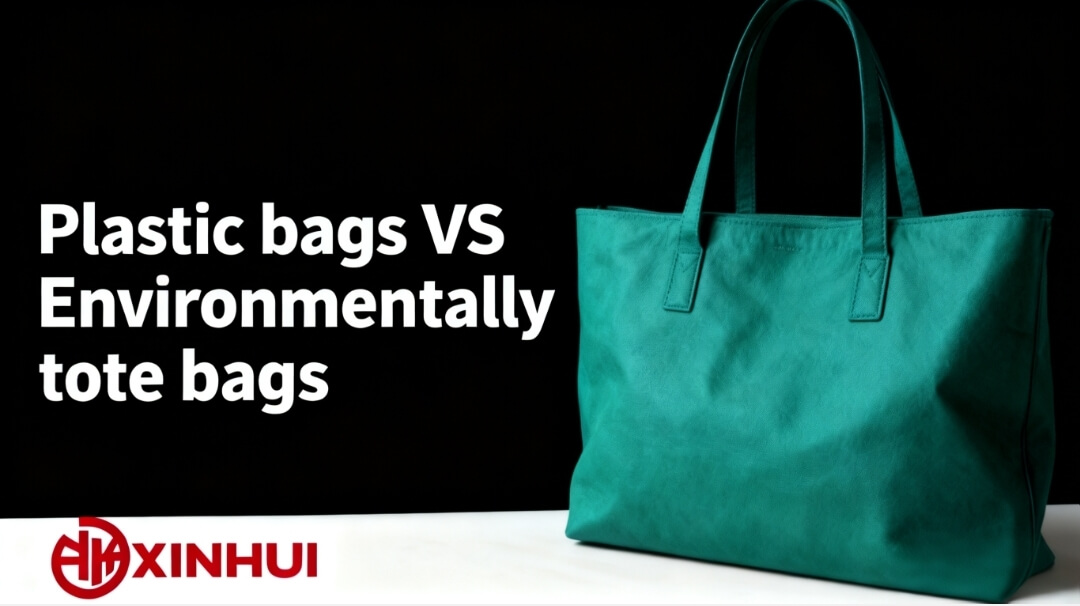
In the morning at the local market, the fresh, crisp scent of cucumbers fills the air as the vendor stuffs your tomatoes into a plastic bag. You grab the bag and head home — the wind lifts the corner, but you don’t notice the “single-use” label printed on it. This feather-light plastic bag carries the world’s heaviest burden: more than a hundred billion plastic bags enter the oceans each year, turning into “fake jellyfish” in sea turtles' stomachs, becoming “invisible toxins” in the soil, and even showing up as microplastics in our drinking water.
Is there a choice that lets you carry your vegetables with ease and without guilt? The answer lies in environmentally friendly tote bags — not "sacrificial" eco-friendliness, but a smarter way to make “loving the Earth” part of daily life.
The "Short-Lived Evil" of Plastic Bags: 12 Minutes of Convenience, 1,000 Years of Cost
We often think of plastic bags as “cheap and convenient,” but we overlook their hidden costs:
-
Production Side: To make a typical plastic bag (weighing about 8-10 grams), it consumes 0.1-0.5 liters of water and releases 11-14 grams of CO₂ — enough to power a 10-watt lightbulb for 2-3 hours, based on standard electricity generation (including coal and natural gas). The more concerning part: plastic bags may take hundreds of years to degrade naturally, breaking down into microplastics that pollute the soil and oceans.
-
Usage Side: The “lifetime” of a plastic bag is just 12 minutes, after which it either sits in a landfill for 1,000 years or is blown into rivers, eventually making its way to the ocean.
-
Recycling Reality: Only 9% of plastic bags are actually recycled globally. The rest are either burned, emitting black smoke, or end up as “ocean PM2.5,” ingested by fish and later ending up back on our plates.
As marine conservation organizations put it, “Every plastic bag you discard could be the weapon that kills the next sea turtle.”
The "Long-Term Romance" of Environmentally Friendly Tote Bags: One Commitment, a Lifetime of Green
Environmentally friendly tote bags aren’t just a “substitute” — they’re a “smarter choice.” Their value lies in every time they are reused:
-
Durability: A high-quality canvas tote bag can carry 50 pounds of rice or 10 pounds of vegetables, withstand 50 washes without losing shape, and stay with you from pregnancy to when your child goes to school.
-
Eco-Friendly Impact: The carbon emissions of producing an organic cotton environmentally friendly tote bag are just 1/20th that of a plastic bag. One tote can replace 500 plastic bags, which is like saving a tree every year.
-
Hidden Benefits: Choose a model with compartments, and you can store your phone, keys, and bus card — 100 times more thoughtful than a plastic bag. A foldable version fits in your pocket, so you never have to worry about “unexpected shopping.”

Making Earth Friendly Tote Bags Stick to Your Life: 3 Simple Tips
Want to turn your earth-friendly tote bags from an occasional use item into an everyday essential? Try these 3 tricks:
-
The “Handy Principle”: Hang a foldable one by the door, so you can grab it on your way out. Keep a large one under the car seat for weekend grocery runs or trips to the park, so you’re always prepared.
-
Add a Little Ritual: Choose one with your favorite design or slogan (like “Say no to plastic, start with this bag”), and carrying it will give you a sense of pride like you’re doing something right.
-
Give Old Bags a New Life: If your canvas bag gets dirty, repurpose it as a storage bag, pet bed, or even a DIY project for your kids — by letting it “live on,” you’re making sure it doesn’t go to waste.
In the End: Your Choice is the Earth’s Future
The truth is, eco-friendliness has never been about doing grand gestures — it’s about doing the small things well. The next time you’re offered a plastic bag, just shake your head and say, “I have an earth-friendly tote bag.” When you buy a new bag, choose one made of organic cotton or recycled materials. Share your “bag story” with friends. All these little actions add up to big changes.
After all, we don’t want our children asking, “Mom, what’s a sea turtle?”
We want to tell them, “Sea turtles swim in the ocean, and there are no plastic bags around them, just clean water.”
We want to tell them, “Sea turtles swim in the ocean, and there are no plastic bags around them, just clean water.”
Where can you find reliable eco-friendly canvas bags?
The sheer variety of canvas bags available online can be overwhelming, but truly worthwhile bags must meet these three criteria:
High-quality materials: Choose bags made from 100% recycled polyester or certified organic cotton, rejecting "fake eco-friendly" products;
Thoughtful design: Waterproof and durable, with multiple compartments and a suitable shoulder strap length to hold everyday essentials;
Reliable brand: Supports customization and offers recycling services, ensuring a sustainable and environmentally friendly cycle.
Take action now: Click the link below to get your first eco-friendly canvas bag—this is more than just "buying a bag," it's "making a commitment to the planet."


What is Cotton Fabric?
Black Purse Handbag Selection: 3 Timeless Black Bags
Related Article

Sport bag buyers should check shoe space, lining, ventilation, and load balance. Learn what to inspect before ordering or customizing yours.
Why a sport bag Can Fail When the Shoe Compartment Fills

Quality inspection helps buyers keep repeat canvas tote orders consistent. Learn four checkpoints and practical standards to reduce quality disputes.
Why Repeat Orders Fail Without quality inspection

