
Leather VS Canvas Which Bag Material Fails First in Real Life?
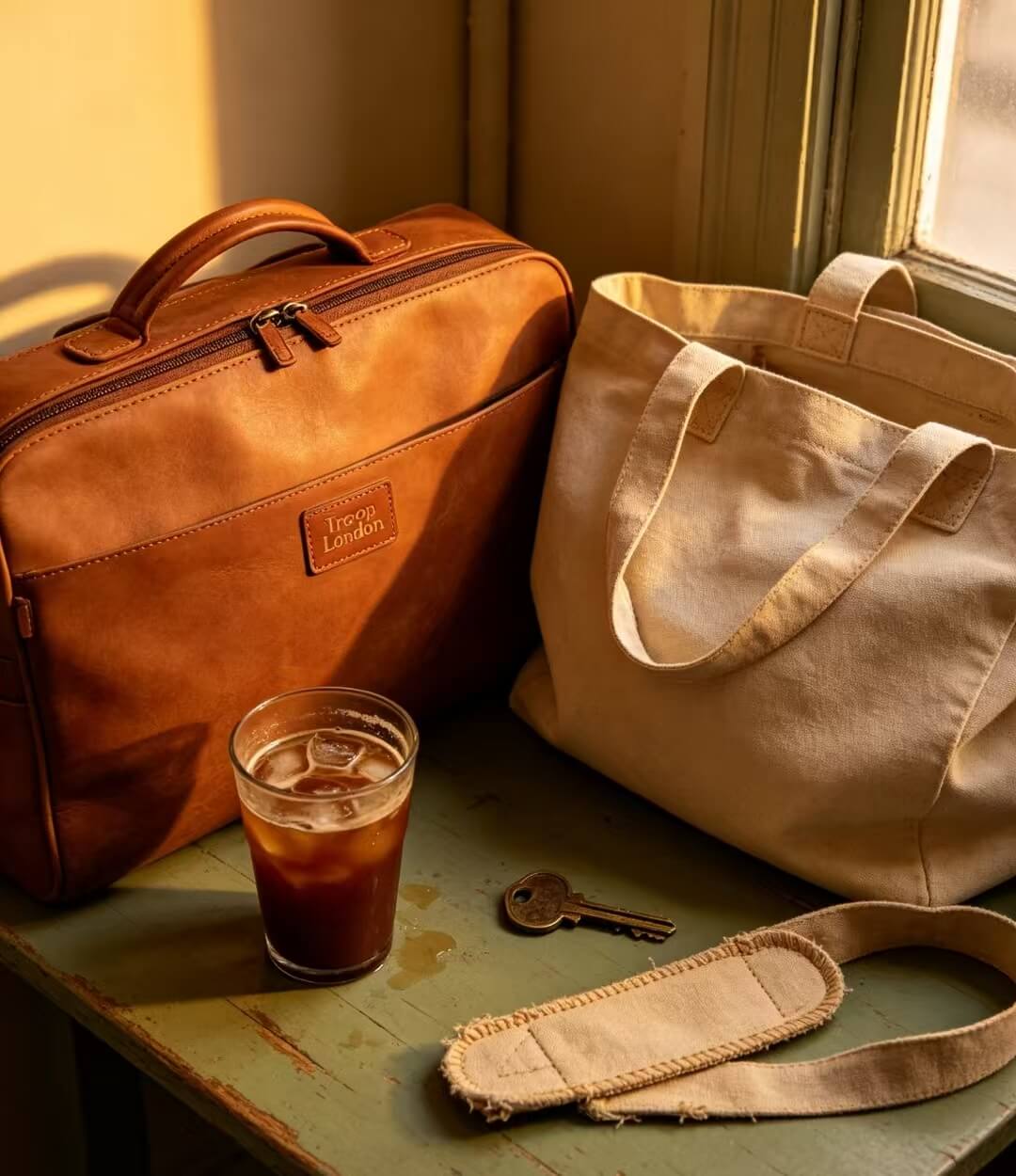
If you search for leather vs canvas, you’ll find the same recycled arguments everywhere: leather is more durable, canvas is lighter and cheaper, leather needs care, canvas hates water. Then it ends with: “just choose based on your lifestyle.”
If you search for leather and canvas, you’ll see similar advice—polished, reasonable, and honestly not very useful in real life.
And if you keep looking up leather vs canvas, you’ll notice something else: almost all of it is based on ideal conditions, not real daily use.
The truth about leather and canvas is that your bag doesn’t live in a showroom. It lives in crowded trains, sweaty summers, rainy commutes, and overheated rooms.
And one more time: leather vs canvas debates rarely talk about how bags actually fail.
The same goes for leather and canvas discussions online—they compare materials, not real damage.
So instead of “which is better,” this is about how leather vs canvas really breaks in everyday life, and how leather and canvas behave when things go wrong.
Leather VS Canvas in Summer leather VS canvas
Leather VS Canvas in Summer Sweat Problems
Leather in summer mainly struggles with sweat.
Sweat contains salt, oil, and mild acids. When it hits leather:
- Straps and handles darken and stain
- The surface feels sticky against skin
- Light-colored leather gets uneven patches after rain + sweat mix
This is why leather vs canvas often looks unfair in summer—leather reacts strongly to sweat exposure.
If you look at leather and canvas, canvas behaves differently. It absorbs moisture instead of staining, but it becomes heavier when wet.
Leather VS Canvas in Summer Weight and Moisture
Canvas looks simple, but it absorbs water fast.
A 400g bag can nearly double in weight when soaked. That extra load stresses seams and bottom corners.
This is where leather vs canvas comparisons get misleading again—canvas isn’t “immune,” it just fails differently.
Waxed canvas performs better in summer. Water rolls off, and the bag doesn’t stick to your back.
But in leather and canvas discussions, people often forget: untreated canvas is the real weak point.
Leather VS Canvas Wet Season leather VS canvas
Leather VS Canvas Mold and Damp Issues
In humid seasons, both materials suffer.
Canvas problems:
- Mold spots (black or green)
- Musty smell
- Fibers weaken over time
Leather problems:
- White salt-like bloom on the surface
- Inner lining may develop mold
- Edges swell from moisture
A common mistake in leather vs canvas use is sealing a wet bag in plastic. That traps moisture and speeds up damage.
And in leather and canvas storage habits, people often assume “covered = safe,” which is wrong.
Leather VS Canvas Cleaning Reality
Canvas mold can be treated:
- Brush off surface mold
- Use diluted vinegar (1:3 with water)
- Wipe and fully dry in air
Leather needs a different approach:
- No heat drying
- Use cloth to absorb moisture
- Air dry naturally
- Apply leather conditioner after drying
This is where leather vs canvas becomes less about preference and more about maintenance discipline.
And leather and canvas behave almost oppositely when cleaned incorrectly.
Leather VS Canvas Winter leather VS canvas
Leather VS Canvas Heat and Dry Air Damage
Leather struggles most in heated indoor air.
Low humidity dries out natural oils inside leather. Then:
- Surface becomes stiff
- Fine cracks appear on folds
- Handles lose flexibility
This is a classic failure in leather vs canvas comparisons—people forget indoor heating matters more than outdoor cold.
In leather and canvas, leather needs conditioning, while canvas mostly just stiffens temporarily.
Leather VS Canvas Storage in Winter
Correct winter storage for leather:
- Clean before storing
- Stuff with paper to hold shape
- Use cotton dust bag
- Keep away from heaters
Canvas:
- May feel stiff in cold
- Returns to normal when warm
- Main risk is hidden damp turning into mold later
So in leather vs canvas , winter is more about prevention than repair.
And leather and canvas again show different failure timelines.
Leather VS Canvas Hybrid Option leather VS canvas
The smartest choice isn’t always one material.
Many experienced users choose a hybrid approach:
- Canvas body: light, flexible, breathable
- Leather base: protects against wear
- Leather handles: resists sweat damage
- Leather trim: adds structure and style
This leather vs canvas hybrid is not new—it’s a century-old design approach.
In leather and canvas combinations, you get balance instead of extremes.
For most daily life, leather vs canvas hybrids outperform pure materials because they reduce weak points.
And in leather and canvas , this is the most practical middle ground.
FAQ — leather VS canvas leather and canvas
Q1: My leather strap turned dark from sweat. Can it be fixed?
If it’s only surface discoloration, you can clean it with a mild leather cleaner and apply conditioner. But deep sweat stains are usually permanent. In leather vs canvas, this is one of leather’s biggest weaknesses. A washable shoulder pad helps protect it in leather and canvas use.
Q2: My canvas bag smells moldy. Is it ruined?
Not necessarily. Treat it with vinegar solution, then use baking soda or activated carbon to absorb odor. If smell remains deep in lining, leather vs canvas logic says canvas can still be saved—but not always. In leather and canvas , moisture trapped inside is the real enemy.
Q3: Can I use olive oil on cracked leather?
No. It can oxidize, turn sticky, and attract dust. Use proper leather balm instead. In leather vs canvas, leather maintenance mistakes are common. In leather and canvas, correct conditioning makes a huge difference.
Q4: If I can only choose one bag for all seasons, which should I pick?
Canvas, preferably waxed canvas. It handles sweat, rain, and heating better overall. In leather vs canvas , leather requires more controlled conditions. In leather and canvas , canvas is simply more forgiving for daily life.
Q5: Do I need waterproof spray on waxed canvas?
Usually no. Wax already provides water resistance. Extra spray can make it sticky. Re-wax every 12–24 months depending on use. This is a key difference in leather vs canvas, and also important in leather and canvas maintenance routines.
In the end, leather vs canvas is not about which one is better. And leather and canvas is not just a material comparison either.
It’s about where you live, how you move, how much you sweat, and how you store your bag.
Choose wrong, and even an expensive leather bag fails fast. Choose right, and even a cheap canvas bag lasts for years.
PVC Purse Cloudy or Sticky? How to Clean It Without Damage?
Why Backpack Uses Matter for Comfort and Daily Life?
Related Article


