
Iron Canvas Guide: Safe Ironing and Durable Transfers
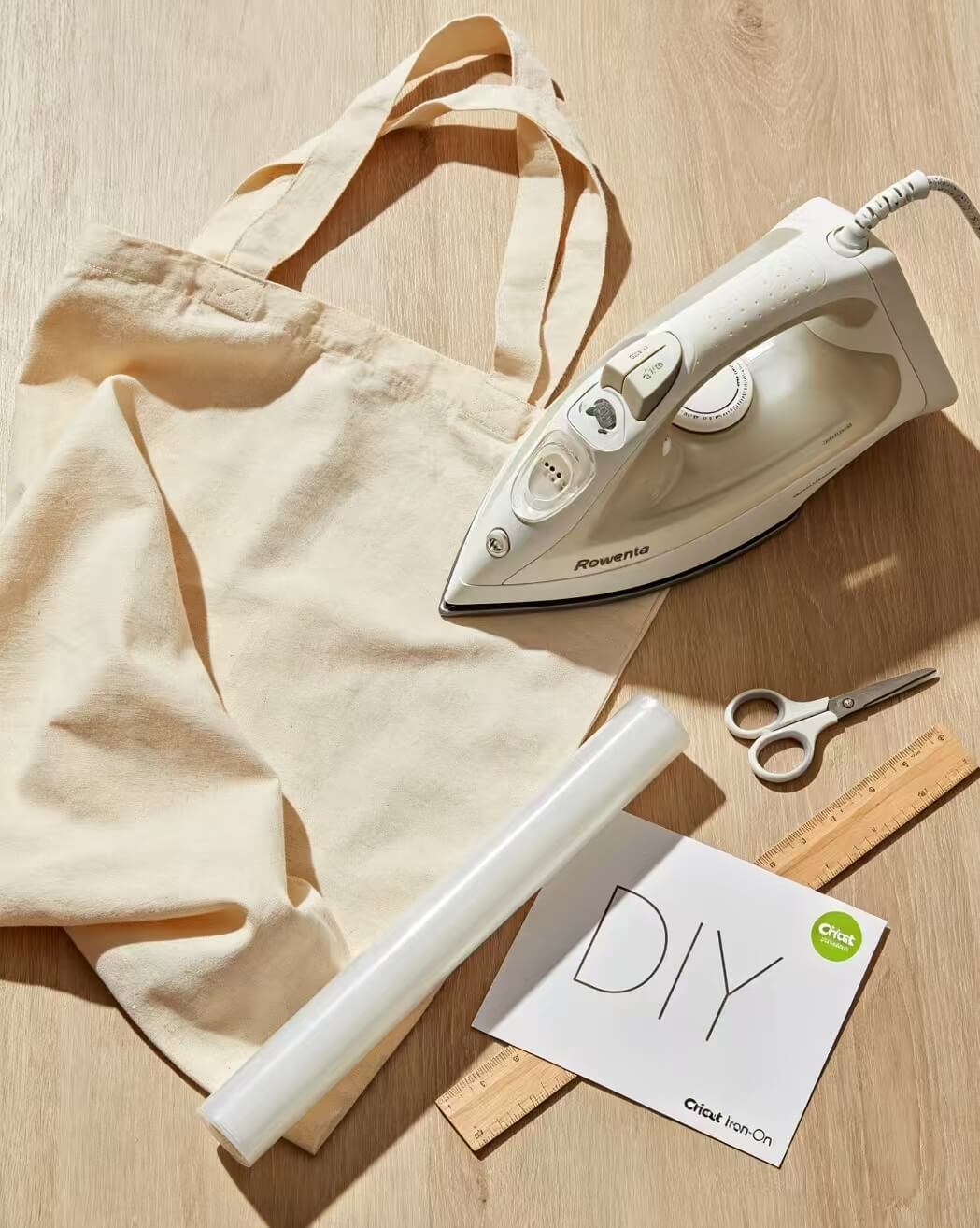
Want to make your favorite canvas bag smooth and crisp again? Or add a custom patch or design? Whether you want to iron canvas, plan to iron on to canvas, or create a personalized iron on canvas bag, this guide covers everything you need to know.
We'll answer the most common questions about iron canvas, iron on to canvas, and iron on canvas bag projects, helping you achieve professional-looking results while avoiding common mistakes.
Iron Canvas Essentials
Directly ironing canvas is the most effective way to remove wrinkles and restore structure. The key is using the right temperature and technique.
Q1: What temperature should I use to iron a canvas bag?
Answer:
Pure cotton canvas can tolerate relatively high temperatures. A safe range is 150°C–180°C (300°F–355°F).
- Thick canvas shopping bags can typically handle temperatures near the upper limit.
- Thin canvas bags or blended fabrics should be tested at 150°C first.
- Always test a hidden area, such as an inside seam, before ironing the entire bag.
Q2: Is there any way to prevent a canvas bag from wrinkling so I don’t have to deal with it all the time?
A: Yes, absolutely. The best prevention methods are:
- Avoid rough folding: Try to hang the bag for storage whenever possible. If not, stuff it with old clothes or bubble wrap to help it keep its shape.
- Smart packing for travel: You can use it as a “packing bag.” Fill it with soft clothes. This saves space and also prevents deep creases from forming.
Q3: Can I iron canvas with prints or embroidery?
Answer:
Yes, but you must be careful.
- Turn the bag inside out whenever possible.
- Iron from the reverse side.
- If turning the bag inside out is impossible, place a thick damp cotton cloth or towel over the design before ironing.
Never allow the iron's soleplate to touch printed or embroidered areas directly.
Q4: How should I iron canvas seams and linings?
Answer:
Most linings are made from polyester, which is less heat-resistant than canvas.
- Lower the temperature to approximately 130°C–150°C.
- Move the iron quickly across lined areas.
- Apply slightly more steam to seams to help heat penetrate evenly.
This helps create a smoother finish without damaging the lining.
Iron Canvas Guide to Iron On To Canvas
Applying graphics or patches with heat is one of the most popular DIY methods. When you iron on to canvas, you are creating a heat-bonded connection rather than simply ironing fabric.
Q5: Can regular iron-on decals be used to iron on to canvas?
Answer:
Yes, but only if the material is designed for fabric applications.
Choose Heat Transfer Vinyl (HTV) made specifically for textiles.
For cotton canvas:
- Recommended temperature: 135°C–160°C
- Pressing time: 10–15 seconds
Regular plastic stickers are not suitable because they can melt or become damaged under heat.
Q6: Is a heat press better than a household iron for iron on to canvas projects?
Answer:
A heat press provides more consistent pressure and temperature, which improves success rates.
However, a household iron can still produce excellent results.
For successful iron on to canvas applications:
- Turn off the steam setting.
- Use the highest cotton or linen setting.
- Cover the transfer with parchment paper or a Teflon sheet.
- Apply firm pressure for 30–60 seconds.
Consistent pressure is essential.
Q7: Why does my iron on to canvas design peel after washing?
Answer:
The most common causes are insufficient heat, pressure, or cooling time.
Make sure:
- The temperature is high enough.
- Pressure is applied evenly.
- The pressing time is long enough.
After pressing:
- Cold-peel HTV should cool completely before removing the carrier sheet.
- Warm-peel HTV should be peeled while slightly warm.
Wait 24–48 hours before washing for the first time.
Q8: The roll-and-press shaping method needs overnight pressure. What if I don’t have that much time?
A: Longer is better, but even 2–4 hours can noticeably improve wrinkles. You can do it during work or school hours. The key is to use enough weight and distribute it evenly, such as a stack of thick books.
Iron Canvas Care for an Iron On Canvas Bag
Proper care helps transfer designs stay vibrant and durable for years.
Q9: How do I wash an iron on canvas bag correctly?
Answer:
Follow three simple rules:
Turn Inside Out
- Reverse the bag before washing.
Wash Gently
- Use cold water or a low-temperature setting.
- Hand washing or a delicate machine cycle is recommended.
Air Dry
- Avoid high-heat tumble dryers.
- Hang the bag to dry naturally.
These steps help preserve every iron on canvas bag design.
Q10: How can I safely remove a failed iron on canvas bag transfer?
Answer:
You can often remove a transfer by reheating it.
- Cover the design with parchment paper.
- Apply heat carefully.
- Lift the transfer while it is still warm.
For adhesive residue:
- Use a fabric-safe adhesive remover.
- Or test a small amount of rubbing alcohol on a hidden area first.
Work slowly and carefully to avoid damaging the canvas.
 Q11: If I can only choose one method while traveling, which one is best?
A: The bathroom steam method is the top choice for travel.
Most hotels or guesthouses have hot showers, so no extra tools are needed. Simply hang the bag in the bathroom while you shower. The steam will naturally relax the fabric and reduce wrinkles. It’s the easiest, zero-cost option.
Q12: Will the bathroom steam method make my canvas bag damp, moldy, or leave water stains?
A: It depends on how you control it. Steam from hot water softens the fibers—it should not directly wet the bag.
To stay safe:
- Hang the bag slightly away from the shower area so it won’t get splashed (for example, behind the door).
- After steaming, place it in a well-ventilated area to dry completely.
If done correctly, there will be no mold or water stains at all.
Iron Canvas Summary for Every Iron On Canvas Bag
Whether you want to iron canvas to remove wrinkles, iron on to canvas for custom decoration, or maintain an iron on canvas bag , success depends on three key factors:
- Understanding the material
- Controlling temperature properly
- Working patiently
Before working on any iron on canvas bag, always perform a small test in an inconspicuous area. A quick test is far easier than repairing a mistake later.
With the right technique, you can confidently refresh, customize, and enjoy your canvas bag for years to come.
Wristlets: Practical Guide to Wrist Pouch and Benefits of Wristlet Wallets
music tote bag for concerts FAQ
Related Article


