
What to Bring to an Interview?
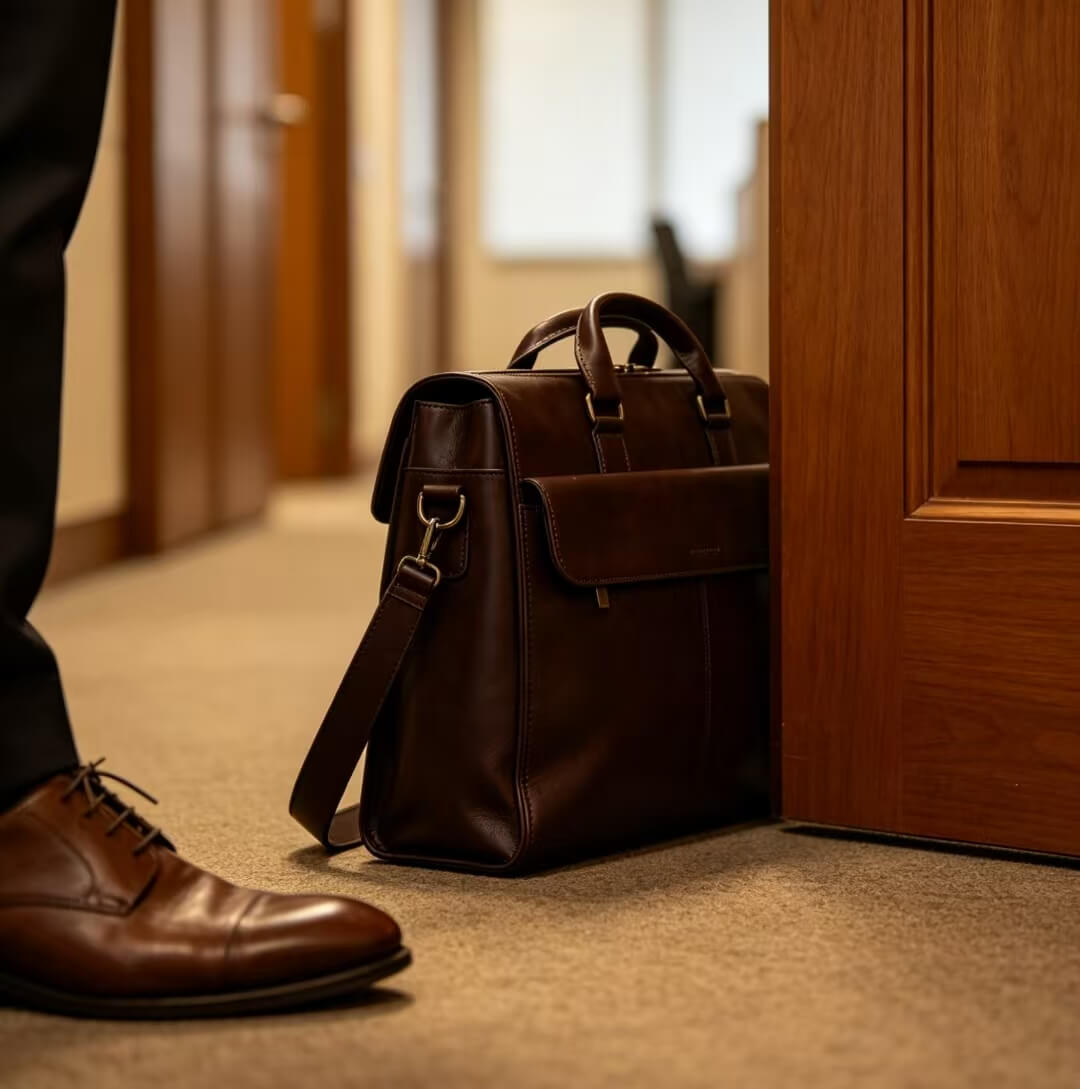
When people search for interview bag and interview purse, most articles repeat the same advice: neutral colors, structured shape, no big logos. The same goes for interview bag and interview purse, where the focus stays on appearance rather than real-life use. And again, when you look up interview bag and interview purse, you’ll notice the same checklist everywhere—but very few people talk about what actually happens on interview day.
interview bag & interview purse usage mistakes
Most advice online stops at “buy a structured bag.” But real interviews expose small mistakes that matter more than the bag itself.
A recruiter once shared a case: a candidate walked in holding an interview bag strap tightly during the handshake. The nervous grip made the first impression worse than expected.
Here are the details people often miss:
- Before shaking hands, remove the strap of your interview purse from your shoulder. Hold it properly in your hand or place it in your arm bend.
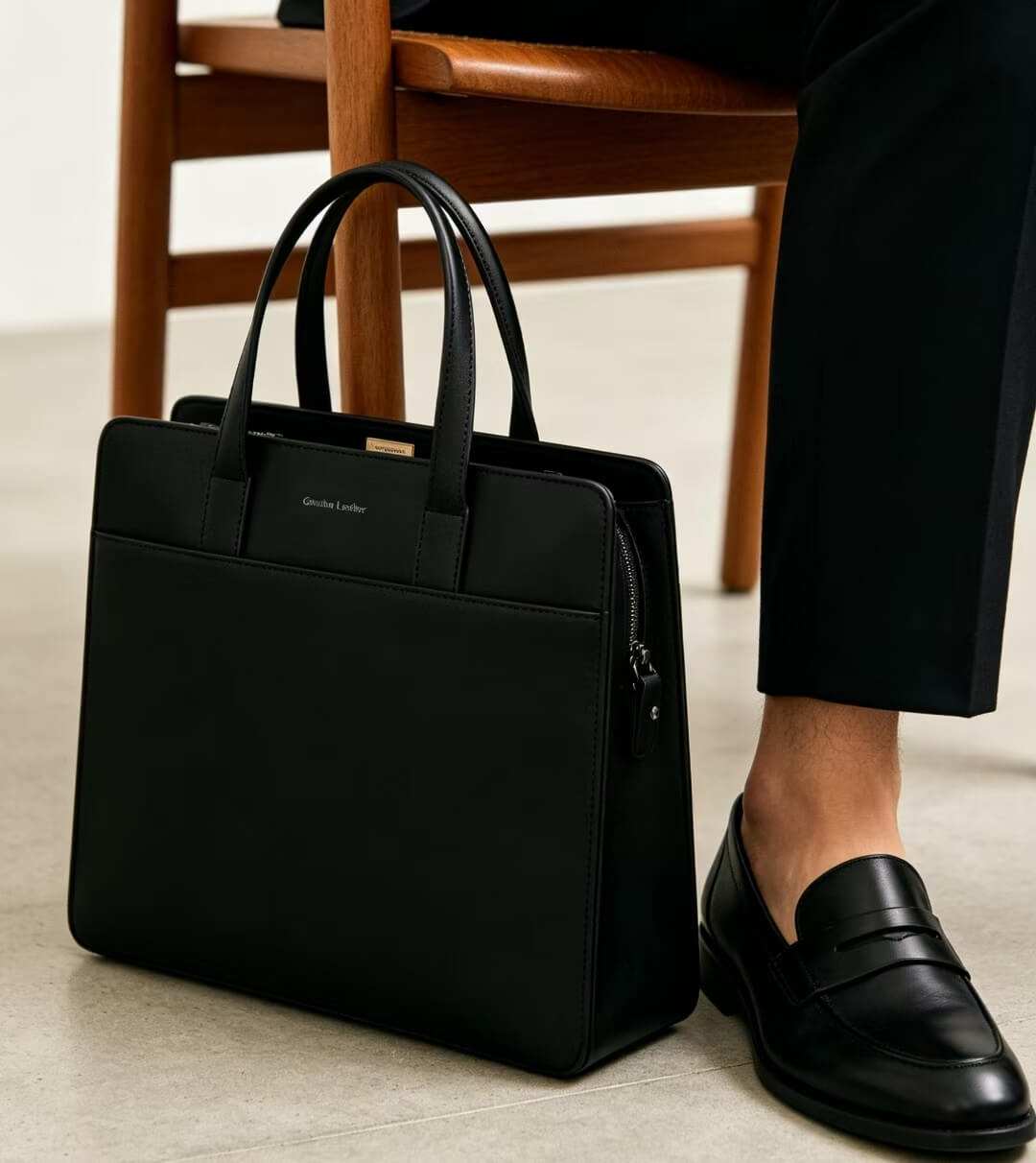
- After sitting down, place your interview bag on the floor to your right side. Not on your lap, not on the chair back.
- When taking out your resume from the interview purse, know exactly where it is. Don’t rummage loudly.
- Keep zippers of your interview bag fully closed before walking in. Loose metal sounds can signal nervousness.
interview bag & interview purse commuting strategy
Most candidates don’t arrive perfectly styled—they arrive rushed. Subway rides, cycling, and walking all affect how your interview bag looks when you enter the room.
Two practical approaches:
- Dual-bag method: Put your small interview purse inside your larger commute bag. Once you arrive, leave the big bag at reception and only bring the interview bag into the interview area.
- One-bag solution: Use a waxed canvas messenger-style interview purse. It works for commuting and still looks structured enough for interviews after removing daily items.
interview bag & interview purse budget alternatives
You don’t need an expensive leather interview bag. Many affordable options work just as well if used correctly.
- Turn an old tote into a structured interview purse by adding a simple bag insert.
- Buy a second-hand minimal interview bag with no logo. Clean hardware matters more than price.
- In some cases, men can skip a bag entirely and use a rigid document holder instead of an interview purse, especially if pockets are enough.
FAQ: Interview bag & interview purse basics
Q: Do I have to bring a bag to an interview?
Not always. If you only carry a phone, pen, and documents, a rigid folder is enough. But for multi-stage interviews or portfolios, a small bag is safer.
Q: Can I use my everyday tote or backpack?
Only if it looks clean and structured. Soft, slouchy bags look unprepared. Inserts can fix this quickly.
Q: What should I do if it rains?
Use a plastic cover for your umbrella and keep it separate from your documents. Never place a wet umbrella in the same compartment as your resume.
Q: How do I handle commuting with a large backpack?
Either switch to a dual-bag system or use a structured messenger bag that works for both commuting and interviews.
Q: Is a sporty backpack acceptable?
Avoid bright colors and large logos. A plain, dark, minimal backpack is acceptable if you hold it neatly when entering the room.
Why Custom Bread Bags Fail With Nylon Material? Fix It
how to clean a gym bag
Related Article


