
The Value of Modern Leather Goods and Accessories: Beyond Style
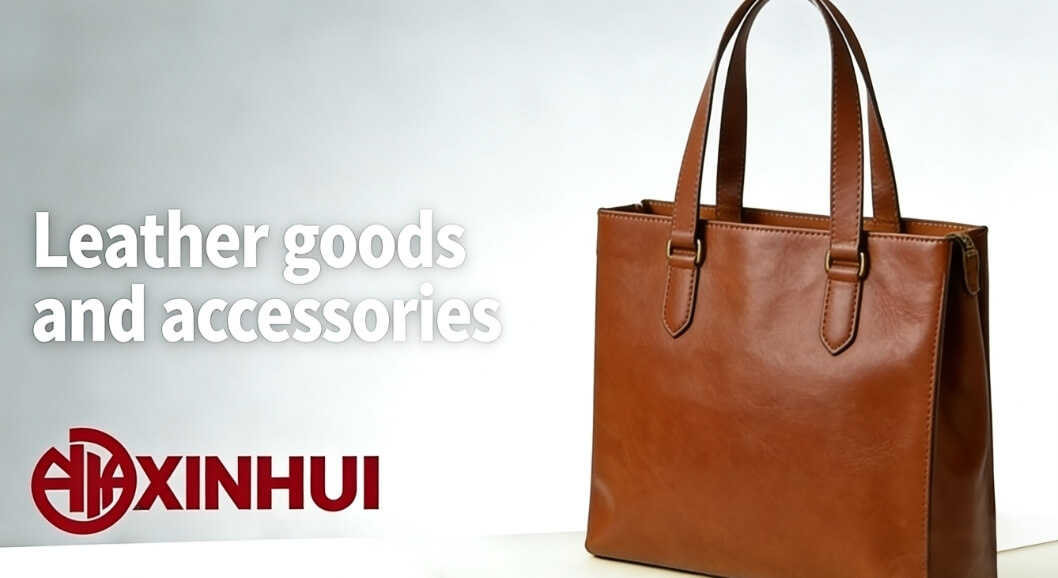
Have you ever wondered Which brand has the best quality leather? With fast fashion items filling your wardrobe, do you sometimes long for leather things that can grow with you and tell a story over time? In today’s world of sustainability and innovation, things made of leather are quietly undergoing a transformation. This article will not only answer What are some leather goods? but also explore how classic leather products examples can seamlessly integrate into modern life and become an essential companion for a refined lifestyle.
Redefining the Value of Modern Leather Goods
In the past, choosing leather goods and accessories was primarily about brand and design. Today’s consumers are smarter, asking: Is leather goods a good business? Behind this question is an evaluation of quality, sustainability, and long-term value. True value lies not in the logo, but in how well these items integrate into your life and increase in value over time.
Personalized Customization: The New Essential for Leather Goods and Accessories
Leather Things and Practical Use: How to Take Care of Your Leather Products
Standard guides tell you what to buy, but we want to help you understand how to make the most of your leather items.
Smart Integration: Merging Technology with Leather Goods
-
Anti-theft and Anti-loss Technologies: British brand Aspinal of London introduced briefcases with built-in smart chips for real-time tracking via a mobile app. No more worrying about forgetting or losing your leather things.
-
Practical Tech for Leather Accessories: Barami Gütermann developed conductive leather for smartwatches, enhancing biometric recognition for wearable devices.
Care for Your Leather Products: A Guide for Maintenance
-
High-Use Items (Wallets, Watch Straps): Clean the surface once a month with a damp cloth and nourish with specialized leather care oils every quarter.
-
Home Leather Goods (Sofas, Chairs): Use professional cleaners every six months and avoid direct sunlight exposure.
Longevity: The Core of Leather Goods Business
“Is leather goods a good business?” — The real logic behind leather commerce lies in longevity, which stems from scientific care.
Seasonal Leather Care Chart
| Season | High-Risk Issues | Action Plan |
|---|---|---|
| Spring | Mold and Humidity | Use a horsehair brush to sweep, apply Lexol anti-mold cream (with tea tree oil) |
| Summer | Sweat Staining | Wipe weekly with a damp cotton cloth, apply Bick 4 care oil |
| Autumn | Dryness and Cracking | Deep nourishment: Clean with Saphir Reno'Mat, followed by MDO cream |
| Winter | Cold Cracking | Stuff with pear paper and store in a cotton dust bag |
✨ Quick Scratch Fix: Apply a small amount of food-grade olive oil with a cotton swab, leave for 10 minutes, then buff gently with a soft cloth – no need for professional repair!
Innovative Leather Technologies: The Future of Leather Goods
Sustainability: Conscious Choices in Leather Goods
When asked What products are made of leather?, we must also consider the environmental impact. As consumers, it’s important to make conscious choices that reflect responsibility toward our planet.
Eco-Friendly Certifications and Materials
-
Eco-Certified Brands: Look for brands with Leather Working Group (LWG) gold standard certification, ensuring their supply chains meet rigorous environmental standards.
-
Innovative Materials: New alternatives, like AppleSkin (made from apple waste) and Desserto (from cactus), provide eco-friendly options for consumers focused on sustainability.
Transparency in Leather Production: Blockchain and Carbon Footprint
Dutch brand Moooi introduced the first leather sofa with blockchain traceability. By scanning a QR code, users can access the entire carbon footprint data from farm to finished product. This transparency helps consumers understand the environmental impact of their purchase decisions.
The Emotional and Cultural Significance of Leather Goods and Accessories
Leather and Mental Health: Unexpected Benefits
Recent studies show that interacting with natural leather can have a positive impact on your mental health. Japanese researchers found that handling vegetable-tanned leather lowered cortisol levels, helping to reduce stress. This provides a new perspective on leather products — not just as functional items, but as tools for emotional well-being.
Niche Trends: The Future of Leather Things
When selecting leather collars or accessories for pets, make sure they meet safety standards, including the use of non-toxic dyes and avoiding harmful heavy metals. EU regulations now mandate these requirements to ensure the health of pets.
The younger generation values durability over fast fashion, choosing fewer, high-quality items like leather things that can last for years. They are willing to pay a premium for durable products, often keeping them for over five years.
Answering Your Questions About Leather Products
❓ What are some leather goods?
Besides bags and shoes, some leather products examples include leather bookmarks (from Japan’s Midori brand), leather measuring tapes (used by tailors), and leather headphone stands (by Audio-Technica) — small items that demonstrate true craftsmanship.
❓ What are the 4 types of leather?
-
Full-Grain: The highest-quality leather, often used for vegetable tanning, darkening with use.
-
Top-Grain: Slightly buffed for a smoother surface, often used in luxury items.
-
Corrected-Grain: Reworked to remove imperfections, typically found in lower-cost products.
-
Suede: Soft leather with a napped finish, commonly used for fashion accessories.
❓ Is leather goods a good business?
Global second-hand leather platform Rebag shows that well-maintained Hermès Birkin bags retain over 120% of their value in five years, proving the resilience of the “slow consumption” economy. The key, however, lies in choosing brands focused on craftsmanship and sustainability, rather than chasing logos.
Upgrade Your Lifestyle with Delicates Laundry Bags and Toiletry Bags
Large Snorlax Plush: Discover the World's Biggest Stuffed Toy
Related Article


