
Full Grain Leather, An Honest Guide to Time and Value
author: li
2026-04-02
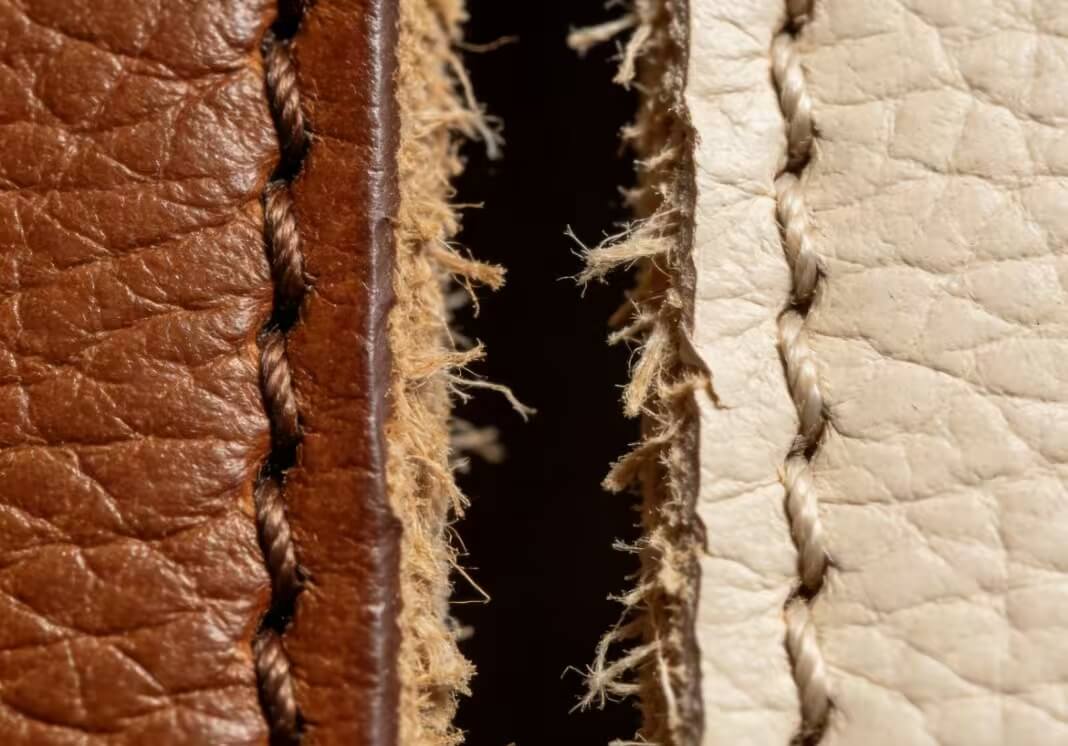
When you type “full grain leather, what is full grain leather” into a search bar, you’re not just looking for a definition. You’re asking about a promise of quality, durability, and long-term value. In an era dominated by fast consumption, why are people still willing to pay more for a pair of boots, a leather bag, or a sofa? Today, we’ll skip the marketing fluff and focus on one core question: full grain leather—what exactly is it, and is it really worth your investment?
What Is Full Grain Leather Made Of and Why It’s Unique
To appreciate the value of full grain leather , we first need to answer what is full grain leather made of ? It’s not some mysterious high-tech material; it’s about as natural as leather gets. Picture a premium cowhide: the outermost layer is tight, with natural pores and subtle textures. This layer is called the grain layer. full grain leather is leather that retains this entire natural grain during processing. Craftspeople don’t sand, buff, or polish it to hide scars or textures—they simply tan and dye it as needed. Each piece of full grain leather is therefore as unique as a fingerprint, preserving the animal’s natural life markings.
This is fundamentally different from “top grain leather,” which is sanded and embossed for a flawless appearance. Top grain sacrifices some of the leather’s strongest fibers for uniformity, while full grain leather keeps all of its strength and authenticity intact.
How Long Does Full Grain Leather Last?
This leads to the next key question: how long does full grain leather last? The answer: much longer than you might imagine. Because its dense fibers remain intact, it has unmatched durability. Industry data show that full grain leather with its grain layer preserved can last well over a decade. Military and outdoor boots made of full grain leather maintain structural integrity even after 18 months in harsh conditions, while cheaper alternatives may wear out in just six months.
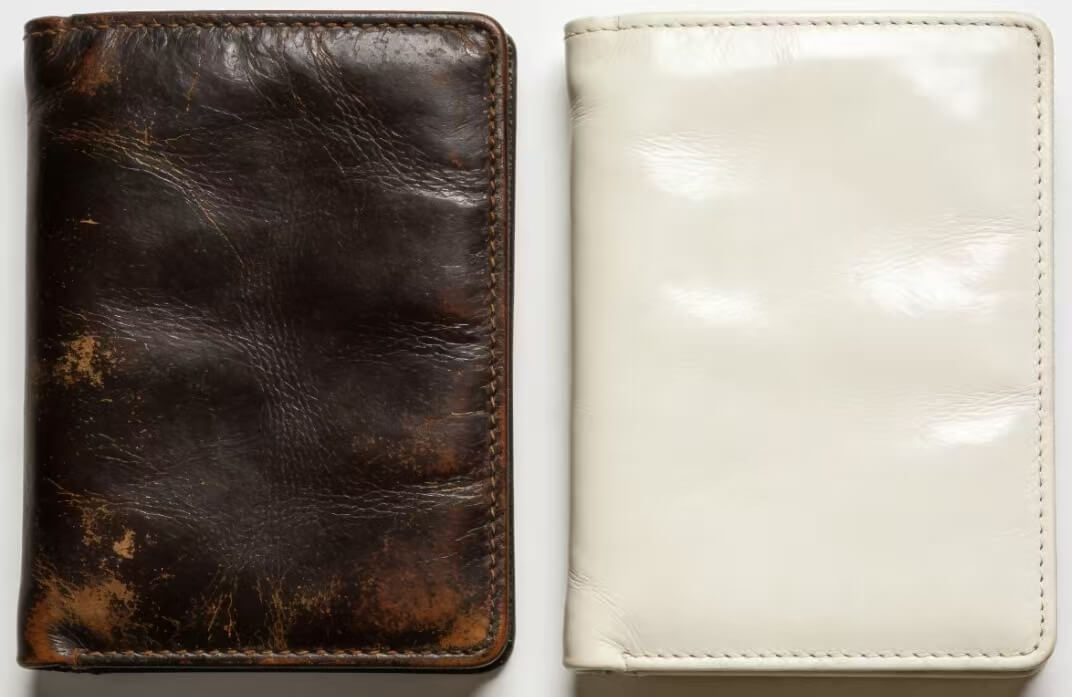
But durability is only part of the story. full grain leather develops a living patina over time. Exposure to oils, light, and daily use deepens its color and brings out a warm, lustrous sheen unique to you. This evolving beauty turns each item into a personal story, making its lifespan measurable not just in years but in aesthetic value.
What Are the Disadvantages of Full Grain Leather?
Naturally, every top-tier material comes with its challenges. Let’s address what are the disvantages of full grain leather?
-
High initial cost: Because it’s sourced from the best part of the hide, free of major flaws, full grain leather is naturally a luxury material. You’re paying for the truest, most complete form of leather.
-
Maintenance required: It’s not a “set and forget” product. Regular care, such as using a dedicated leather conditioner every six months, is essential to maintain its condition and encourage patina development. Think of it like nurturing a relationship.
-
Natural marks are visible: Tiny scars or uneven textures prove authenticity. If you want a perfectly uniform, industrial look, this may not be your choice.
-
Initial break-in period: Shoes, in particular, may feel stiff at first, requiring time to conform comfortably to your foot.
These factors might make you hesitate—but let’s consider a different perspective.
Why Full Grain Leather Is a Smart Long-Term Investment
Consider cost over time. A full grain leather briefcase priced at $450 (roughly 3000 RMB), used conservatively for 20 years, costs only $22.50 per year. In contrast, an $120 (800 RMB) synthetic bag might need replacing every two years, totaling over $1,200 across the same period—making it more expensive annually.
Choosing full grain leather is more than financial sense; it’s a sustainable lifestyle choice: reducing waste, avoiding disposable products, and investing in items that grow with you and hold memories. Its value increases, rather than diminishes, with daily use.
How to Identify and Care for Full Grain Leather
When investing, how do you ensure you get your money’s worth? Here are simple guidelines:
- Look: The surface should show clear, naturally irregular pores and textures; the cross-section reveals dense fibers.
- Smell: Real leather has a rich, natural scent, not a chemical odor.
- Ask: Confirm with the seller if it’s full grain leather and inquire about tanning methods.
- Feel: It should feel plump, elastic, and warm, not plastic-like.
Care is simple. A soft cloth and a leather conditioner—or even a mild moisturizer in emergencies—applied regularly is all full grain leather needs to thrive.
Full Grain Leather: Investing in Time, Not Just Objects
So, back to the original question: Full frain leather, What is full grain leather ?It’s more than premium leather. It’s a choice—choosing authenticity over imitation, longevity over short-term use, and creating a story alongside an object rather than passively consuming it.
In a restless world, full grain leather is a quiet rebellion. Choosing it means you’ll own something that not only stays sturdy for decades but also grows more beautiful and unique with every use. The value that deepens over time, along with emotional attachment, may be the truest answer to whether it’s worth it.
Don’t Just Look at the ‘Genuine Leather’ Tag! A Leather Type Of Guide
How to Fix Scratched Leather: Expert Repair Guide
Related Article

Sport bag buyers should check shoe space, lining, ventilation, and load balance. Learn what to inspect before ordering or customizing yours.
Why a sport bag Can Fail When the Shoe Compartment Fills

Quality inspection helps buyers keep repeat canvas tote orders consistent. Learn four checkpoints and practical standards to reduce quality disputes.
Why Repeat Orders Fail Without quality inspection

