
From Traditional Fabrics to Sustainable Smart Materials – The Endless Possibilities of Felt and Fabric
author: chunli
2026-01-06
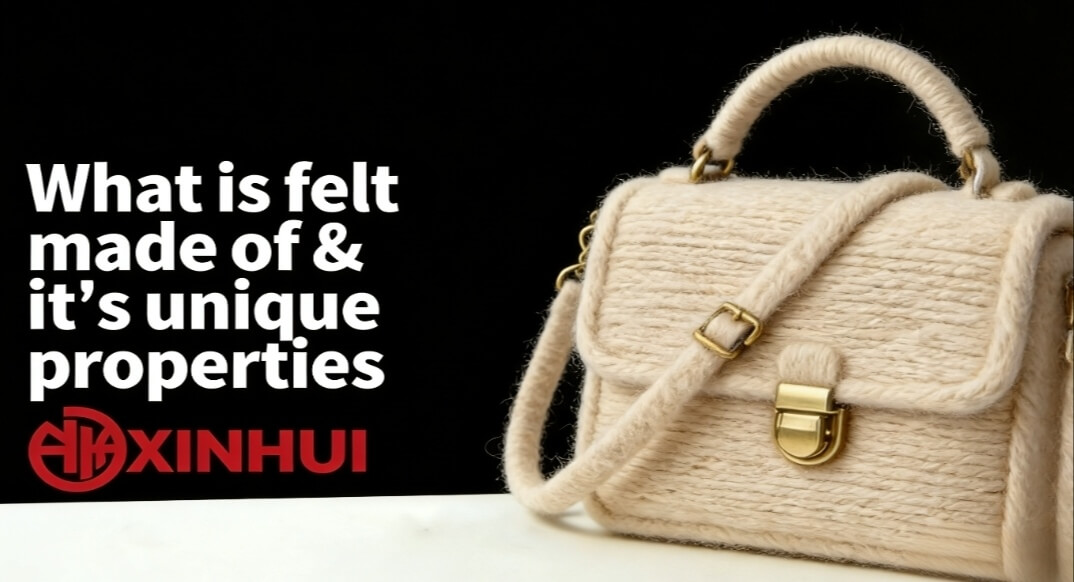
In the textile world, felt and fabric are often discussed together. But do you truly understand the differences and connections between them? As an ancient felt material, felt has captured the imagination of countless designers with its unique texture. When we ask, "What is felt made of?" the answer often reveals its eco-friendly origins. In this article, we’ll explore the advantages and disadvantages of fabric felt and dive into cutting-edge innovations that show how felt is transforming into a green star in the era of smart technology.
Felt and Fabric: What’s the Difference?
What is felt? Felt is a non-woven material created by entangling fibers (like wool or synthetic fibers) through heat, moisture, and pressure. Unlike traditional fabrics, it doesn’t require spinning or weaving, making felt material softer and less likely to fray.
But are felt and fabric the same thing? Not at all! Fabric refers to woven or knitted materials, which have a regular structure. Felt, however, relies on fibers bonding directly, giving it more flexibility. This difference sets fabric felt apart in both craft and industrial applications.
What is Felt Made of?
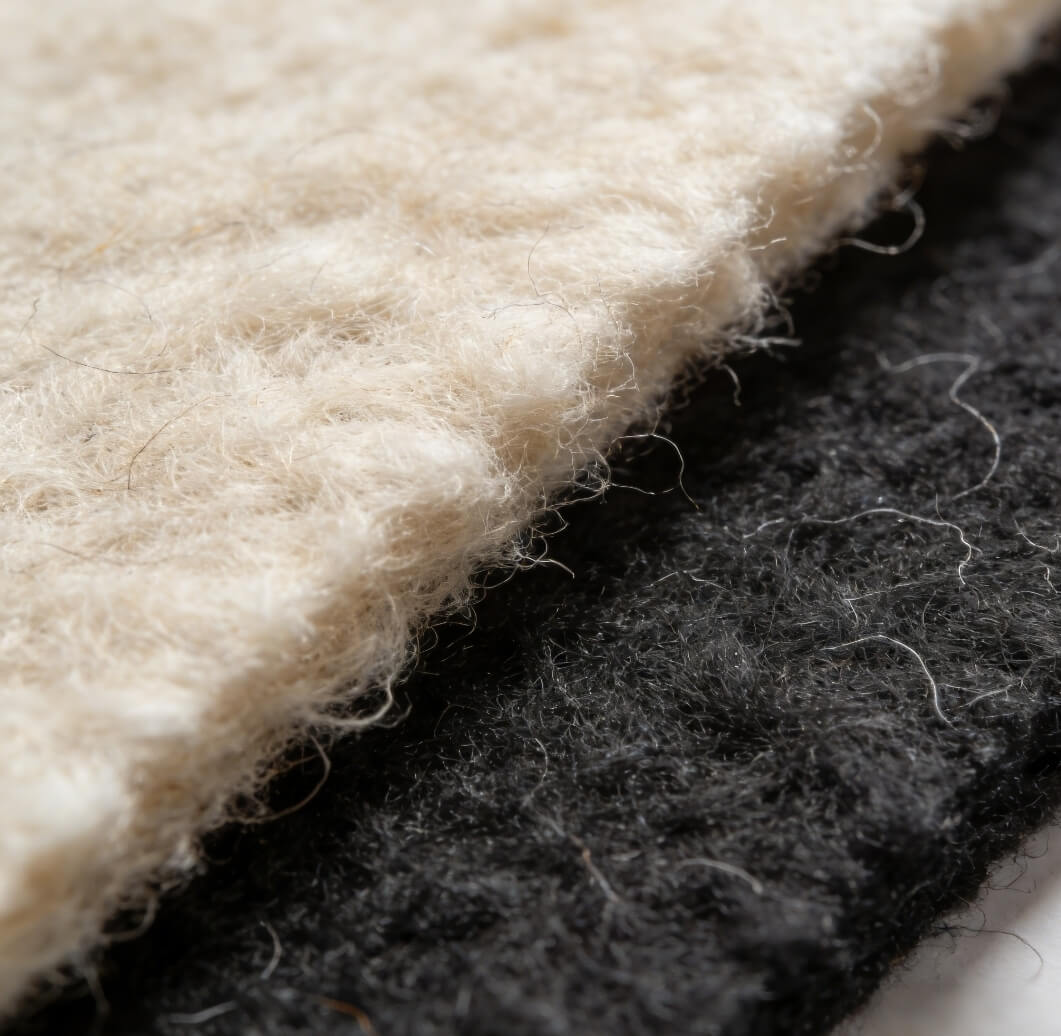
What is felt made of? Felt can be made from natural fibers like wool, which is biodegradable and eco-friendly, or from synthetic fibers like acrylic, which is cheaper. The material you choose affects the final properties of the felt. Felt material is known for being durable and soundproof but can also have drawbacks like fuzzing and difficulty in cleaning. Thankfully, innovations are addressing these issues.
Sustainable Felt: The Future of Felt Material
The Eco-Friendly Revolution of Felt
Traditional felt has a carbon footprint 62% lower than synthetic materials, but the next generation of sustainable felt goes even further. Biodegradable felt made from organic cotton and plant-based dyes tackles the "fuzzing" issue—just a simple beeswax treatment can boost durability. Additionally, antimicrobial silver ion treatments make it machine-washable while reducing water pollution. This felt material is now part of a circular economy rather than just a disposable product.
Smart Felt in the Digital Age
The marriage of felt and technology has led to the development of 3D-printed custom templates. Users can create patterns through AI and directly print fabric felt products, offering more personalized options than ever before. What’s even more exciting is the use of AR technology—by scanning felt creations with your phone, you can view the production process virtually. This brings felt and fabric to life in interactive, educational ways.

The Revival of Felt: Cultural and Aesthetic Crossovers
Felt is not just a material; it's also a cultural symbol. The Japanese “Wabi-Sabi” aesthetic embraces imperfection, using felt to create minimalist, zen-inspired home décor. In Spain, traditional cloak-making techniques have been merged with modern design, giving felt and fabric a second life in fashion. These examples show how felt is both an aesthetic and a cultural expression.
Health Benefits of Felt: Safe and Comfortable
For those with sensitive skin, hypoallergenic felt is produced without harsh chemicals to reduce allergic reactions. In the sportswear industry, antimicrobial felt—such as silver-ion treated versions—helps prevent bacterial growth, addressing concerns like poor breathability. The demand for healthy felt material surged by 185% in 2023, showing a growing market.
Innovative Felt Types for Various Applications
Today, felt is available in more than 12 specialized variants, making it useful for a wide range of applications from consumer products to high-tech industries:
|
Type
|
Core Application
|
Industrial Value
|
|---|---|---|
|
Carbonized Felt
|
Aerospace insulation
|
40% weight reduction, temperature resistance up to 800°C (used in Boeing 787)
|
|
Spunbond Felt
|
Medical mask filters
|
30% better breathability, 99.5% filtration efficiency (WHO certified)
|
|
Resin-impregnated Felt
|
Automotive soundproofing
|
Noise reduction of 25dB, 35% cheaper than metal
|
|
Biodegradable Felt
|
Eco-friendly bags/pet mats
|
Fully decomposes within 6 months (compared to synthetic felt, which takes 200 years)
|
|
Needle-punched Felt
|
Bookbinding and stationery
|
50% better abrasion resistance, used in premium creative products
|
The importance? While older articles might only focus on “synthetic felt,” carbonized felt is already a standard in aerospace, such as in SpaceX's rocket insulation.
Addressing Felt Fabric’s Disadvantages: Solutions
What are the disadvantages of felt fabric? Common issues include fuzzing and flammability. However, recent innovations have provided solutions:
-
Disadvantage 1: Fuzzing → Solution: Use high-density needle-punched felt or strengthen edges using water needling.
-
Disadvantage 2: Cleaning challenges → Solution: Hand wash with cold air drying or choose pre-shrunk felt.
-
Disadvantage 3: Flammability → Solution: Wool felt is naturally flame-resistant, and synthetic felt can be treated with flame retardants.
What kind of material is felt? It's a blend of traditional craftsmanship and cutting-edge technology. With sustainable practices and digital tools, felt material is no longer a niche material but a mainstream one.
Embracing the Future of Felt
Felt is no longer limited to handcrafts or industrial use—it’s now an eco-friendly symbol, a technological medium, and a cultural icon. Whether you're using felt material for home décor, fashion, or tech projects, know that innovation has redefined its value. Try a sustainable felt product today and experience the combination of smart and green!
Say Goodbye to Clutter and Waste with Smart Lists and Handy Grocery Bags
Why Choosing Reusable Bags Can Revolutionize Your Shopping Habits
Related Article

Sport bag buyers should check shoe space, lining, ventilation, and load balance. Learn what to inspect before ordering or customizing yours.
Why a sport bag Can Fail When the Shoe Compartment Fills

Quality inspection helps buyers keep repeat canvas tote orders consistent. Learn four checkpoints and practical standards to reduce quality disputes.
Why Repeat Orders Fail Without quality inspection

